

Benefits of Eating Popcorn Daily: What the Evidence Says
Eating popcorn every day can be a good habit, as long as it is plain or lightly flavoured and kept to about 25 to 30 g, which is roughly three cups popped. At that size you get a whole grain, a useful amount of fibre and very few calories. What turns it into a heavy snack is the butter, the salt and the tub size, not the corn. Here is what a daily bowl gives you, what to watch, and how we think about it at PopCornaa.
TL;DR
- Popcorn is a 100% whole grain. A three-cup serving of air-popped popcorn gives roughly 100 calories and a meaningful share of daily fibre, per USDA research.
- The fibre supports digestion and keeps you fuller for longer. In a 2012 trial, six cups of popcorn were more filling than a cup of crisps.
- A sensible daily portion is about 25 to 30 g, or up to three cups popped. More than that can cause bloating and cramps.
- Preparation matters more than the corn. Go light on salt, butter and sugary coatings.
- Popcorn is not a choice for very young children, because it is a choking hazard.
What is in a bowl of plain popcorn?
Popcorn is a kernel of whole-grain corn that puffs up when heated. Because nothing is removed from the kernel, you eat the bran, germ and starchy part together, which is why it counts as a whole grain.
The numbers differ a little between sources because cup sizes and moisture vary. They all point the same way.
| Source | Serving of air-popped popcorn | Calories | Fibre |
|---|---|---|---|
| Verywell Fit | 3 cups (24 g) | 93 | 3.6 g |
| TODAY.com dietitians | about 3 cups | about 100 | 3 to 4 g |
| Healthline | 28.35 g (1 oz) | 110 | 4.11 g |
| Cleveland Clinic | 2 cups | 62 | 2.3 g |
The 24 g serving also contains about 18.6 g of carbohydrate, 3 g of protein, 1.1 g of fat, 0.2 g of sugars and 34.5 mg of magnesium, according to the same Verywell Fit analysis. Healthline adds small amounts of iron, phosphorus and zinc for a 28 g serving.
The American Popcorn Association gives popcorn a glycemic index of 55. That is a measure of how quickly a food raises blood sugar, and 55 sits at the low end of the scale.
The short version: about three cups is a high-volume, low-calorie, fibre-rich snack. That is the reason it keeps coming up in healthy snacking advice.
The benefits of a daily bowl
A whole grain you can snack on
USDA researchers describe popcorn as a 100% whole grain. They say one three-cup serving provides about a third of the whole grains most American adults and adolescents need, and about 15% of daily fibre needs. Most of us fall short on both, and a snack is an easy place to close the gap.
Fibre for digestion and fullness
Cleveland Clinic notes that popcorn fibre supports gut health, fullness and weight management. Fibre is the part of plant food your body does not break down. It feeds the bacteria in your gut and slows digestion, so you feel satisfied sooner.
The fullness effect has been measured. In a 2012 crossover study of 35 adults, six cups of popcorn (100 kcal) were more satiating than one cup of potato crisps (150 kcal). Energy eaten at the next meal was significantly higher after the crisps, at 803 kcal against 698 to 739 kcal after popcorn.

Health Canada’s nutrient table shows the same gap on the label. A small 43 g bag of plain crisps has 230 kcal and 15 g of fat. A much larger bowl of air-popped popcorn has a fraction of that.
Steadier blood sugar
A 2026 narrative review of corn products in PMC reports that dry-milled corn products including popcorn show low glycemic indexes and low glycemic loads. Cleveland Clinic adds that whole-grain fibre helps stabilise blood sugar. If you are managing diabetes, speak to your GP or dietitian about how a snack fits your plan.
Antioxidants and the wider whole-grain picture
Cleveland Clinic points out that popcorn contains more antioxidants ounce for ounce than fruit and vegetables, including a compound called ferulic acid. It also says whole grains may be linked with a lower risk of some cancers and that high-fibre diets are associated with lower blood pressure. The ferulic acid findings are early-stage research, so treat them as a pleasant extra on top of the fibre and whole-grain case, not a reason to eat more.
Gentle on a diverticulosis diet
For years people with diverticular disease were told to avoid popcorn. A long follow-up study of health professionals found the opposite: those who ate it at least twice a week had a 28% lower risk of diverticulitis than those who ate it less than once a month. The authors stress it is an association, not proof of cause, but concluded that people had been restricted unnecessarily. Check with your own doctor if you have a diagnosed condition.
Plant-based and gluten-free
Plain popcorn is naturally gluten-free, and BBC Good Food notes it suits people with coeliac disease as long as you check the label for cross-contamination. For vegan and dairy-free eaters it is an easy base, as long as the butter stays out of the bowl.
What about popcorn for skin or weight loss?
No source we found shows popcorn changing your skin directly. The honest link is indirect: antioxidants and whole grains are part of a varied diet that supports general health.
For weight, the evidence is about volume and fullness. Three cups of popcorn have around 100 calories, so a bowl feels generous and fills you up. That makes it a handy swap for higher-calorie snacks. It is not a weight-loss food on its own, but it can help you stay satisfied between meals.
How much is right for every day?
BBC Good Food puts a healthy portion at about 25 to 30 g. Verywell Health says popcorn can be eaten daily in moderation and suggests keeping to no more than three cups, because a lot of fibre in one go can cause bloating, constipation and cramps.
A simple routine that works:
- Measure one portion of 25 to 30 g into a bowl rather than eating from the bag.
- Drink water with it. Fibre works best with fluids.
- If you are not used to much fibre, build up slowly over a week or two.
- Pair it with fruit, nuts or a yoghurt alternative if you want a more complete snack.
We have written about the same idea in our 25 to 30 g portions guide and our healthy snacking checklist, which suggests one to two snacks a day.
How you make it matters more than the corn
The gap between a healthy bowl and a heavy one is entirely in the preparation. Mayo Clinic compares three cups of air-popped popcorn at 90 calories with under 1 g of fat with three cups of theatre-style popcorn at 185 calories and 10 g of saturated fat. One tablespoon of buttery topping adds about 2 g of saturated fat.
The American Heart Association reports that a large cinema tub can hold up to 1,090 calories and 2,650 mg of sodium. That is the sodium of well over a day’s sensible salt allowance in one sitting.
So for daily eating:
- Air-pop it where you can. TODAY.com dietitians call air-popping the healthiest method, followed by stovetop popping.
- If you use oil, keep it to a light drizzle of olive oil, which the same dietitians prefer to butter. Choosing seasoning oils for home cooking with some care also helps you keep the flavour without overdoing the amount.
- Keep salt to a dash. Spices, nutritional yeast, smoked paprika or a little seaweed give flavour without the sodium.
- Check the label on bagged popcorn for saturated fat, sodium and added sugar per portion.
Our own guides to the healthiest way to make popcorn and what air-popped popcorn is go through the method step by step.
Who should take extra care
- Young children. The US Dietary Guidelines note that popcorn is a choking hazard for young children. If you are planning first foods, this guide to finger foods by age sets out safer options. For lunch boxes, wait until a child is old enough to chew whole kernels and light puffs confidently, and always sit them down to eat.
- Anyone with a sensitive gut. If large amounts of fibre bring on cramps, drop to a smaller portion and build up.
- People watching their salt or cholesterol. Choose unsalted or lightly seasoned popcorn and skip the butter. Sodium is a leading risk factor for high blood pressure and stroke, as the American Heart Association’s expert points out.
- People with allergies. Read the label and the allergen statement every time.
Popcorn or crisps?
Per portion, popcorn wins on calories, fat and fibre. The Health Canada table and the satiety study above both show it. A standard bag of crisps is a small, dense, salty snack, while popcorn gives you volume. If you want crunch every day, popcorn is the easier habit to keep.
Our view: why we care about the daily bowl
As a parent and a food entrepreneur, I started PopCornaa because I wanted a snack I could hand over without a knot in my stomach. Popcorn is a whole grain with gut-friendly fibre, and it is naturally light. That is a good place to start.
What stopped me in my tracks was how much of the popcorn on shop shelves is built on sugar, butter or heavy flavouring. A healthy grain ends up as a sweet or salty treat you cannot eat every day.
Our approach is to keep the base simple. Every PopCornaa product is vegan, made with clean natural ingredients, and our facility is free of major allergens. That matters to the families, plant-based eaters and office snackers we make it for. Then we put the interest in the flavour, with Asian-inspired and British combinations, so a small portion feels like a proper snack rather than a compromise.
My advice is the same as the dietitians’: measure your portion, enjoy it slowly and let the flavour do the work, not the salt shaker. A daily handful of something you actually look forward to is the kind of habit that lasts.
Emily
Try a flavourful, portion-friendly start
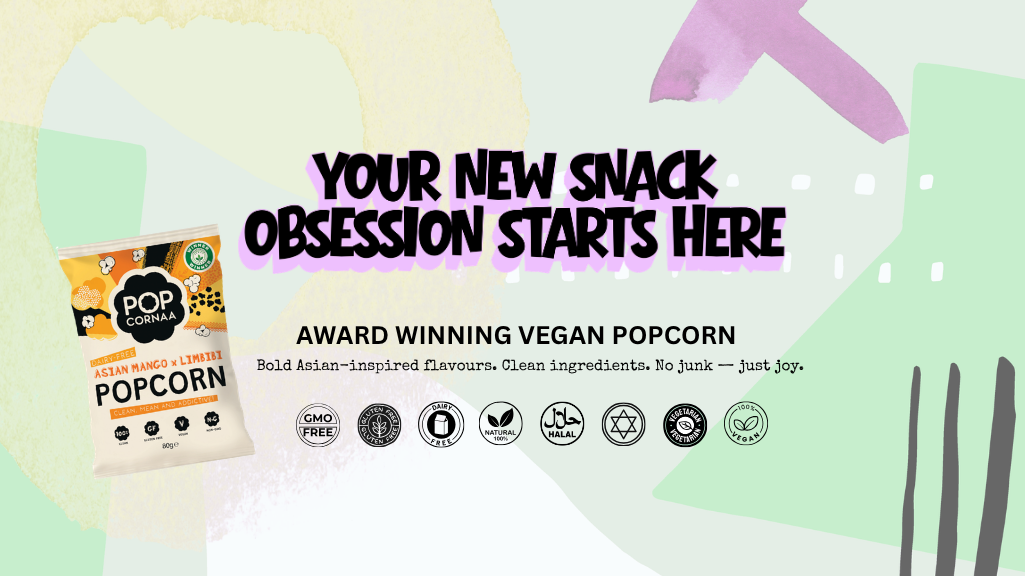
If you want to build a daily popcorn habit without making every flavour yourself, the Newbie Asian Fusion Taster Box holds five bags of our vegan popcorn for £17.99. It is an easy way to find which flavours you like. If you already know your tastes, the Custom Popcorn Box lets you build your own mix.
[ ](https://www.popcornaa.com › pages › asian-fusion-taster-box)
For bigger households or gifting, the Asian Sweet Bliss Box is £25.95 and the Ultimate Asian Sampler Box is £32.95, and our digital gift cards start from £10. Offices and shops can ask about bags and bulk sharing sizes on our wholesale page.
FAQ
Is it OK to eat popcorn every day?
Yes, in moderation. Dietitians quoted by Verywell Health say a daily portion is fine if it is air-popped or lightly cooked, and not too salty or buttery. Keep to about 25 to 30 g, or up to three cups, and drink water alongside it.
Is air-popped popcorn better for you than the cinema kind?
Yes. Air-popped popcorn has roughly 90 to 100 calories and under 1 to 1.5 g of fat per three cups. A cinema portion can hold several times the calories and a large amount of saturated fat and sodium, according to Mayo Clinic and the American Heart Association.
Is popcorn good for people with diabetes?
Popcorn has a low glycemic index and fibre that helps steady blood sugar, so many people include it in their diet. Portion size and toppings still count towards carbohydrates, so ask your GP or dietitian how much suits you.
Is popcorn better than crisps?
For most people, yes. Gram for gram it has less fat and more fibre, and in a 2012 study people felt fuller after popcorn and ate fewer calories at the next meal.
Sources
- Popcorn: A Healthy, Whole Grain Snack, USDA ARS
- Popcorn Calories, Nutrition Facts, Health Benefits, Verywell Fit
- Is Popcorn Healthy? Benefits and Healthiest Preparations, TODAY.com
- Popcorn Nutrition Facts, Healthline
- Is Popcorn a Healthy Snack Choice? Cleveland Clinic
- Nutrition, American Popcorn Association
- Popcorn is more satiating than potato chips, Nutrition Journal via PMC
- Nutrient Value of Some Common Foods, Health Canada
- Dry-Milled Corn and Corn Products and Health, PMC
- Let them eat nuts: this snack is safe for diverticulosis, PMC
- Is popcorn healthy? BBC Good Food
- Is Microwave Popcorn Bad For You? Verywell Health
- What’s up with popcorn? Mayo Clinic News Network
- Popcorn as a snack, American Heart Association
- Food sources of fibre, Dietary Guidelines for Americans 2020 to 2025
- Seasoning oils for home cooking, Wild Foodz
- Finger foods for babies by age, Baby Bare Essentials