

Defining plant-based snacks: what they really mean
TL;DR:
- Plant-based snacks include foods made mainly from plants but are not necessarily healthy or fully vegan. The UK lacks a strict legal definition for “plant-based,” making labels potentially misleading, especially without certification. Choosing whole foods and verified vegan products ensures better nutritional quality and ethical compliance.
A plant-based snack is any snack made predominantly from plants, including fruits, nuts, seeds, grains, and legumes, but defining plant-based snacks accurately requires more than a simple ingredient check. The term “plant-based” carries no strict legal definition in the UK, which means it can appear on everything from a bag of whole almonds to a heavily processed crisp loaded with refined sugar and palm oil. The UK’s Nutrient Profiling Model (NPM 2018) provides the closest thing to an objective standard, scoring snacks on energy, saturated fat, free sugars, and salt against fibre, protein, and fruit or vegetable content. Understanding that framework changes how you shop, snack, and read a label.
What are plant-based snacks, and how do they differ from vegan snacks?
Plant-based snacks and vegan snacks are not the same thing, even though the two terms are used interchangeably on most supermarket shelves. “Plant-based” originated as a scientific diet term but has since evolved into a broad marketing label that covers both whole-food options and highly processed products that simply contain no obvious animal ingredients. “Vegan,” by contrast, is an ethical standard.
Vegan labelling implies the total absence of animal-derived ingredients, including hidden ones such as casein, lactose, and certain E-numbers derived from insects or dairy. The Vegan Society’s Vegan Trademark, for example, requires proof of complete ingredient absence and rigorous supply chain audits before a product can carry the logo. That level of scrutiny does not apply to a “plant-based” claim.
Consumer trust reflects this gap clearly. 69% of consumers trust “vegan” labelling to mean no animal products, whereas only 32% trust “plant-based” labelling with the same confidence. That is a significant difference in expectation, and it matters when you are making choices based on ethics, health, or allergen avoidance.
The distinction also matters for cross-contamination. “Plant-based” products may lack formal certification and may be manufactured on shared equipment with animal products. For someone with a dairy allergy or a strict ethical stance, that is not a minor detail.
Key differences to keep in mind:
- “Vegan” labelling is often third-party certified and covers the full supply chain.
- “Plant-based” is a self-declared marketing term with no mandatory verification.
- Industry experts note that combining both labels on packaging helps clarify intent and boosts consumer confidence.
- Cross-contamination risks are higher with plant-based claims than with certified vegan products.
- Flexitarians reducing meat consumption are the primary audience for “plant-based” marketing, not strict vegans.
Pro Tip: If you follow a strict vegan diet or have allergen concerns, look for the Vegan Society Vegan Trademark rather than relying on “plant-based” alone.
How does the UK classify plant-based snacks as healthy or less healthy?
The UK Nutrient Profiling Model (NPM 2018) is the government’s tool for separating genuinely nutritious foods from discretionary ones. It scores every food per 100g, not per portion, which is a detail that catches many people off guard. A snack can look reasonable in a small serving but still score high on negative nutrients when measured at 100g.
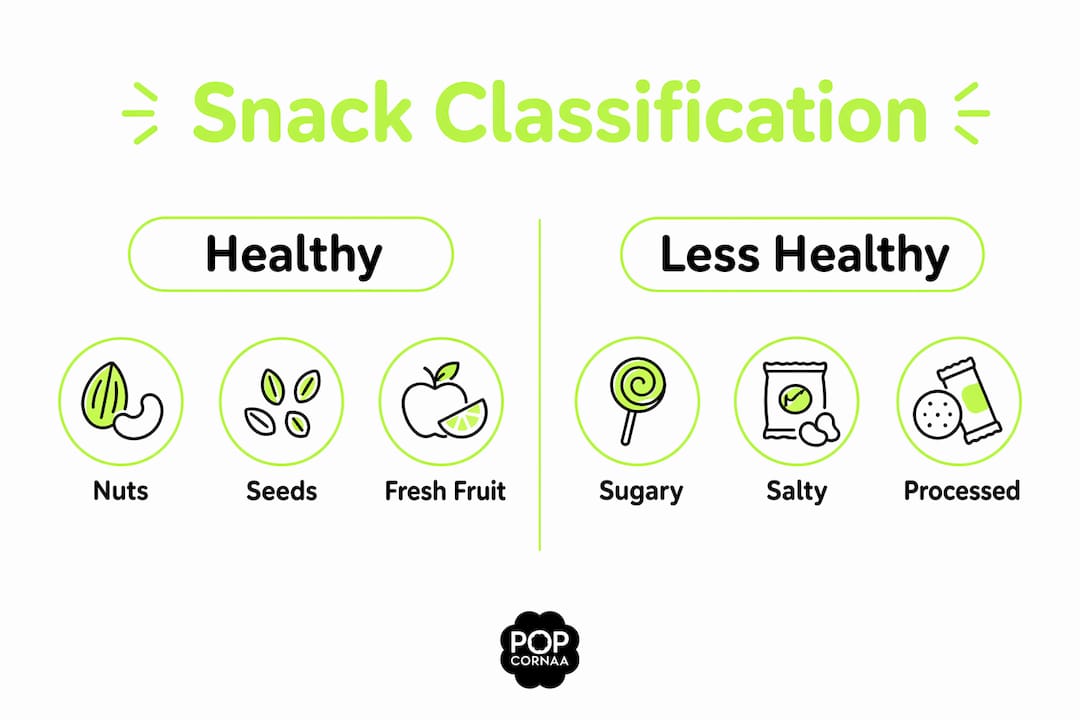
The model works on a points system. Negative “A” points accumulate for energy, saturated fat, free sugars, and salt. Positive “C” points offset those for fibre, protein, and fruit, vegetable, nut, or seed content. A food scoring 4 or more points overall is classified as “less healthy” under the model. Fibre can earn up to 10 points, protein up to 5, and fruit or vegetable content up to 5, giving genuinely whole-food snacks a real advantage.
Food Standards Scotland defines discretionary foods as those high in fat, sugar, or salt and low in nutritional value, regardless of whether they are vegan or plant-based. Crisps, sweet biscuits, cakes, pastries, and sugary soft drinks all fall into this category. A plant-based crisp is still a discretionary food if the numbers say so.
| Snack type | Likely NPM outcome | Why |
|---|---|---|
| Plain mixed nuts | Likely healthy | High protein, fibre, and nut content offset fat |
| Whole fruit | Healthy | High fruit content, natural sugars, fibre |
| Plant-based chocolate bar | Often less healthy | High free sugars and saturated fat score |
| Flavoured rice cakes | Variable | Depends on salt and added sugar levels |
| Roasted chickpeas (plain) | Likely healthy | High protein and fibre, low saturated fat |
Pro Tip: Check the per 100g figures on the nutrition label, not just the per-portion column. The NPM 2018 scores per 100g, so that is the number that counts.
Common misconceptions about plant-based snacks
The biggest misconception is that “plant-based” equals “healthy.” It does not. “Plant-based” as a health claim is a marketing evolution, not a nutritional guarantee. A coconut oil-based crisp, a palm sugar-sweetened biscuit, and a heavily salted rice snack can all carry the label truthfully.
Several other misunderstandings cause real confusion:
- Gluten-free does not mean vegan, plant-based, or low in sugar. Many gluten-free snacks use egg or dairy as binding agents.
- “No artificial additives” does not mean low in fat or sugar. Natural sweeteners like agave or date syrup still contribute free sugars.
- High processing is common in plant-based snack ranges. Emulsifiers, flavour enhancers, and refined starches appear regularly in products marketed as clean or natural.
- The absence of meat or dairy does not make a snack allergen-safe. Tree nuts, sesame, and soya are common plant-based allergens.
- Portion size claims can mislead. A “per bag” calorie count may reflect a serving far smaller than what most people actually eat.
Reading the ingredient list critically is the most reliable defence. Ingredients are listed in descending order by weight, so if refined sugar or palm oil appears in the first three items, the product is built around those ingredients regardless of its plant-based claim. Checking the vegan snack selection guide from Popcornaa offers a practical framework for applying this kind of critical reading to everyday choices.
How to choose genuinely healthy plant-based snacks
The NHS recommends that healthy vegan and plant-based snacks contribute fibre, protein, and iron through whole-food sources rather than processed alternatives. Nuts, seeds, beans, and fresh fruit are the benchmark. That guidance is simple, but applying it in practice takes a little more thought.
- Prioritise whole foods first. A handful of walnuts, a piece of fruit, or a small pot of hummus with vegetable sticks delivers fibre and protein without the additives common in packaged snacks.
- Check the NPM-relevant nutrients. Look at saturated fat, free sugars, and salt per 100g. If any of these are high, the snack is likely a discretionary choice regardless of its plant-based label.
- Look for recognised certification. The Vegan Society Vegan Trademark confirms ingredient integrity and supply chain controls. For sustainable snack brands in the UK, this certification is increasingly common and worth seeking out.
- Experiment with homemade options. Roasted chickpeas seasoned with smoked paprika, energy balls made from oats and dates, or air-popped corn with nutritional yeast are easy plant-based snacks that cost little and contain no hidden ingredients.
- Use curated selections as a shortcut. When you want convenience without the label-reading effort, a curated range from a verified vegan brand removes much of the guesswork. Popcornaa’s plant-based snack ideas guide offers practical inspiration for different occasions, from desk snacking to sharing at gatherings.
- Balance variety with consistency. Rotating between nuts, seeds, pulses, and whole grains across the week covers a broader range of micronutrients than relying on one favourite snack repeatedly.
The goal is not perfection. A plant-based snack that you genuinely enjoy and that scores well on the NPM is far more useful to your diet than a nutritionally ideal option you never actually eat.
Key takeaways
Plant-based snacks are defined by their plant-derived ingredients, but the label alone does not confirm nutritional quality or full vegan integrity.
| Point | Details |
|---|---|
| “Plant-based” is not regulated | The term carries no legal definition in the UK, unlike certified vegan labelling. |
| NPM 2018 is the health benchmark | Snacks scoring 4+ points under the model are classified as less healthy, regardless of plant origin. |
| Consumer trust differs by label | 69% trust “vegan” labelling; only 32% trust “plant-based” with the same confidence. |
| Cross-contamination is a real risk | Plant-based products may be made on shared equipment with animal products without disclosure. |
| Whole foods outperform processed options | Nuts, seeds, pulses, and fresh fruit deliver fibre and protein without the additives found in packaged plant-based snacks. |
Why I think “plant-based” has become a problem worth talking about
I have spent years thinking about what goes into snacks, partly as a food entrepreneur and partly as a parent who reads every label twice. What strikes me most about the “plant-based” label is how effectively it has borrowed the credibility of genuinely healthy eating without always earning it.
The term started in nutrition science, where it described diets built around whole plants. Somewhere along the way, it became a shorthand for “better for you,” and that shift has caused real confusion. I have seen products with more refined sugar than a standard biscuit carrying “plant-based” prominently on the front of pack. The ingredients tell a different story to the marketing.
What I find hopeful is that consumers are getting sharper. The gap between trust in “vegan” and “plant-based” labelling shows that people are starting to ask harder questions. Seeking out transparent nutritional profiles and recognised certifications is not pedantic. It is the most practical thing you can do when the label itself cannot be taken at face value.
My honest advice: treat “plant-based” as a starting point for investigation, not a conclusion. Read the back of the pack. Look for the Vegan Trademark if ethics matter to you. And when in doubt, a handful of nuts or a piece of fruit will never mislead you.
— Emily
Popcornaa’s verified vegan snacks: a reliable place to start
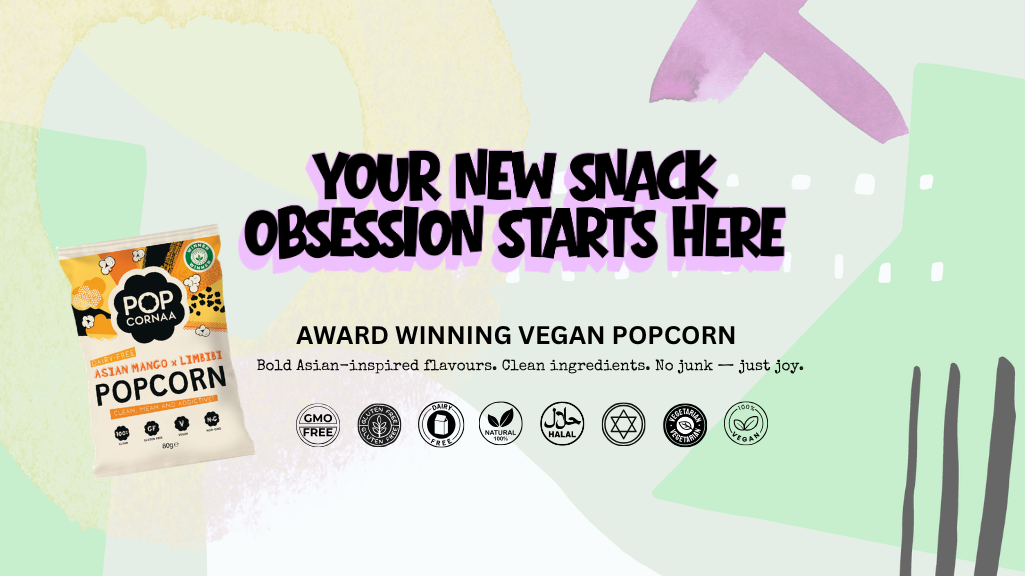
If you want a plant-based snack you can trust without spending ten minutes decoding a nutrition label, Popcornaa offers a curated range of certified vegan popcorn made to genuine quality standards.
[ ](https://www.popcornaa.com › pages › asian-fusion-taster-box)
The Newbie Asian Fusion Taster Box is a five-bag selection of gourmet vegan popcorn, bringing together Asian-inspired and British flavours in one accessible starting point. Every product in the range is verified vegan-friendly, so the label reflects what is actually inside. For anyone building a more mindful snacking habit, it is a straightforward way to enjoy something genuinely tasty without the label anxiety.
FAQ
What is the definition of a plant-based snack?
A plant-based snack is any snack made predominantly from plant-derived ingredients such as fruits, nuts, seeds, grains, and legumes. The term has no strict legal definition in the UK, so it covers both whole-food options and heavily processed products.
Are plant-based snacks always vegan?
No. “Plant-based” is a broad marketing term, while “vegan” is a stricter ethical standard often backed by third-party certification. A plant-based snack may still be produced on shared equipment with animal products, posing cross-contamination risks.
How does the UK decide if a plant-based snack is healthy?
The UK Nutrient Profiling Model (NPM 2018) scores snacks per 100g on energy, saturated fat, free sugars, and salt, offset by fibre, protein, and fruit or vegetable content. A score of 4 or more classifies a food as less healthy, regardless of whether it is plant-based.
What are the best easy plant-based snacks to choose?
The NHS recommends whole-food sources such as nuts, seeds, beans, and fresh fruit as the most nutritious plant-based snack options. These deliver fibre, protein, and iron without the additives common in packaged plant-based products.
Why do consumers trust “vegan” labelling more than “plant-based”?
69% of consumers trust “vegan” labelling to mean no animal products, compared to only 32% for “plant-based.” Vegan certification involves supply chain audits and ingredient verification that most plant-based claims do not require.