

One to Two Snacks a Day: Healthy Snacking Checklist with Popcorn Tip
A healthy snacking checklist comes down to five rules: prefer whole foods over packaged ones, keep to one or two small snacks a day, leave roughly two hours between eating occasions, and aim for a moderate calorie amount per portion appropriate for healthy snacking. Everything below unpacks that checklist into real examples, portion cues and shopping tips, with guidance drawn from UCLH, the British Heart Foundation and PopCornaa’s own approach to portioned, plant-based snacking.
TL;DR:
- Limiting snacks to one or two small portions of under 150 kcal daily helps prevent overeating and maintains a balanced calorie intake.
- Choosing whole foods like fruit, vegetables, and plain nuts before packaged snacks significantly reduces intake of excess sugar, salt, and unhealthy fats.
- Pre-portion snacks and prepare options ahead of time to avoid impulsive, less healthy choices driven by cravings or boredom.
- Favor snacks with a traffic-light rating of green or amber, and read labels carefully to avoid products high in sugar and saturated fats.
- Popcorn, especially air-popped and lightly seasoned, offers a filling wholegrain option that supports snack variety without extra calories or unhealthy additives.
The quick healthy snacking checklist you can use today
Print this out, stick it on the fridge, and you have covered most of what matters.
- Limit yourself to a small number of snacks per day to avoid grazing rather than deliberate eating.
- Leave a sufficient gap between eating occasions, whether meals or snacks, so your appetite can reset.
- Keep snack portions moderate in calories, especially for packaged items, adjusting lower if weight management is desired.
- Reach for whole foods first – fruit, vegetables, plain nuts – before anything that comes in a wrapper.
- Check the traffic lights on packaged snacks and favour green or amber over red.
- Pre-portion before you’re hungry, not after, because decisions made mid-craving rarely favour the healthier option.
According to UCLH’s snacking guidance, one to two small snacks a day with at least two hours between eating occasions is the benchmark worth working towards. The British Heart Foundation puts a number on portion size too: under 150 kcal for a manufactured snack, with 100 kcal a common target if you’re watching your weight.
Healthy snack categories and specific ideas
A good healthy snack checklist needs variety, not just rules. Here’s what falls into “genuinely good” territory across the main food groups.
Fruit and vegetables
- An apple, a pear or a small bunch of grapes on their own need no dressing up.
- Carrot batons, cucumber sticks or cherry tomatoes with a tablespoon of hummus make a satisfying, low-calorie combination.
- Frozen berries eaten half-thawed work as a sweet fix that costs almost nothing calorie-wise.
Protein-rich options
- A small pot of natural or Greek yoghurt (roughly 100g) with a few berries stirred in.
- Two boiled eggs, which travel well and keep you fuller for longer than most carbohydrate snacks.
- A rice cake topped with cottage cheese or nut butter.
Nuts, seeds and legumes
- A small handful (about 30g) of unsalted almonds, walnuts or mixed seeds. Anyone with a nut allergy should stick to seeds like pumpkin or sunflower instead.
- Roasted chickpeas, seasoned simply with paprika or cumin rather than a heavy coating.
- Edamame beans, warmed and lightly salted, for a quick protein and fibre hit.
Wholegrain snacks and popcorn
- Oatcakes with a thin spread of nut butter.
- A small wholemeal pitta with a few strips of pepper.
- Air-popped popcorn is a wholegrain, high-volume snack that fills a bowl for very few calories, though this only holds true for plain or lightly seasoned versions rather than heavily flavoured ones.
Plant-based alternatives
- Dairy-free yoghurt with fresh fruit.
- Vegetable pots with a bean-based dip instead of a cream cheese one.
Young children and anyone with swallowing difficulties should avoid whole nuts and firm raw vegetables, sticking to nut butters or softer, cooked alternatives instead.
How much and when to snack for the best results
Timing matters as much as what’s on the plate. UCLH’s guidance is specific here: aim for one to two small snacks a day and leave a gap of at least two hours between any eating occasion, snack or meal alike.
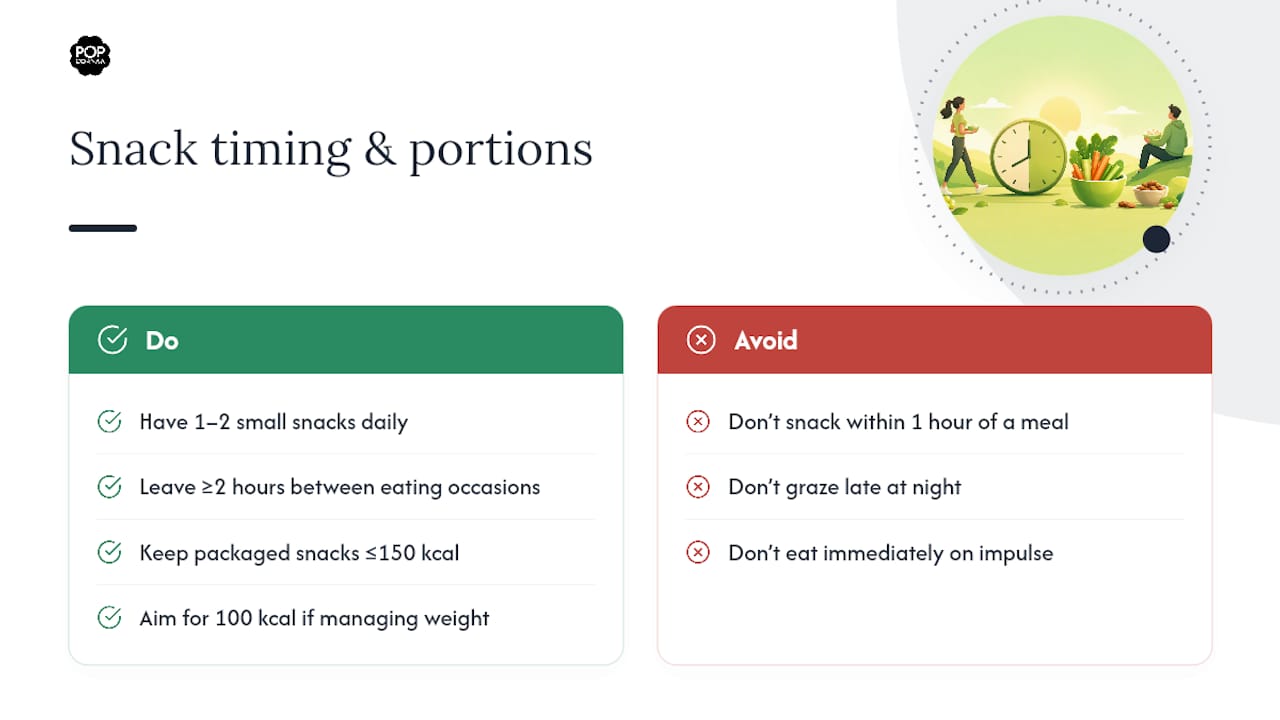
On portion size, treat 150 kcal as the outer limit for anything packaged, with 100 kcal as a sensible target if weight management is the goal. A useful visual cue: a portion of nuts should fit in a cupped palm, and a portion of fruit is usually one whole piece, not two.
Avoid snacking within an hour of a main meal since it rarely reflects genuine hunger, and try not to graze late at night, when snacking is more habit than need.
Pro Tip: When a craving hits, wait ten minutes and do something else first. Many snack urges are boredom rather than hunger, and that short pause is often enough to tell the difference.
How to choose packaged snacks without getting fooled
Packaging is designed to sell, not to inform, so the label is where the real answer lives. The UK government’s traffic-light system colour-codes fat, saturated fat, sugar and salt per 100g, and the rule is simple: favour green and amber, and treat red as an occasional choice rather than a daily one.
Before anything goes in your basket, run through this:
- Calories per portion, not per pack – multipack snacks often list both, and the pack figure can be misleading.
- Sugar per 100g – anything above 22.5g per 100g counts as high under the traffic-light system.
- Saturated fat and salt, both listed the same way, both worth a glance before sugar grabs all the attention.
- Ingredient order – ingredients are listed by weight, so if sugar, palm oil or syrup appears in the first three, it’s not a minor addition.
- Plain over flavoured – unsalted nuts and plain popcorn beat their heavily seasoned counterparts almost every time on both salt and sugar.
Some retailers use barcode scanning apps or in-store “better choice” badges, which can speed up decisions when you’re standing in the snack aisle with no time to compare five packets side by side.
Make-ahead and on-the-go snack planning
The single biggest predictor of bad snack choices is not having a good one ready. Batch prep solves that in under an hour a week.
- Roast a tray of chickpeas with your preferred spices and store them in an airtight jar for up to a week.
- Portion nuts and seeds into small pots or reusable bags so grabbing a handful from a big bag is never the default.
- Cut vegetables into sticks and pair with individual dip pots, stored in the fridge for two to three days.
- Make oat bars in batches and freeze half. They defrost within an hour, ready for a lunchbox or a desk drawer.
- Freeze small yoghurt bites on a tray, then transfer to a bag for a treat that holds its shape until it’s eaten.
For flavour inspiration beyond the obvious, PopCornaa’s plant-based snack ideas guide and its guilt-free popcorn flavouring ideas are worth a browse when the usual rotation gets dull. Travelling further afield, Wild Foodz’s guide to eating healthily on holiday has sensible tips for keeping snack choices sane away from home.
Common ‘healthy’ snack mistakes to avoid
Marketing language does a lot of heavy lifting on snack packaging, and it doesn’t always match what’s inside.
- Yoghurt-coated fruit and nuts often carry more added sugar than a chocolate bar of the same size, since the “yoghurt” coating is usually sugar and fat dressed up.
- Granola and cereal bars frequently pack syrup, palm oil and refined carbohydrate into something that looks wholesome on the front of the pack.
- “Vegan” or “free-from” snacks aren’t automatically better; some carry just as much saturated fat and sugar as the products they’re replacing, just without the animal ingredients.
The fix is straightforward: swap the coated fruit for fresh fruit, swap the granola bar for a homemade oat bar with less sugar, and read the back of the pack before trusting the front.
Why popcorn earns a genuine place on the checklist
Popcorn is a wholegrain, which puts it ahead of most packaged snacks before you even get to calories. Air-popped, it delivers a large, satisfying portion for relatively few calories, because the kernel expands so much in volume without much of that volume being calorie-dense. The catch is flavoured versions loaded with salt, sugar or heavy coatings, which erode that advantage fast. PopCornaa builds its taster ranges around portion-sized, plant-based flavours precisely so the wholegrain benefit doesn’t get buried under excess salt or sugar, giving readers a place to start when they want popcorn without the usual trade-offs.
Hydration and its relation to snacking habits
Thirst mimics hunger more often than most people realise, which means a fair share of “snack cravings” are actually the body asking for water. Dehydration can produce fatigue, light-headedness and a nagging appetite that feels like it wants food when a glass of water would have settled it.
A practical habit: drink a glass of water before reaching for a snack, then wait a few minutes. If the urge fades, that was thirst. If it doesn’t, you have a genuine snack window and can pick from the checklist above with a clear head.
Hydration also affects how satisfying a snack feels. Water-rich foods like cucumber, watermelon and citrus fruit contribute to both hydration and fullness at once, which is part of why fruit and vegetables outperform dry, processed snacks on the “satisfaction per calorie” measure. Tea and sparkling water with a slice of lemon can fill the same gap as a snack when what you actually want is something to sip rather than chew.
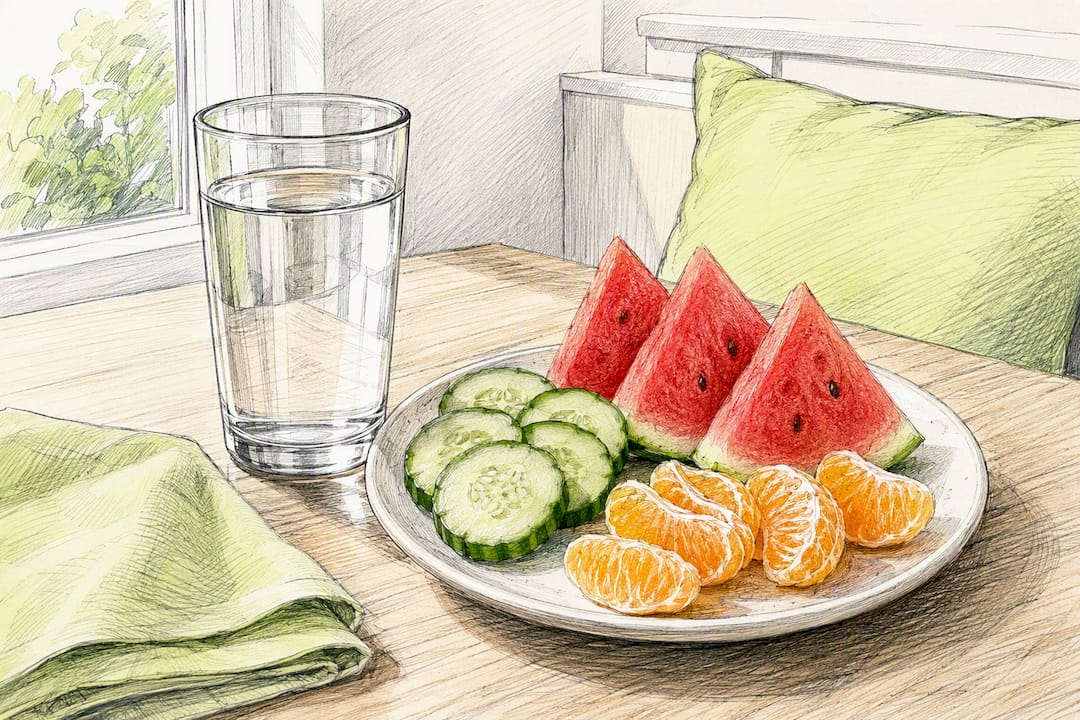
Pairing water with a snack rather than sugary drinks or juice also avoids stacking extra sugar on top of whatever you’ve just eaten, which matters more than most people give it credit for across a full day of small choices.
Realistic habits for sustainable snacking
The checklist works, but only if it fits real life. Keep a fruit bowl visible on the counter rather than tucked in a cupboard, pre-portion the nuts and crisps you actually enjoy, and allow one planned treat a week rather than banning anything outright. If a craving shows up out of boredom rather than hunger, swap the activity, not just the snack. Healthy snacking should feel varied and enjoyable, not like a diet you’re serving a sentence on. PopCornaa’s Asian-inspired vegan snack picks are worth a look when the usual rotation gets predictable.
— Emily
Try a portioned popcorn taster box for easier snacking
Popcorn checks most boxes on this list already: wholegrain, high volume, low calorie when it’s not drowned in salt or sugar. What’s harder is finding a version that’s already portioned properly and skips the heavy flavour coatings that undo the benefit.
[ ](https://www.popcornaa.com › pages › asian-fusion-taster-box)
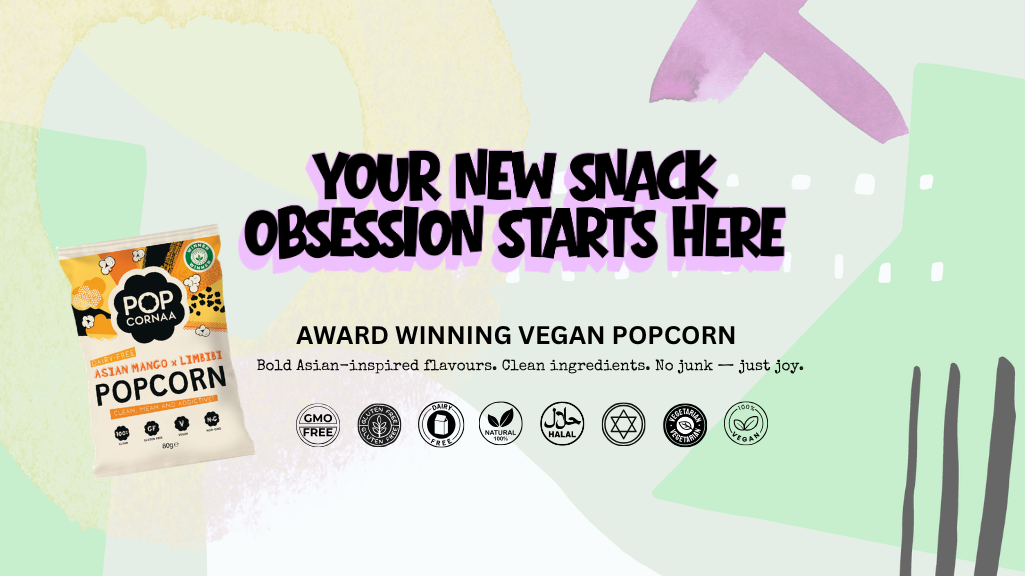
PopCornaa’s Newbie Asian Fusion Taster Box gives you five different plant-based flavours in individually sized bags, so portion control is built in rather than something you have to manage yourself with a scoop and a bit of willpower. It’s a practical way to test a few flavour directions before committing to a full-size bag of any one of them. If popcorn is going into your snack rotation, this taster box is a sensible place to start.
Sources
- Snacking : University College London Hospitals NHS Foundation Trust
- Healthy snacking for healthy teeth :: Lancashire and South Cumbria NHS Foundation Trust
- Gov
- Are these ‘healthy’ snacks as good as they seem? - Heart Matters - British Heart Foundation
FAQ
What is the healthiest thing to snack on?
Fresh fruit and vegetables top the list because they’re whole, low in calories and naturally filling, with plain air-popped popcorn and unsalted nuts close behind as wholegrain and protein-rich options.
What are the top five healthy snacks?
An apple with a few almonds, carrot sticks with hummus, a small pot of natural yoghurt with berries, plain air-popped popcorn, and a boiled egg all fit comfortably within the 100 to 150 kcal benchmark.
What are seven healthy snacks to rotate through the week?
Fruit, vegetable sticks with dip, unsalted nuts, roasted chickpeas, oatcakes with nut butter, a small yoghurt pot, and plain popcorn cover enough variety to avoid snack fatigue across a week.
What foods should I eat every day to support my health?
Daily staples worth building in include fruit, vegetables, wholegrains, a source of protein such as eggs, beans or yoghurt, nuts or seeds, and enough water, with snacks like plain popcorn or fruit filling the gaps between meals.
How many snacks should I have a day?
One to two small snacks a day is the benchmark, with at least two hours left between each eating occasion so your appetite has time to reset.