

How to choose a halal certified snacks supplier
TL;DR:
- Halal certification confirms that snacks meet Islamic dietary laws across the entire supply chain, ensuring ingredient compliance and production cleanliness. Verifying current documentation, supplier practices, and ongoing audits is essential for trustworthy halal snack sourcing. Genuine halal certification involves continuous oversight, transparent processes, and proactive supply chain management to prevent lapses and build consumer trust.
Seeing a halal label on a packet of popcorn feels reassuring. But here’s the thing: not every label tells the full story. As someone who cares deeply about what goes into the snacks we share with family and friends, I’ve learnt that the gap between a genuine halal certified product and one that simply claims to be can be surprisingly wide. This guide is here to help you cut through the noise. Whether you’re sourcing gourmet vegan popcorn for yourself, your household, or your business, understanding what real halal certification looks like is a genuine game-changer.
Key Takeaways
| Point | Details |
|---|---|
| Certification is critical | Always demand proof of current halal certification from snack suppliers before buying. |
| Check supply chain controls | Look for suppliers with clear controls over ingredient sourcing, equipment cleanliness, and audit routines. |
| Beware expired certificates | Avoid snacks from companies whose certifications have lapsed or lack visible external verification. |
| Vegan snacks need verifying | Vegan snacks can still risk cross-contact or non-compliance, so halal checks apply here too. |
| Supplier transparency matters | Trust brands that share certifications openly, publish processes, and welcome consumer questions. |
What does halal certification mean for snacks?
Most people associate halal with meat. That’s understandable. But halal certification applies to the entire food supply chain, including every ingredient, processing aid, flavouring, and even the packaging materials that come into contact with food. For snacks like popcorn, this matters enormously.

Halal certification confirms that a product complies with Islamic dietary laws at every stage of its journey, from raw ingredient to finished packet. This includes checking that no prohibited substances are present and that there is no cross-contact with non-halal items during production. It’s not a one-off tick-box exercise. Credible certification involves ongoing oversight by a recognised third-party body.
When you look at the popcorn snacks guide we’ve put together, you’ll notice that the best snack options are transparent about their sourcing and production standards. That transparency is precisely what halal certification is designed to formalise.
Here’s what genuine halal certification for snacks should cover:
- All ingredients verified as halal compliant, including flavourings and additives
- Production facilities free from cross-contact with prohibited substances
- Documented supplier checks at every stage of the supply chain
- Third-party audits carried out by a recognised halal certification body
- Clear certification marks on packaging with visible validity information
The demand for verified halal snacks has grown well beyond traditional categories. As halal certified freeze-dried foods illustrate, retailers across sectors now actively prefer suppliers who can demonstrate third-party verified halal status. This shift reflects a broader truth: consumers want proof, not promises.
“Certification is not just about what a product contains. It is about the entire system of controls that ensures integrity from farm to shelf.”
For those exploring the healthiest popcorn options, halal certification often aligns naturally with clean ingredient lists and responsible sourcing, which is exactly what health-conscious snackers are looking for.
Key factors in choosing a halal certified snacks supplier
Understanding what certification means is only part of the process. The real challenge is choosing a supplier who genuinely meets every requirement, not just on paper but in practice.
The American Halal Foundation describes a framework of Halal Critical Control Points (HCCPs), which mirrors the food safety concept of Critical Control Points used in mainstream food production. These are specific stages in the supply chain where halal compliance must be actively monitored and controlled. Think of them as the checkpoints that separate a trustworthy supplier from one who is simply hoping for the best.
When evaluating any halal certified snacks supplier, here’s what to look for:
- Current certification documents with clear validity dates and the name of the certifying body
- Written ingredient sourcing policies that confirm all inputs are halal compliant
- Cross-contact prevention protocols for shared production lines or facilities
- Packaging compliance confirming that materials meet halal requirements
- Evidence of routine supplier audits and internal inspection records
Pro Tip: Always ask your supplier for the actual certificate, not just a logo on their website. A credible supplier will share documentation without hesitation. If they’re reluctant, that tells you something important.
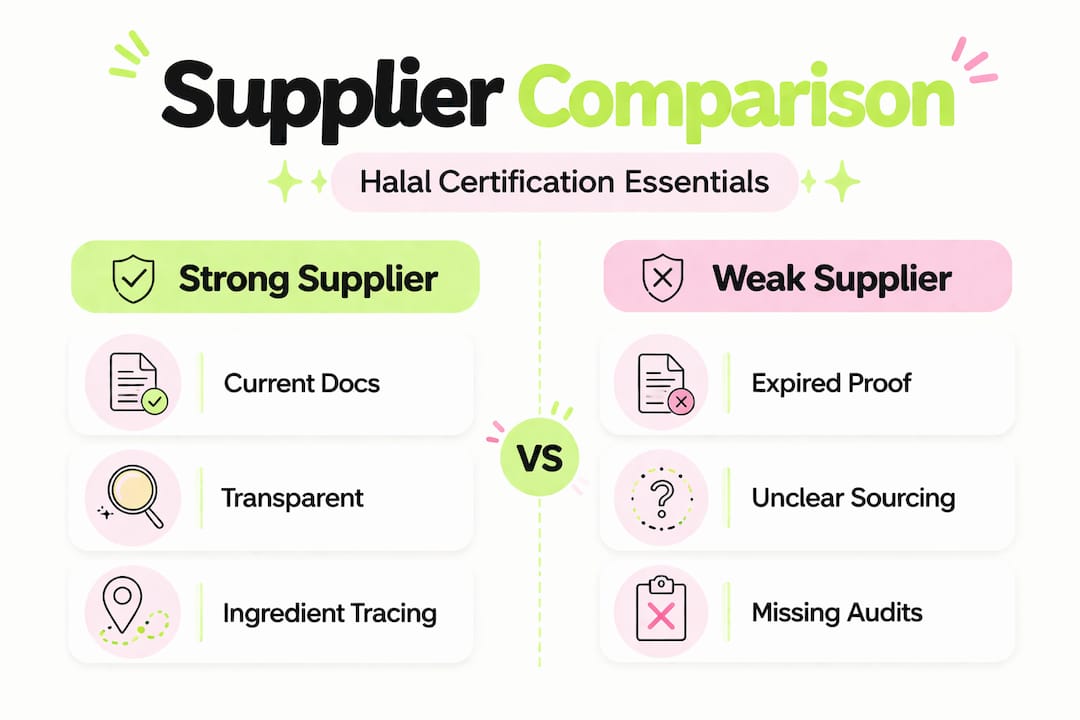
Here’s a simple comparison to guide your evaluation:
| Evaluation criterion | Strong supplier | Weak supplier |
|---|---|---|
| Certification documents | Current, dated, third-party issued | Absent, expired, or self-declared |
| Ingredient sourcing | Written halal policy in place | Verbal assurances only |
| Cross-contact controls | Documented, audited procedures | No formal process |
| Packaging compliance | Verified as halal safe | Unconfirmed |
| Audit frequency | Regular third-party inspections | Infrequent or none |
For businesses exploring wholesale popcorn supply, this checklist is essential before committing to any supplier relationship. The best gourmet popcorn suppliers will welcome this level of scrutiny because it reflects their own commitment to quality.
How halal certified snack supply chains minimise risk
Selecting a supplier is only the start. Maintaining high standards throughout the supply chain is equally vital, and this is where many businesses fall short.
The HCCP framework identifies several risk points that responsible suppliers must actively manage. These include ingredient sourcing, production line sanitation, and the certification status of packaging materials. Each of these represents a potential point of failure if controls are not in place.
Here is how a responsible halal snack supply chain manages risk at each stage:
- Ingredient sourcing: Every raw material, including flavourings and processing aids, must come from verified halal suppliers. This requires documented supplier approvals and regular reviews.
- Production line management: Shared equipment poses a cross-contact risk. Responsible suppliers either dedicate lines to halal production or implement rigorous cleaning and changeover protocols between runs.
- Packaging material verification: Even packaging can introduce non-compliant substances. Certified suppliers confirm that inks, adhesives, and materials meet halal standards.
- Ongoing certification monitoring: Certification is not permanent. Suppliers must track renewal dates and act immediately if a certificate lapses.
- Third-party audits: Independent inspections provide objective assurance that controls are working. These audits should be scheduled regularly and documented thoroughly.
One real-world example stopped me in my tracks when I first came across it. The American Halal Foundation issued a notice of delisting against a snack company whose halal certificate had expired. The company was instructed to stop using halal logos and halt any certification claims immediately. This is not a rare edge case. It is a reminder that certification can lapse, and the consequences for consumers and retailers are significant.
| Risk area | Managed supply chain | Unmanaged supply chain |
|---|---|---|
| Ingredient sourcing | All inputs verified and documented | Assumed compliant, no records |
| Cross-contact | Dedicated lines or verified protocols | Shared equipment, no controls |
| Certification validity | Actively monitored and renewed | Checked only at initial setup |
| Third-party audits | Regular, independent, documented | Rare or absent |
Pro Tip: Ask your supplier directly when their current certificate expires and what their renewal process looks like. A confident, detailed answer is a very good sign.
For anyone researching plant-based popcorn suppliers, this level of supply chain rigour is increasingly becoming the standard rather than the exception.
Spotting red flags: Avoiding common pitfalls with halal snack suppliers
Even with the right processes in mind, there are pitfalls to avoid in your search for a truly reliable halal certified snack supplier. Some warning signs are obvious. Others are easy to miss if you’re not looking carefully.
Here are the red flags that should give you pause:
- Outdated or missing certification documents: If a supplier cannot produce a current certificate from a recognised body, walk away. A logo on a website is not the same as a valid certificate.
- Reluctance to share audit details: Trustworthy suppliers are proud of their audit records. Hesitation or vague responses suggest something is being hidden.
- No visible third-party verification: Self-declared halal status without independent oversight carries very little weight. Always look for a named certifying body.
- Unclear facility hygiene controls: If a supplier cannot explain how they prevent cross-contact or manage ingredient handling, their halal claims are built on shaky ground.
- Expired or recently lapsed certification: As the Century Snacks delisting case demonstrates, expired certification means a supplier has no right to make halal claims until renewal is complete.
“A halal label without a current, verifiable certificate is just a design choice. Real certification is a living document that requires ongoing commitment.”
This is something I feel strongly about. When we built our own approach to sourcing at Popcornaa, we made it a rule never to accept verbal assurances. Documentation matters. It protects you, your customers, and the integrity of the product you’re putting your name to.
If you’re exploring our vegan popcorn flavour guide, you’ll see that every flavour we offer is developed with these principles in mind. Flavour innovation and ethical sourcing are not mutually exclusive. They go hand in hand.
Vegan and gourmet popcorn: Meeting halal standards and exceeding expectations
With the fundamentals covered, let’s look at how gourmet vegan popcorn can be a showcase for best-in-class halal compliance. This category is genuinely exciting because it sits at the intersection of ethical eating, bold flavour, and rigorous production standards.
Vegan popcorn suppliers can meet both halal and health-focused requirements without compromise. In fact, the values align beautifully. Plant-based ingredients, minimal processing, and clean flavour profiles all support halal compliance. The key is that suppliers must still go through the formal certification process rather than assuming that vegan automatically means halal.
Top suppliers in this space demonstrate their commitment through:
- Clear certification marks on every packet, with visible certifying body information
- Strict ingredient sourcing policies that cover flavourings, colourings, and processing aids
- Regular independent audits that verify ongoing compliance across the entire production process
- Transparent communication with retailers and consumers about their certification status and renewal schedule
- Innovation in flavour and nutrition that supports the ethical, gourmet snack movement without cutting corners on compliance
A great example of dual certification in action comes from the bulk supply sector. Nebraska Popcorn Sales is SQF food safety certified as well as both halal and kosher certified, demonstrating that rigorous multi-standard compliance is entirely achievable. This kind of transparency builds genuine consumer trust and loyalty.
Staying across snack trends in the UK shows that demand for verified ethical snacks is growing fast. Consumers are asking harder questions, and the brands that answer them honestly are the ones building lasting relationships.
Why true halal snack sourcing demands more than a label
Here’s my honest perspective, shaped by years of working in the gourmet snack space: the biggest mistake people make is treating halal certification as a destination rather than an ongoing practice.
I’ve seen brands lean heavily on a certificate they earned two years ago, with no follow-up audits, no updated ingredient reviews, and no real engagement with their certifying body. They assume the label does the work. It doesn’t.
The best popcorn suppliers I’ve encountered treat halal compliance the way they treat quality control: as a continuous process, not a one-time achievement. They have dedicated team members who manage certification renewals, supplier audits, and ingredient change reviews. They communicate proactively with their retail partners and their customers.
For discerning, health-conscious snackers, trust is built on published practices and documented evidence, never on convenience or assumption. The brands that understand this are the ones worth supporting. They’re also the ones that will thrive as consumer expectations continue to rise and regulatory scrutiny increases.
My view is simple. If a supplier cannot hand you a current certificate, explain their audit process, and walk you through their cross-contact controls in plain language, they are not ready to be your halal snack partner. Hold the bar high. You deserve that assurance.
Discover gourmet halal certified snacks for every craving
If this article has sparked a wave of curiosity about what genuinely certified, gourmet halal snacking looks like in practice, we’d love to show you.
[ ](https://www.popcornaa.com › pages › asian-fusion-taster-box)
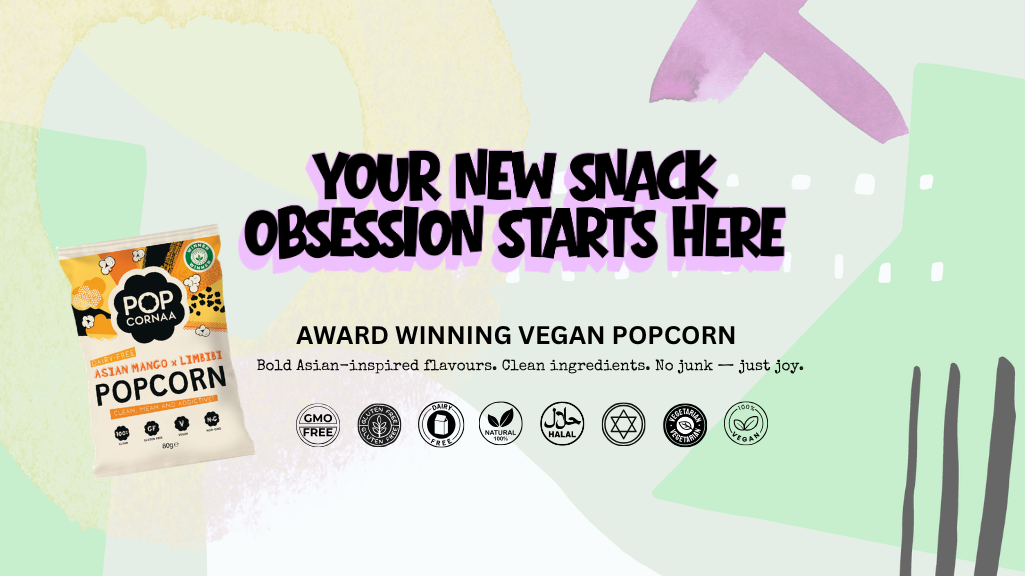
At Popcornaa, we’ve built our entire range around the principles discussed here: transparent sourcing, bold flavour, and ethical production. Whether you’re new to our world or looking to expand your snack horizons, our Asian Fusion Taster Box is a brilliant place to start. Five uniquely crafted flavours, all vegan, all made with care. Or if you prefer to take control, our build your own snack mix option lets you curate exactly what lands in your box. Ethical snacking has never been this much fun.
Frequently asked questions
How can I verify if a snack supplier is truly halal certified?
Check that the supplier provides up-to-date halal certification documents from a recognised third-party body, and confirm the validity dates before making any purchase. Supplier certification checks and regular inspections are the gold standard for ongoing compliance.
Do vegan snacks need halal certification too?
Yes, absolutely. Cross-contact and non-compliant ingredients can occur across all snack categories, including vegan products. As halal certified supply chains in the freeze-dried food sector show, certification is just as relevant for plant-based snacks as for any other category.
What happens if a supplier’s halal certificate expires?
The supplier must immediately stop using halal certification logos and halt all related claims until the certificate is formally renewed and verified. The AHF delisting of Century Snacks is a clear real-world example of how this process works in practice.
Can halal certified snacks also be kosher?
Yes, some suppliers carry both halal and kosher certifications simultaneously. Nebraska Popcorn Sales is one example, holding SQF food safety, halal, and kosher certifications together. The processes overlap in some areas but each certification has its own distinct criteria and certifying bodies.
Why do so many retailers now insist on verified halal supply chains?
Retailers require formal certification to reduce risk and guarantee that products genuinely meet halal standards. As retailers increasingly prefer verified halal supply, documented certification has become a commercial necessity as well as an ethical one, earning consumer trust and ensuring full supply chain transparency.
Recommended
- Sustainable snack brands UK: Vegan, healthy, ethical – PopCornaa
- Asian-inspired vegan snacks UK: tasty, healthy picks – PopCornaa
- Best UK wholesale suppliers for gourmet vegan popcorn 2026 – PopCornaa
- Top plant-based snacks UK: gourmet choices for mindful snackers – PopCornaa
- The 23 Best Halal Franchises For Sale in the UK