

Is popcorn a healthy snack? Benefits, facts and expert insights
TL;DR:
- Popcorn is a whole grain snack rich in fibre and antioxidants when prepared healthily.
- Processed popcorn with added fats, salt, and artificial ingredients can negate health benefits.
- Portion control and mindful toppings are crucial to maximizing popcorn’s health potential.
Popcorn sits in a strange place in most people’s minds. It’s either the guilt-free diet snack or the calorie-bomb you regret at the cinema. Honestly, neither picture is entirely accurate. The truth is more interesting, and far more useful. Whether popcorn works for your health depends almost entirely on how it’s prepared, what goes on it, and how much you eat. I’ve spent a lot of time thinking about this, both as someone who genuinely loves a good snack and as someone who cares deeply about what goes into the food we reach for every day. So let’s get into the real story.
Key Takeaways
| Point | Details |
|---|---|
| Preparation is critical | Air-popped, plain popcorn offers health benefits, while processed, buttery versions can undermine them. |
| Nutrient-rich snack | Popcorn is high in fibre and antioxidants, making it a smart choice for plant-based diets. |
| Watch your portions | Popcorn’s insoluble fibre is filling, but large servings might not suit sensitive digestions. |
| Read ingredient labels | Check for unnecessary fats and sodium if you want your snack to stay genuinely healthy. |
What is popcorn? Ingredient basics and nutrition explained
Popcorn is, at its core, a whole grain. It comes from a specific variety of maize called Zea mays everta, and when heated, the moisture inside the kernel turns to steam and causes it to burst open. That’s the pop. Simple, natural, and honestly a little magical when you think about it.
What makes plain popcorn stand out nutritionally is how clean it is in its basic form. Air-popped popcorn contains just 31 calories per cup, with around 2.3g of fibre per two cups, making it a genuinely low-calorie, high-volume snack. It’s also naturally plant-based, gluten-free, and free from the most common allergens. For anyone following a vegan or plant-based lifestyle, that’s a meaningful starting point.
The contrast between plain and processed popcorn is stark. Here’s a quick comparison:
| Type | Calories (per serving) | Fat | Fibre | Sodium |
|---|---|---|---|---|
| Air-popped (2 cups) | 62 | 0.7g | 2.3g | 1mg |
| Microwave bag (full bag) | 465 | 12.7g | 3g | 664mg |
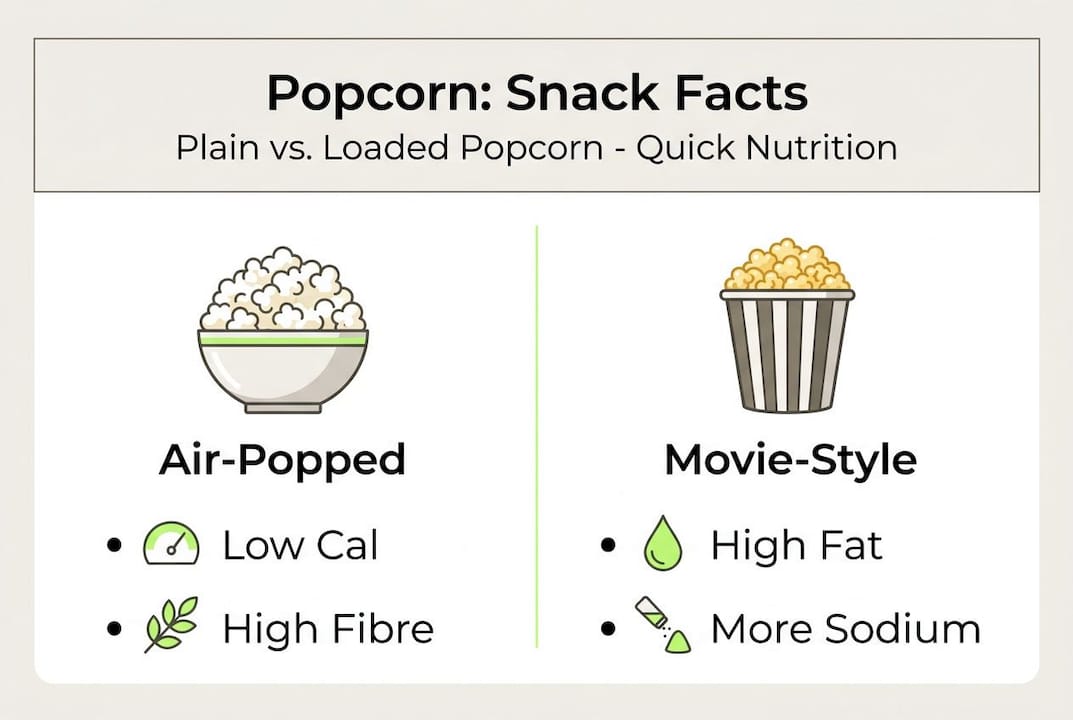
That difference is not subtle. The microwave version isn’t just higher in calories. It’s carrying saturated fat, artificial flavourings, and a sodium load that can genuinely affect your health over time.
For those curious about what goes into pure versus processed varieties, the ingredient lists tell the story:
- Pure popcorn: Whole grain maize kernels. That’s it.
- Microwave popcorn: Corn, partially hydrogenated oils, salt, artificial butter flavouring, preservatives, colour additives.
The gap between those two lists is where all the health nuance lives. If you want to understand more about choosing wisely, our healthiest popcorn guide is a good place to start. And if you’re curious about how popcorn gets made in a genuinely vegan way, vegan popcorn making walks through the process clearly.
The real health benefits of popcorn: Evidence and expert breakdown
Now that we know the nutritional base, what does the latest science say about popcorn’s health effects?

The fibre content alone makes plain popcorn worth considering. Fibre keeps you feeling full for longer, supports a healthy gut, and helps regulate blood sugar. For anyone managing their weight or simply trying to avoid that mid-afternoon energy crash, a handful of plain popcorn is a genuinely smart choice.
But here’s what really stopped me in my tracks when I first looked into this properly. Popcorn contains polyphenols and ferulic acid, both of which are antioxidants. These compounds are linked to gut health, heart health, and even reduced cancer risk. The research is still developing, but the early picture is encouraging.
“Ounce-for-ounce, popcorn has more antioxidants than most fruit and veg.” — Cleveland Clinic
That quote is a genuine eye-opener. Most of us think of berries or broccoli when we think antioxidants. Popcorn rarely comes to mind. Yet the polyphenol concentration in whole grain popcorn is surprisingly high, particularly because we eat the entire kernel, hull included.
The potential metabolic advantages are worth listing clearly:
- Supports weight management through high satiety and low calorie density
- May help regulate blood sugar due to fibre’s effect on glucose absorption
- Could support healthy cholesterol levels as part of a balanced diet
- Contributes to daily whole grain intake, which is linked to reduced cardiovascular risk
For a broader look at how popcorn fits into a healthy snacking routine, our popcorn snacks guide covers the practicalities well. And if you’re after flavour inspiration that doesn’t compromise on health, the vegan popcorn flavours list is genuinely exciting.
Pro Tip: To get the most from popcorn’s antioxidant and fibre benefits, eat it plain or with minimal seasoning. A light sprinkle of sea salt or a drizzle of olive oil keeps things clean without undoing the goodness.
When is popcorn not healthy? Toppings, additives and red flags
Not all popcorn is created healthy, and this is where things can go seriously wrong.
The preparation method changes everything. Here’s how the numbers shift depending on how popcorn is made:
| Preparation type | Calories | Fat | Sodium | Fibre |
|---|---|---|---|---|
| Air-popped (2 cups) | 62 | 0.7g | 1mg | 2.3g |
| Oil-popped (2 cups) | 110 | 6g | 170mg | 2g |
| Buttered (2 cups) | 150+ | 10g+ | 300mg+ | 1.8g |
| Microwave bag (full) | 465 | 12.7g | 664mg | 3g |
| Cinema popcorn (large) | 1,000+ | 40g+ | 1,500mg+ | 4g |
Microwave and cinema popcorn carry risks that go beyond calories. A full microwave bag can contain 664mg of sodium and 12.7g of saturated fat. That’s a meaningful contribution to hypertension and high cholesterol risk, especially if popcorn is a daily habit.
The most common popcorn pitfalls to watch for:
- Excess butter or oil: Adds significant saturated fat and calories with no nutritional benefit.
- Heavy salt: Sodium accumulates quickly, particularly in cinema or microwave varieties.
- Added refined sugar: Toffee or caramel coatings spike the glycaemic load considerably.
- Artificial flavourings and cheese powders: Often contain additives, preservatives, and hidden fats.
- Hydrogenated oils: Found in some microwave varieties, these are linked to cardiovascular risk.
When you’re reading a label, watch for hydrogenated or partially hydrogenated oils, cheese powder, and sodium levels above 200mg per serving. Those are the red flags. For those exploring better alternatives, our popcorn snack alternatives piece offers some genuinely useful options. And if you want to understand what separates everyday popcorn from something genuinely well-made, gourmet popcorn explained is worth a read.
For those who enjoy cooking, air frying for vegetarians is a great method that keeps fat content low while still delivering a satisfying crunch.
Pro Tip: Pop your own kernels at home using a dry pan or air popper. You control every ingredient, and the result is far healthier than anything in a microwave bag.
Are there any downsides? Fibre, bloating and sensitive digestions
Even with all these plus points, some people should take special care with popcorn.
Popcorn’s fibre is primarily insoluble fibre. This type adds bulk to digestion and speeds things along, which is beneficial for most people. But for those with sensitive guts, it can cause bloating, gas, or discomfort. It’s worth knowing your own body before making popcorn a daily staple.
Conditions and situations that warrant caution include:
- Irritable bowel syndrome (IBS): Popcorn can trigger symptoms in some individuals, though it is considered low FODMAP in moderate portions.
- Inflammatory bowel disease (IBD): Those with Crohn’s disease or ulcerative colitis may find high-fibre foods aggravate flare-ups.
- Post-surgery or low-fibre diets: Anyone recovering from bowel surgery should check with their doctor before eating popcorn regularly.
- Fibre-sensitive individuals: Some people simply find that high fibre content causes bloating or gas, even without a diagnosed condition.
On portion guidance, up to around seven cups of plain popcorn is still considered low FODMAP and appropriate for most people, including those managing IBS. Beyond that, digestive discomfort becomes more likely.
“Popcorn is beneficial for most people, but those with digestive sensitivities should monitor portions carefully and pay attention to how their body responds.”
It’s also worth being clear about one thing. Popcorn’s antioxidant content is impressive, but it does not replace fruit and vegetables in your diet. The variety of vitamins, minerals, and phytonutrients found in fresh produce simply cannot be replicated by any single snack. Popcorn is a wonderful addition to a balanced diet. It’s not a shortcut. For a broader view of how popcorn fits into social and everyday snacking, our popcorn as a social snack guide explores this thoughtfully.
Our perspective: Why popcorn’s health story is all about context
Stepping back, here’s what I genuinely believe most people miss when they ask whether popcorn is healthy.
The snack itself is not the problem. The context is. Popcorn’s reputation swings wildly because people judge it by its worst versions, the cinema bucket drenched in butter, the microwave bag loaded with artificial flavouring, and assume that tells the whole story. It doesn’t.
The same kernel that delivers gut-friendly fibre and impressive antioxidants can become a sodium and saturated fat vehicle within minutes of poor preparation. That’s not a flaw in popcorn. It’s a reminder that how we treat our food matters as much as what the food is.
Portion size, topping restraint, and mindful habits are as important as choosing a whole grain snack in the first place. I’ve seen people swap crisps for popcorn and then pile on the butter and salt, wondering why nothing changed. The grain was right. The approach wasn’t.
The best outcomes come from matching your popcorn choices to your actual dietary needs and snacking context. Whether that’s a light afternoon snack, a sharing moment with friends, or something to enjoy at a film night, popcorn for occasions can look very different. The healthy potential is real. It just lives in the details.
Discover delicious, plant-based popcorn you can trust
If this article has sparked a wave of curiosity about snacking smarter, you’re in the right place. At Popcornaa, we’ve built everything around the idea that great-tasting popcorn and clean ingredients are not a compromise.
Our clean gourmet popcorn range is entirely plant-based, crafted without unnecessary fats or artificial additives. Whether you’re drawn to something classic like our rosemary sea salt popcorn or something more adventurous like our vegan tropical fruit popcorn, every flavour is made with the health-conscious snacker in mind. Real ingredients, real flavour, and nothing you need to feel uncertain about.
Frequently asked questions
Is popcorn a good snack for weight loss?
Air-popped popcorn is low in calories and high in fibre, making it filling and supportive of weight control when eaten plain without heavy toppings.
What is the healthiest way to prepare popcorn?
Air-popping without added butter or salt is the healthiest method, as it preserves the whole grain fibre benefits without introducing unnecessary fats or sodium.
Can eating too much popcorn be bad for your digestion?
Large portions can cause bloating or discomfort, particularly for those with gut sensitivities, because popcorn’s insoluble fibre adds bulk and can accelerate digestion more than some stomachs handle comfortably.
Does popcorn count as a fruit or vegetable?
Popcorn is a whole grain, not a fruit or vegetable, and while it contains antioxidants, it complements rather than replaces fresh produce in a balanced diet.