

Making Asian-inspired popcorn at home: your 2026 guide
TL;DR:
- Asian-inspired popcorn combines freshly popped corn with traditional Asian seasonings like soy sauce, furikake, and gochujang to produce a crunchy, umami-rich snack. Prevent sogginess by applying fats before dry seasonings and controlling liquid quantities; use pre-toasted nori for crispness. Recipes such as sushi popcorn, Korean honey butter, and furikake kettle corn highlight the versatility of this flavorful trend, which emphasizes proper sequencing and moisture control for perfect crunch.
Asian-inspired popcorn is a fusion snack that combines freshly popped corn with traditional Asian seasoning blends, including soy sauce, furikake, gochujang, sesame oil, and nori, to produce a crunchy, umami-rich treat that rivals anything you would find in a gourmet snack shop. Making Asian-inspired popcorn at home is genuinely straightforward once you understand two things: the right sequence for applying fats and seasonings, and how to control moisture so your popcorn stays crisp rather than turning soft. The flavour possibilities stretch from sushi-style popcorn dusted with wasabi powder and rice vinegar to Korean honey butter popcorn glazed with gochujang. You do not need specialist equipment. A stovetop popper or a heavy-based pot with a lid is all it takes to get started.
What tools and ingredients do you need for making Asian-inspired popcorn at home?
The foundation of any great Asian-inspired popcorn is a reliable popping method. A stovetop popper gives you the most control over heat and oil distribution. A hot air popper works well if you prefer a lighter base with less added fat. A heavy-based pot with a tight-fitting lid is a perfectly capable alternative. Whichever method you choose, the goal is evenly popped kernels with no scorching.
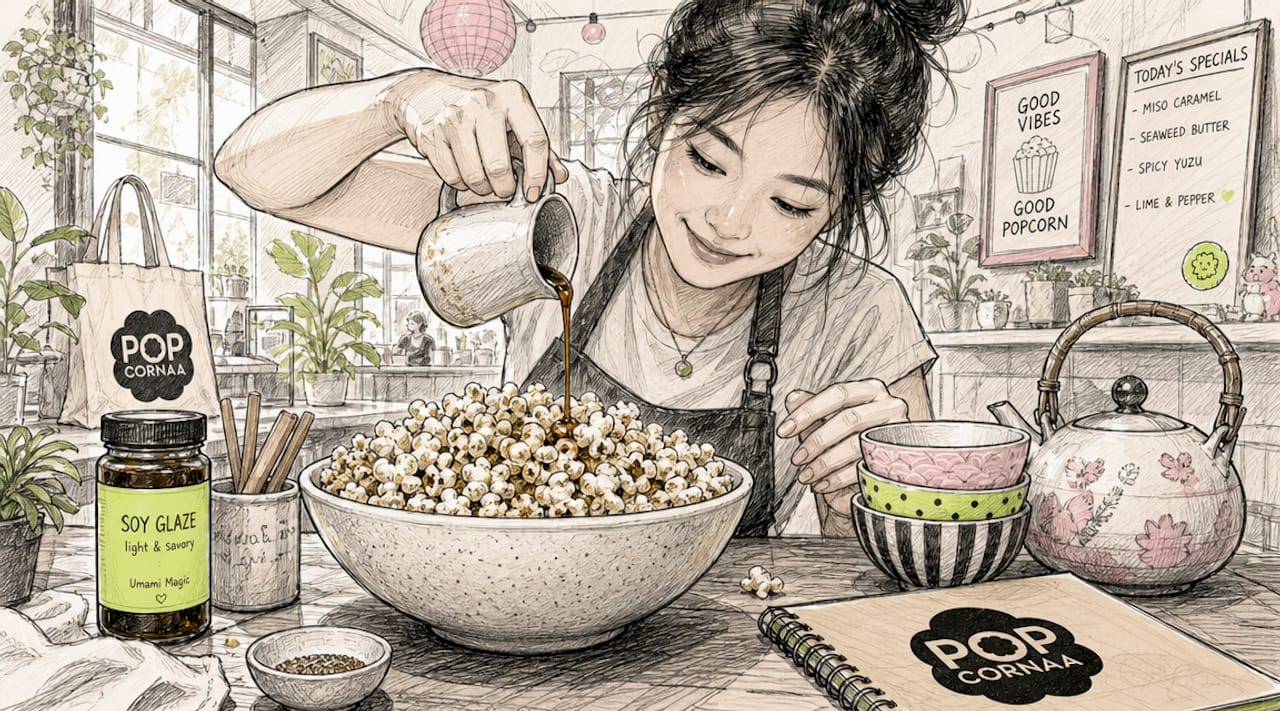
The ingredient list is where the real character comes from. Below is a practical overview of what you will need and how each item contributes.
| Item | Role | Notes |
|---|---|---|
| Popcorn kernels (yellow or white) | Base | Yellow kernels produce a sturdier shell; white kernels are more tender |
| Soy sauce | Umami depth | Use sparingly to avoid sogginess |
| Sesame oil | Flavour carrier | Toasted sesame oil adds the most aroma |
| Furikake seasoning | Savoury coating | Available in most Asian supermarkets |
| Gochujang paste | Heat and sweetness | Adjust quantity to taste |
| Wasabi powder | Sharp heat | Distributes more evenly than paste |
| Nori snack sheets | Texture and sea flavour | Pre-toasted varieties work best |
| Toasted sesame seeds | Garnish and crunch | Add after coating for texture contrast |
| Unsalted butter or neutral oil | Fat base for seasoning adhesion | Coconut oil works well for vegan versions |
| Baking soda | Syrup aeration | Used in sweet-savory glaze recipes |
Pro Tip: Choose pre-toasted nori snack sheets over culinary-grade nori. Snack sheets crumble easily and distribute evenly without turning chewy when they contact warm popcorn.
Sourcing furikake and gochujang is simpler than it used to be. Most large supermarkets now stock both, and any Asian food shop will carry a full range. If you are building your own vegan flavour mixes, swapping butter for coconut oil keeps every recipe plant-based without sacrificing flavour.
How do you prepare and pop popcorn properly before seasoning?
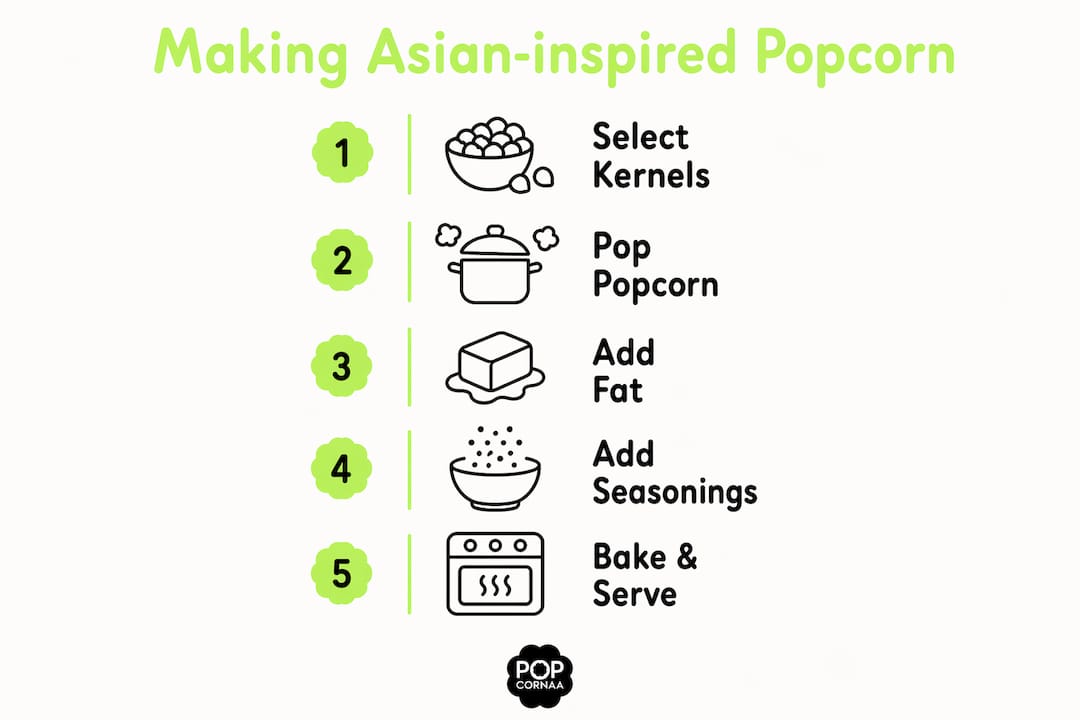
Getting the base right is the step most home cooks rush, and it is the one that matters most. Follow this sequence carefully and your popcorn will hold its crunch through every coating you apply.
- Choose your oil. Add one to two tablespoons of neutral oil, such as sunflower or refined coconut oil, to your stovetop popper or pot. Avoid extra virgin olive oil, as its low smoke point causes bitterness at popping temperatures.
- Test the heat. Drop two or three kernels into the oil and cover. When they pop, the oil is ready. This prevents scorching the batch.
- Add the kernels. Pour in half a cup of kernels in a single layer. Cover immediately and reduce heat to medium.
- Shake regularly. Gently shake the pot every 20 to 30 seconds to prevent burning on the base and to encourage even popping.
- Listen for the pause. Remove from heat when popping slows to one pop every two to three seconds. Leaving it longer burns the batch.
- Transfer immediately. Pour popcorn into a large bowl to stop residual heat from over-cooking the bottom layer.
The critical next step is applying fat before any dry seasoning. Toss hot popcorn with fats first, whether melted butter or oil, before adding dry seasonings or sauces. This sequence is what separates crunchy, well-coated popcorn from a soggy, clumped mess. The fat creates a thin adhesive layer that dry seasonings cling to without introducing excess moisture.
Pro Tip: Sauté minced garlic in butter for about one minute before adding it to your popcorn. This aromatic base adds a depth of flavour that plain butter simply cannot match, particularly with spice blends like shichimi togarashi.
Microwave popcorn bags are a workable shortcut, but they introduce pre-added salt and oil that can clash with Asian seasonings. Plain microwave kernels with no added flavouring are a reasonable compromise if time is short.
What are the top Asian-inspired popcorn flavour profiles and how do you make them?
Here are three of the best Asian-inspired popcorn recipes, each with a distinct flavour character and a clear step-by-step process.
Sushi popcorn
This is the most approachable recipe for beginners. The flavour profile is savoury, tangy, and lightly oceanic.
- Pop half a cup of kernels using your preferred method and transfer to a large bowl.
- Whisk together 1.5 tablespoons of soy sauce, one teaspoon of sesame oil, one teaspoon of rice vinegar, and two tablespoons of melted butter. Note that exceeding 1.5 tablespoons of soy sauce for this quantity of kernels introduces enough moisture to make the popcorn go soft.
- Drizzle the sauce over the warm popcorn and toss immediately to coat evenly.
- Sprinkle with wasabi powder, furikake, and crumbled nori snack sheets.
- Spread on a baking tray and bake at 120°C for 10 minutes to set the coating. Cool for five minutes before serving.
Korean honey butter popcorn
This recipe delivers a sweet, spicy, buttery glaze that is genuinely hard to stop eating.
- Pop your kernels and set aside in a large bowl.
- Melt two tablespoons of butter in a small saucepan over medium heat. Add two tablespoons of honey and one teaspoon of gochujang for mild heat. Bubble the glaze for about one minute, stirring constantly, then remove from heat.
- Pour immediately over warm popcorn and toss to coat.
- Scatter toasted sesame seeds over the top and serve within one hour for maximum crunch.
For a spicier version, increase gochujang to one tablespoon. The honey balances the heat beautifully, so do not be afraid to push the spice level.
Furikake kettle corn
This is the most technically rewarding recipe and produces a professional-grade result.
- Pop your kernels and transfer to a large, oven-safe bowl.
- In a small saucepan, melt three tablespoons of butter with three tablespoons of sugar over medium heat. Stir until the sugar dissolves, then add a quarter teaspoon of baking soda. The baking soda aerates the syrup, producing a lighter, glossy coating rather than a hard sugar shell.
- Pour the syrup over the popcorn, add a generous handful of furikake, and toss quickly.
- Spread on a lined baking tray and bake at 120°C (approximately 250°F) for 30 minutes, stirring halfway through.
- Cool for at least five minutes before serving. The cooling period is non-negotiable for achieving the final crisp texture.
| Recipe | Key flavour elements | Texture notes |
|---|---|---|
| Sushi popcorn | Soy sauce, sesame oil, nori, wasabi | Light coating, crisp, oceanic |
| Korean honey butter | Honey, butter, gochujang, sesame seeds | Sticky glaze, sweet-spicy |
| Furikake kettle corn | Butter-sugar syrup, furikake, baking soda | Glossy, airy crunch, sweet-savoury |
For a broader look at flavour innovation techniques that work across all three of these profiles, the principles of layering fat, acid, and umami apply consistently.
How do you fix common problems with Asian-inspired popcorn?
Even experienced home cooks run into issues. Here are the most common problems and how to solve them.
- Soggy popcorn. The cause is almost always too much liquid seasoning applied to popcorn that has cooled. Always season while the popcorn is still warm, and keep soy sauce quantities within the recommended limits. If your batch has already gone soft, spread it on a baking tray and bake at 120°C for 10 to 15 minutes to drive off excess moisture.
- Uneven coating. This happens when you add seasoning to a full bowl without tossing between additions. Add your fat first, toss thoroughly, then add dry seasonings in stages, tossing after each addition.
- Chewy nori. Culinary-grade nori sheets absorb moisture quickly and turn rubbery on warm popcorn. Switch to pre-toasted nori snack sheets, which stay crisp and crumble cleanly.
- Clumped wasabi hot spots. Wasabi paste, when added directly to popcorn, creates concentrated pockets of intense heat. Wasabi powder distributes evenly across the batch, giving consistent warmth in every handful. If you only have paste, whisk it thoroughly into melted butter before drizzling.
- Popcorn losing crunch after storage. Moisture from the air is the culprit. Store cooled popcorn in an airtight container and consume within 24 hours for best results.
“The single biggest mistake in Asian-inspired popcorn is treating it like a salad and tossing everything in at once. Sequence is everything. Fat first, then dry, then garnish.”
Pro Tip: For any recipe that uses a sugar-based syrup, always bake after coating rather than serving immediately. The oven step sets the glaze and removes surface moisture, which is what gives you that lasting, professional crunch.
For more detail on keeping popcorn crisp through the custom popcorn creation process, the same moisture control principles apply whether you are making one flavour or building a mixed snack assortment.
Key takeaways
Asian-inspired popcorn achieves its signature crunch and flavour by applying fat before dry seasonings, controlling liquid quantities carefully, and using pre-toasted nori and wasabi powder for even distribution.
| Point | Details |
|---|---|
| Fat before seasoning | Always toss popcorn with butter or oil before adding dry spices or sauces. |
| Limit liquid seasonings | Keep soy sauce to 1.5 tablespoons per half cup of kernels to prevent sogginess. |
| Use pre-toasted nori | Snack sheets stay crisp and distribute evenly; culinary nori turns chewy. |
| Bake sugar-glazed batches | A 30-minute bake at 120°C sets the glaze and locks in crunch. |
| Store in airtight containers | Consume within 24 hours to maintain freshness and texture. |
Why Asian-inspired popcorn stopped me in my tracks
I have spent years thinking about snack food, and I will be honest: I did not expect popcorn to be the format that made umami flavours feel genuinely exciting at home. When I first tried furikake popcorn, the combination of that sweet-savoury syrup with the oceanic depth of seaweed seasoning was a revelation. It was not just tasty. It made me think differently about what a snack could be.
What I find most compelling about this style of cooking is how it rewards curiosity. You are not following a rigid recipe so much as learning a set of principles: balance fat and acid, control moisture, layer flavour in sequence. Once those principles click, you start seeing the possibilities everywhere. Togarashi on kettle corn. Miso butter on plain popcorn. A drizzle of rice vinegar to brighten a heavy sesame coating.
The trend towards umami-rich, globally inspired snacks is not a passing moment. It reflects a genuine shift in how people want to eat, particularly at home, where entertaining has become more personal and more adventurous. Asian-inspired popcorn sits right at the centre of that shift. It is shareable, customisable, and genuinely impressive without requiring hours in the kitchen.
My honest advice: start with the sushi popcorn. It is the most forgiving recipe and the one most likely to convert a sceptic at a gathering. Once you have nailed the moisture control and the seasoning sequence, the Korean honey butter and furikake kettle corn will feel like natural next steps rather than ambitious leaps.
— Emily
Explore Popcornaa’s Asian-inspired gourmet range
If these recipes have sparked your appetite for bold, Asian-inspired flavours, Popcornaa has done a lot of the hard work for you. Their gourmet dairy-free popcorn range features clean, plant-based recipes built around the same Asian and British flavour profiles explored in this guide, with no artificial additives and no compromise on crunch.
[ ](https://www.popcornaa.com › pages › asian-fusion-taster-box)
For those who want to build something truly personal, the custom snack box builder lets you mix and match flavours to create your own assortment, whether you are putting together a gift or simply stocking up for a film night. It is a genuinely satisfying way to explore the full range before committing to a favourite.
FAQ
What is Asian-inspired popcorn?
Asian-inspired popcorn is freshly popped corn seasoned with traditional Asian ingredients such as soy sauce, furikake, gochujang, sesame oil, nori, and wasabi powder. The result is a savoury, umami-rich snack that blends Western popcorn culture with East Asian flavour traditions.
Why does my Asian-inspired popcorn go soggy?
Sogginess is caused by excess liquid seasoning or adding sauce to cooled popcorn. Keep soy sauce to no more than 1.5 tablespoons per half cup of kernels, and always season while the popcorn is still warm to help the coating set quickly.
Can I make Asian-inspired popcorn without butter?
Yes. Substitute melted coconut oil or a neutral plant-based oil for butter in any of these recipes. The fat still performs the same function of helping dry seasonings adhere and carrying flavour across the batch.
How long does homemade Asian-inspired popcorn stay fresh?
Store cooled popcorn in an airtight container at room temperature and consume within 24 hours. Sugar-glazed varieties like furikake kettle corn hold their crunch slightly longer than soy-sauce-based recipes due to the baked glaze.
Is wasabi powder better than wasabi paste for popcorn?
Wasabi powder is the better choice for popcorn because it distributes evenly across the batch without creating concentrated hot spots. If you only have paste, whisk it thoroughly into melted butter before applying it to the popcorn.