

Popcorn flavour science: what shapes taste and aroma
TL;DR:
- Popcorn’s flavor is primarily influenced by aroma molecules trapped within its porous starch structure, not just external seasonings.
- Different popping methods affect aroma release and flavor complexity, enabling intentional flavor creation for gourmet popcorn.
Most people assume popcorn flavour begins and ends with the seasoning on top. A shake of salt, a drizzle of butter, maybe some paprika, and that’s the story. But that assumption sells the whole experience spectacularly short. Popcorn’s flavour is largely shaped by what happens to aroma molecules when the kernel pops and forms a porous starch matrix, which traps volatiles and amplifies aroma release during eating. In other words, the magic starts long before anything lands on the outside of the kernel. Understanding that changes everything about how you think about gourmet popcorn.
Key Takeaways
| Point | Details |
|---|---|
| Aroma drives flavour | The porous popcorn structure traps aroma compounds making flavour far richer than just seasoning. |
| Popping method matters | The way popcorn pops and when flavours are added determines aroma and taste outcomes. |
| Plant-based innovation | Gourmet plant-based popcorn uses natural chemistry to create layered, unique experiences. |
| Application tips | Applying plant extracts after popping releases maximum aroma for standout results. |
| Beyond seasoning | True gourmet popcorn is about science, not just what’s sprinkled on top. |
Why popcorn tastes unique: the science of popping
When a kernel of popcorn meets intense heat, something extraordinary happens inside that tiny shell. Moisture trapped within the starchy endosperm turns to steam, pressure builds, and then the kernel bursts outward in a fraction of a second. What you’re left with isn’t just a fluffy snack. You’re left with a beautifully porous, sponge-like structure that behaves quite differently from the original kernel.
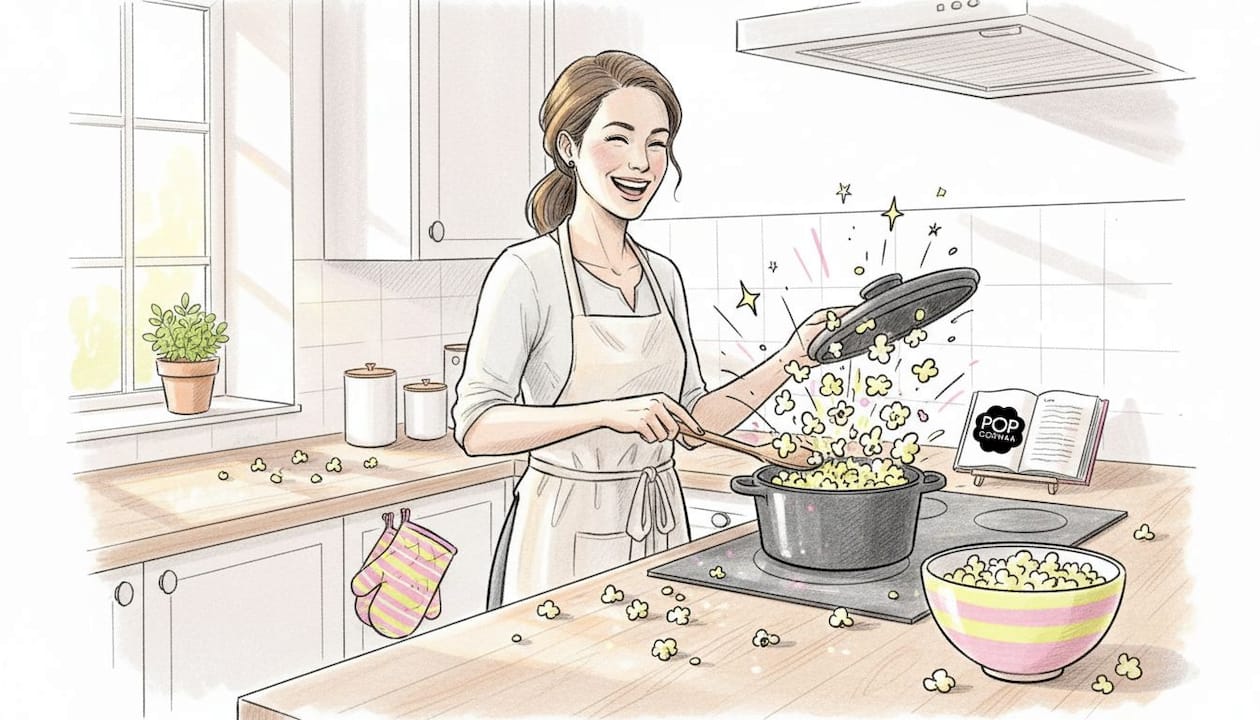
That porous structure matters enormously for flavour. It traps volatile compounds and increases aroma release, meaning every bite you take sends a wave of aromatic molecules straight toward your olfactory receptors. This is why freshly popped popcorn smells so irresistible. It’s not a trick of the marketing. It’s real chemistry doing real work.
The key volatile families involved are:
- Aldehydes, which contribute sweet, grassy, and sometimes fatty notes
- Pyrazines, responsible for the deeply roasted and nutty character that feels so familiar
- Furans, which bring caramel-like and slightly earthy warmth to the overall profile
These compounds don’t just sit on the surface. They’re locked into the porous starch matrix until the moment you eat. That’s when aroma release peaks. It’s a genuinely fascinating system, and it explains why cold popcorn never quite matches the experience of fresh.
“Popcorn’s flavour is built from the inside out. The pop is the first flavour event, not the seasoning.”
Learning how kernels pop properly gives you real insight into why some batches taste richer and more complex than others. And if you’re curious about what makes the wider world of popcorn snacking so exciting right now, our popcorn snack guide covers the full landscape beautifully. Plant-based innovators, in particular, are working with these aroma compounds in clever ways, choosing base oils, popping temperatures, and seasoning timings that maximise the complexity already built into the kernel itself.
How aroma and flavour are shaped: hidden chemistry
Here’s where things get genuinely surprising. Aroma and taste are not always the same thing. You might assume that if something smells deeply caramelised, it will taste sweet. But that’s not always true. Volatile compounds, especially those created through the Maillard reaction and through lipid oxidation during popping, can be masked or undersupplied depending on popping method and the timing and chemistry of added seasonings. The result is that aroma and perceived flavour can diverge quite significantly.
This is a crucial insight for anyone serious about snacking, and an even bigger deal for those of us experimenting with plant-based flavour creation.
Pro Tip: Add dry seasonings while the popcorn is still warm but not scorching hot. This is the sweet spot where the porous starch matrix is still slightly open, allowing dry spice particles to lodge in the surface, releasing aroma as you eat rather than simply sitting on top.
Different popping methods produce noticeably different flavour outcomes. The table below breaks down the key differences:
| Popping method | Aroma intensity | Flavour complexity | Plant-based suitability |
|---|---|---|---|
| Air-popped | Mild and clean | Lower baseline complexity | Excellent, highly versatile |
| Oil-popped (coconut oil) | Rich and rounded | Higher, with fatty note depth | Very good, adds creaminess |
| Oil-popped (sunflower oil) | Light and neutral | Moderate, lets spices lead | Excellent for bold seasonings |
| Roasted/oven method | Deep and nutty | Highest natural complexity | Good, requires timing care |
What this shows is that your popping method is actually a flavour decision, not just a practical one. Air-popped corn gives you a clean canvas, which is ideal if you want the seasonings to do all the heavy lifting. Oil-popped corn, particularly with coconut oil, contributes its own aroma compounds to the mix, creating a naturally richer base before a single seasoning is added.
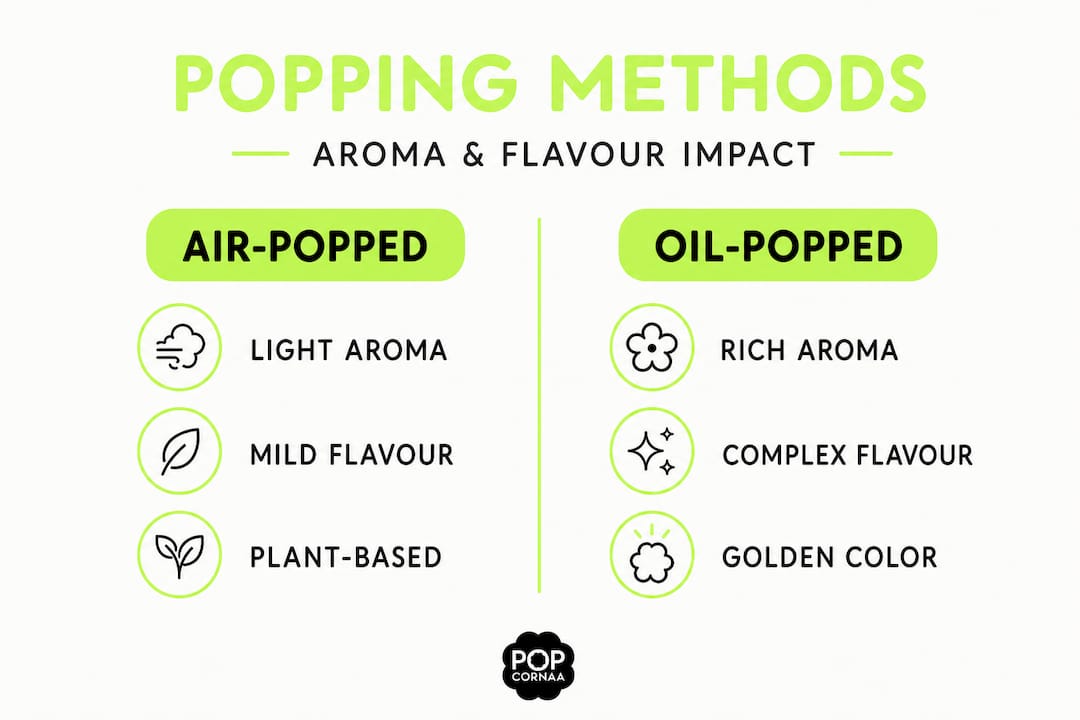
For those crafting vegan flavour mixes, understanding this divergence is genuinely a game-changer. It means you can deliberately choose a method that supports your intended flavour direction. And if you’re interested in going further and crafting something truly original, the custom popcorn creation process is built around exactly this kind of thinking.
Timing also plays a critical role. Seasonings applied during popping interact with heat and the popping chemistry itself, sometimes creating new aroma compounds through secondary Maillard reactions. Seasonings applied after popping behave very differently, sitting in the porous surface and releasing on contact with saliva. Neither approach is wrong. They just produce different results, and knowing which you want helps you make intentional choices.
Innovative flavour pairings: plant-based popcorn for gourmet snacking
This is where the science becomes genuinely exciting. Once you understand that the porous structure amplifies aroma release and that different volatile families create distinct flavour characters, you start to see popcorn as a proper flavour vehicle. Not just a snack, but a platform.
Gourmet plant-based popcorn takes this seriously. The best innovations pair ingredients that interact with the existing volatile chemistry of popped corn rather than simply covering it up. Here are some of the most interesting examples we’ve come across:
- Tropical mango and chilli: The fruity esters in mango sit beautifully alongside the pyrazines in popped corn, creating a sweet-heat-savoury experience that feels genuinely complex
- Gingerbread spice: Cinnamon, ginger, and clove contain their own rich volatile compounds, most notably cinnamaldehyde and eugenol, which layer with the caramel furans already present in the corn
- Asian-inspired umami blends: Nori, toasted sesame, and tamari bring a savoury depth with glutamate-rich compounds that amplify the roasted notes without overpowering the base
- Raspberry and dark chocolate: The aldehydes in raspberry complement rather than clash with the nutty pyrazine profile, creating a surprising but harmonious combination
The table below compares three broad flavour categories and how they interact with popcorn’s base chemistry:
| Flavour category | Key ingredients | Aroma interaction | Complexity level |
|---|---|---|---|
| Traditional (salted/buttery) | Salt, dairy butter | Enhances existing aldehydes | Moderate |
| Vegan gourmet (spice-led) | Chilli, turmeric, ginger | Adds new volatile layers | High |
| Fusion (Asian-inspired) | Nori, miso, sesame, lime | Complex umami-aroma synergy | Very high |
Understanding gourmet popcorn flavours from a chemistry perspective changes how you evaluate what’s in your bowl. You start to notice when something just tastes added on versus when it truly belongs. And if you’re still figuring out which direction suits your palate, knowing how to choose popcorn flavours with a vegan-friendly lens is a genuinely useful starting point.
The really exciting thing is that plant-based ingredients often bring more complex aroma profiles than their dairy or meat-based counterparts. Spices, dried fruits, and fermented seasonings like miso paste are extraordinarily rich in volatile compounds. That means vegan popcorn has a structural advantage when it comes to building layered, memorable flavour.
Practical flavour wisdom: how to create standout popcorn at home
After learning how innovators apply science at scale, here’s how you can bring the same techniques home for unforgettable snacking. The principles are straightforward once you understand the aroma chemistry at play, and the results can be genuinely stunning.
-
Choose your base with intention. Start with a high-quality non-GMO popcorn kernel. The variety matters. Some kernels pop larger and create a wider porous surface area, which means more aroma trapping. Mushroom-shaped kernels hold seasoning differently from butterfly-shaped ones, so experiment with both.
-
Pop for aroma first. Whether you use an air popper or stovetop oil method, pop at the right temperature to maximise Maillard reaction compounds. For oil-popped corn, medium-high heat with coconut or cold-pressed sunflower oil gives you a rich, naturally complex base to work with.
-
Layer your seasonings in stages. Start with a light coating of oil or a water-based liquid seasoning immediately after popping while the corn is warm. This opens the porous surface. Then add your primary dry seasoning. Wait two minutes, then add any finishing elements like citrus zest, finely ground spices, or nutritional yeast for umami depth.
-
Use plant extracts and whole spices post-popping. This is the step most home snackers skip. A tiny amount of vanilla extract, rose water, or smoked paprika oil applied after popping creates an aroma halo around the snack that transforms the eating experience. Because popcorn’s porous structure traps volatile compounds so effectively, even small quantities of potent extracts have an outsized impact.
-
Avoid the most common mistakes. The biggest errors are adding too much moisture at once, which turns the corn soggy, and overpowering the base with a single dominant flavour. Balance is everything. Use acid (citrus, tamarind) to brighten, use fat to carry aroma, and use salt to amplify everything.
Pro Tip: Nutritional yeast is one of the most underrated plant-based seasonings for popcorn. It contributes glutamates that enhance savouriness alongside its own mild nutty aroma compounds, creating a synergy with the pyrazines already present in the popped corn.
For more ideas on building standout snack combinations, the popcorn mix benefits guide is packed with practical inspiration that applies everything we’ve discussed here.
It’s not just seasoning: what most popcorn fans miss about flavour science
I’ve spent a lot of time thinking about food flavour, both as someone who cares deeply about what goes into snacks and as a parent who wants every ingredient to earn its place. And one thing stopped me in my tracks early on in understanding popcorn properly: most of us completely underestimate the chemistry that happens before the seasoning bag even opens.
The honest truth is that seasoning is the last 20% of the flavour story. The first 80% happens in the pot, the air popper, or the commercial drum where those kernels meet heat. That’s where pyrazines form. That’s where caramel furans develop. That’s where the porous matrix that carries everything else is built. If you get that stage wrong, no amount of clever seasoning will save the batch.
What I find genuinely exciting about the plant-based popcorn innovation space is that the most creative makers are thinking about the whole process, not just the toppings. They’re choosing oils that contribute their own aroma compounds. They’re timing their seasonings to interact with still-warm porous surfaces. They’re layering volatile compounds from spices, extracts, and fermented ingredients to build genuine complexity.
There’s also something worth saying about the comparison between vegan vs traditional popcorn from a flavour science perspective. Butter is an incredible aroma carrier, no question. But plant-based oils and seasonings can match or exceed that complexity when chosen thoughtfully. Miso, nori, coconut cream, smoked paprika, and tamarind all bring dense, layered volatile profiles. The field is wide open for people willing to experiment rather than defaulting to convention.
My challenge to any serious popcorn fan is this: pay attention to the pop before you think about the seasoning. Listen to the sound, notice the steam, smell the first wave of aroma from the pot. That moment is where the flavour journey truly begins.
Explore gourmet popcorn creations and plant-based snacking
If reading all of this has sparked a wave of curiosity about what gourmet plant-based popcorn can genuinely taste like, you don’t have to take our word for it.
[ ](https://www.popcornaa.com › pages › asian-fusion-taster-box)
At Popcornaa, we’ve built our entire range around the science of aroma and flavour, crafting gourmet vegan popcorn blends that put everything covered in this article into practice. From our Asian-inspired umami creations to our bold British-inspired flavour experiments, every variety is designed to work with the kernel’s natural chemistry rather than against it. You can explore individual flavours, build a custom snack mix, or treat someone special to a gourmet gift box that tells a real flavour story. This is popcorn taken seriously, made with genuine curiosity and care.
Frequently asked questions
What makes gourmet popcorn flavours different from standard popcorn?
Gourmet flavours use creative pairings that work with the kernel’s aroma chemistry, meaning the porous starch matrix traps and amplifies volatile compounds far more effectively than a simple salt-and-butter approach ever could.
How does popping method affect popcorn’s aroma and flavour?
Each method changes the temperature profile and duration of heat exposure, which determines which Maillard and lipid-derived compounds form. Volatile compounds can be masked or enhanced entirely depending on whether you’re air-popping, oil-popping, or roasting.
Can vegan popcorn taste as complex and flavourful as traditional versions?
Absolutely. Plant-based seasonings such as miso, nori, smoked spices, and fermented ingredients bring densely layered aroma profiles that interact brilliantly with the porous structure of freshly popped corn, often creating even richer complexity than dairy-based alternatives.
What are some unique plant-based flavour pairings for popcorn?
Tropical fruit and chilli, gingerbread spice blends, and Asian-inspired umami mixes using nori and sesame are all scientifically grounded pairings that work because their volatile compounds align with the natural aroma profile already built into freshly popped corn.