

Step by step popcorn recipes: stovetop, sweet & savoury
The quickest, most reliable way to make great popcorn at home is the stovetop method. Heat a sufficient amount of a high-smoke-point oil in a large, heavy-bottomed pan over medium-high heat, add popping kernels, and you will have a good quantity of fluffy popcorn in a few minutes. Total active time is just several minutes. That is your baseline. Everything below builds on it — microwave shortcuts, a proper caramel coating, and a dozen seasoning ideas, all with metric quantities and vegan swaps where applicable.
| Detail | Quantity / Time |
|---|---|
| Popping kernels | 100 g |
| Oil (high-smoke-point) | 2 tbsp (30 ml) |
| Yield | approx. 2 litres (serves 3–4) |
| Active cook time | 5–8 minutes |
| Servings | 3–4 |
Key takeaways
Making great popcorn at home comes down to three things: the right pan, the test-kernel technique, and adding fat before dry seasoning.
| Point | Details |
|---|---|
| Use 100 g kernels and 30 ml oil | This ratio gives roughly 2 litres of popcorn, enough for 3–4 people. |
| Test-kernel method | Drop 3–4 kernels in first; add the rest only once they pop. |
| 30-second pause | Remove from heat for 30 seconds after adding kernels to even temperatures. |
| Fat before seasoning | Drizzle oil or melted butter first so dry seasonings cling evenly. |
| Caramel safety | Hot caramel exceeds 150 °C; use a long-handled spoon and keep children away. |
| Popcornaa taster box | A ready-made vegan alternative for gifting or trying new flavours without cooking. |
What ingredients and equipment do you need?
Ingredients
- Popping kernels: 100 g (roughly 3–4 servings). Specialist suppliers and larger supermarkets tend to give more consistent results than budget own-brand bags, which can have lower moisture content and more unpopped kernels. Quality kernels from a reliable source make a noticeable difference.
- Oil: 2 tbsp (30 ml) of coconut oil, sunflower oil, or rapeseed oil. All three have a high enough smoke point for popping. Coconut oil adds a mild sweetness; rapeseed is neutral and widely available in UK supermarkets.
- Salt: ½ tsp fine sea salt, added after popping.
- Butter or vegan butter: 1–2 tbsp (15–30 g), melted, for seasoning after popping.
Vegan swap: Replace dairy butter with a plant-based block (such as Naturli or Flora Plant) or simply use a little extra coconut oil. The fat-first technique works identically.
For single-person batches, scale down proportionally to 30 g of kernels and 1 tsp of oil in a small saucepan.
Equipment
- Pan: A 4–5 litre heavy-bottomed saucepan or Dutch oven. A heavy-bottomed pot distributes heat evenly and dramatically reduces the chance of burning.
- Lid: A tight-fitting lid you can crack slightly to vent steam.
- Large mixing bowl: For tossing with seasoning after popping.
Pro Tip: If you do not have a heavy-bottomed pan, use the widest pan you own and keep the heat slightly lower. More surface area means more even popping.
How do you make stovetop popcorn step by step?
This is the BBC Food stovetop method adapted with the 30-second pause technique for the fewest unpopped kernels.
- Heat the oil. Place your heavy-bottomed pan over a medium-high heat. Add the oil and let it warm for about 1 minute.
- Test with 3–4 kernels. Drop in 3–4 kernels and put the lid on. When those kernels pop, your oil is at the right temperature — roughly 180–200 °C. Remove the test kernels. Simply Recipes recommends this technique to prevent the first batch from burning before the oil is ready.
- Add the remaining kernels. Pour in the rest of the 100 g batch in a single layer.
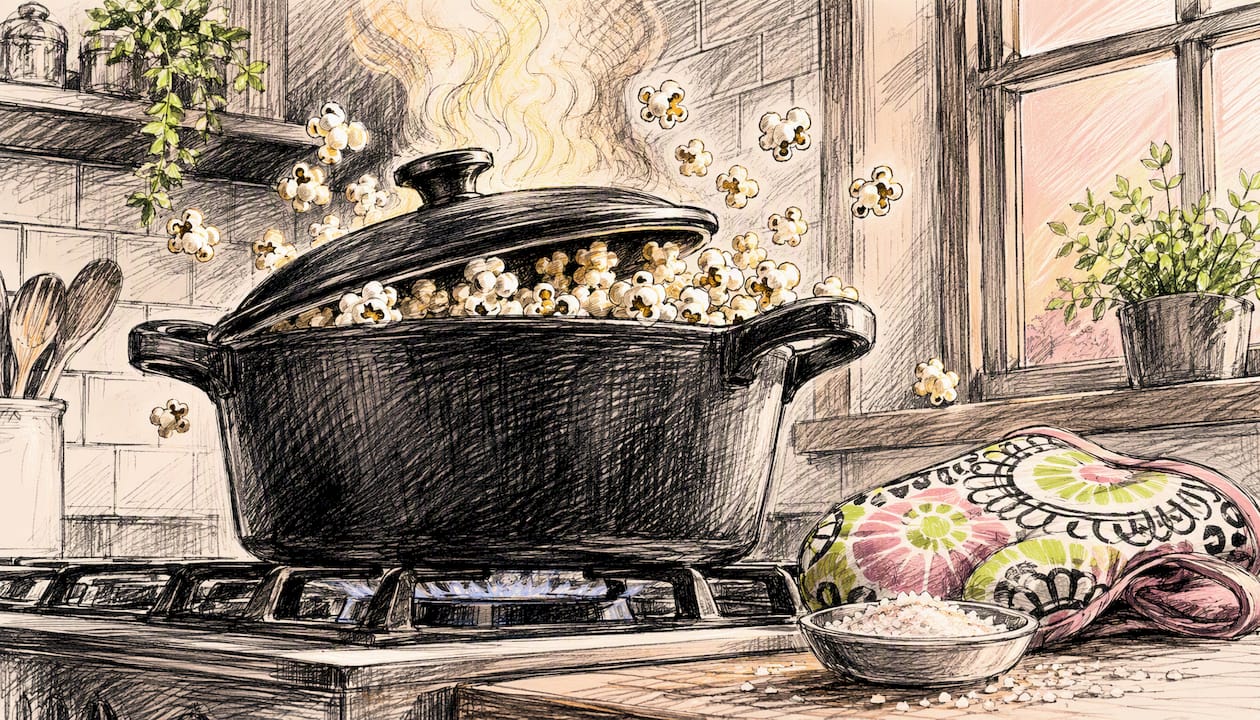
- The 30-second pause. Remove the pan from the heat entirely and count 30 seconds. This step evens out the temperature across all the kernels so they pop almost simultaneously rather than in a long, drawn-out sequence that burns the early ones. Return the pan to the heat after 30 seconds.
- Shake and vent. Once popping begins in earnest, shake the pan gently every 20–30 seconds. Crack the lid slightly to let steam escape. Trapped steam makes popcorn chewy rather than crisp.
- Listen for the end. When pops slow to roughly one every 2–3 seconds, remove the pan from the heat immediately. Do not wait for silence — the residual heat will catch the last few kernels.
- Season at once. Tip into a large bowl, drizzle with melted butter or oil, then add dry seasonings. See the seasoning section below for quantities.
Safety note: The oil and steam are extremely hot throughout this process. Use oven gloves when shaking the pan, keep your face away from the lid vent, and never leave the hob unattended.
Pro Tip: Leaving the lid cracked rather than fully sealed is one of the single most effective things you can do for texture. The venting advice from The Mediterranean Dish is simple but often overlooked: steam is the enemy of crunch.
Can you make popcorn quickly in the microwave?
Yes, and there are two reliable methods: the paper-bag method and the microwave-safe bowl method.
Paper-bag method
- Place 50 g of plain popping kernels into a standard brown paper bag (lunch-bag size).
- Fold the top of the bag over twice to seal it loosely.
- Microwave on full power for 2–3 minutes. Listen carefully: stop the microwave when pops slow to one every 2 seconds. Most microwaves vary, so start checking at 1 minute 45 seconds.
- Open the bag carefully, pointing the opening away from your face. Steam will escape rapidly.
Microwave-safe bowl or silicone popper method
- Place 50 g of kernels in a microwave-safe glass bowl or a dedicated silicone popcorn popper.
- Cover with a microwave-safe plate or the popper’s lid.
- Microwave on full power for 3–4 minutes, stopping when pops slow.
- Leave to stand for 30 seconds before removing the cover.
Safety reminders:
- Never use a metallic bag or foil in the microwave.
- Standard supermarket paper bags are fine; avoid waxed or printed bags.
- The bowl and lid will be very hot. Use oven gloves.
- Do not re-microwave a batch that has stopped popping — the kernels can scorch quickly.
How do you make caramel popcorn step by step?
This method follows the BBC Good Food sweet popcorn recipe with additional aeration tips from Green Plate Pursuits.
You will need: 100 g popped plain popcorn (made using the stovetop method above), 150 g caster sugar, 50 g unsalted butter (or vegan butter), 2 tbsp (30 ml) water, ¼ tsp bicarbonate of soda, a pinch of salt.
- Preheat the oven to 120 °C (fan 100 °C / Gas Mark ½). Line a large baking tray with baking parchment.
- Spread the popcorn in a single layer on the prepared tray and set aside.
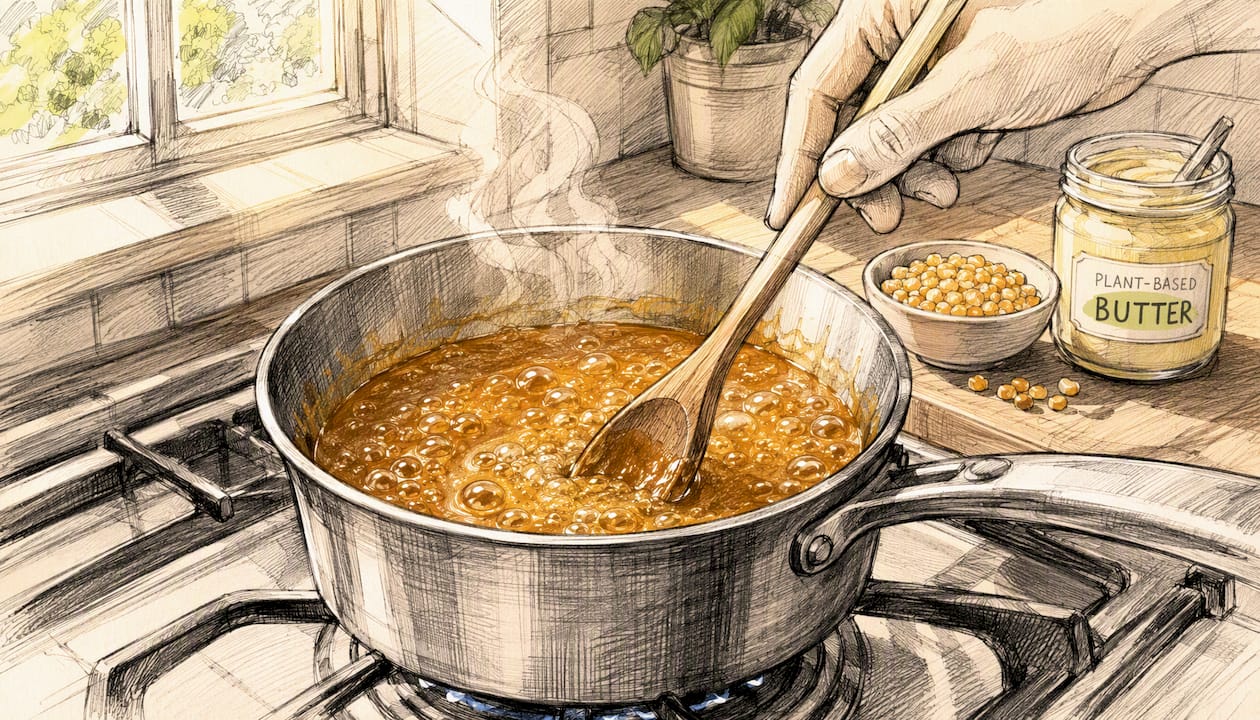
- Make the caramel. Combine the sugar and water in a heavy-bottomed saucepan over a medium heat. Stir gently until the sugar dissolves, then stop stirring. Let it simmer undisturbed for 8–10 minutes until it turns a deep amber colour.
- Add butter. Remove from the heat and add the butter carefully — it will bubble vigorously. Stir until smooth.
- Add bicarbonate of soda. Stir in the bicarbonate of soda quickly. It will foam up. This step aerates the caramel, giving the finished coating a lighter, crunchier texture rather than a hard toffee shell.
- Coat the popcorn. Pour the caramel over the popcorn immediately and toss to coat. Work fast — the caramel sets quickly.
- Bake to set. Place the tray in the oven for 20–25 minutes, stirring once halfway through. This dries out the coating and prevents sogginess.
- Cool completely. Spread the coated popcorn out and leave to cool for at least 20 minutes before eating or storing. It crisps up significantly as it cools.
Safety warning: Hot caramel reaches temperatures above 150 °C and causes serious burns on contact with skin. Use a long-handled spoon, keep children away from the hob during this step, and never touch the caramel directly. For further guidance on safe small-batch sugar boiling, Dudley’s Toffee’s maker’s guide covers caramel handling in useful detail.
Pro Tip: If the caramel seizes or goes grainy, you have likely stirred it after it started boiling. Start again — it is not worth trying to rescue seized caramel for a coating.
Store cooled caramel popcorn in an airtight tin at room temperature for up to 3 days. Avoid the fridge, which introduces moisture and softens the coating.
What are the best seasoning ideas for homemade popcorn?
The single most important rule: add fat to your hot, freshly popped corn first, then add dry seasonings. Bon Appétit’s stovetop guide explains why — dry seasoning applied directly to bare popcorn falls straight to the bottom of the bowl. Fat makes it stick.
Start with 1–2 tbsp (15–30 ml) of melted butter, coconut oil, or olive oil drizzled over the hot popcorn, toss well, then add your chosen dry blend.
Savoury blends (per 100 g popped corn)
- Classic butter and salt: 1 tbsp melted butter, ½ tsp fine sea salt.
- Nutritional yeast “cheese”: 2 tbsp nutritional yeast, ½ tsp garlic powder, ¼ tsp salt. Fully vegan and genuinely satisfying.
- Smoked paprika and cumin: 1 tsp smoked paprika, ½ tsp ground cumin, ¼ tsp salt. Warm and slightly smoky.
- Za’atar and olive oil: 1 tbsp olive oil, 1½ tsp za’atar blend. Earthy and herby, pairs well with a squeeze of lemon.
Sweet finishes (per 100 g popped corn)
- Cinnamon sugar: 1 tbsp melted coconut oil, 1 tsp caster sugar, ½ tsp ground cinnamon.
- Chocolate drizzle: Melt 50 g of dark chocolate and drizzle over cooled popcorn on a lined tray. Leave to set for 15 minutes.
For more creative popcorn mix-ins that survive coating and keep their crunch, Popcornaa’s guide covers combinations worth trying. You can also explore a broader range of sweet and savoury popcorn ideas for guilt-free snacking.
Pro Tip: Taste before you season a second time. Popcorn absorbs salt quickly, and what seems under-seasoned straight from the pan often tastes right after 60 seconds of tossing.
Why does popcorn actually pop?
Understanding the basic physics helps you make better decisions at the hob. Each popcorn kernel contains a small amount of water locked inside a dense starch core, surrounded by a hard outer hull. As the kernel heats up, that internal water turns to steam. Pressure builds until the hull can no longer contain it — at which point the hull ruptures and the superheated starch expands rapidly, turning inside out to form the familiar white puff. The National Agricultural Library’s explanation covers this process in detail.
Two practical takeaways from this:
- Kernel moisture matters. Kernels that have dried out (from poor storage or age) will not build enough internal pressure to pop. Store kernels in an airtight container away from heat and light.
- Pan temperature matters. Too low and the pressure builds slowly, giving you chewy, dense puffs. Too high and the hull burns before the starch can expand properly. Medium-high heat, with the test-kernel check, keeps you in the right range.
How do you fix common popcorn problems?
Troubleshooting checklist
- Too many unpopped kernels: Oil was not hot enough, or kernels are old and dry. Use the test-kernel method next time and store kernels in a sealed jar.
- Burnt popcorn: Heat too high, or you waited too long after pops slowed. Lower the heat slightly and remove the pan the moment pops thin out.
- Chewy, soggy texture: Lid was fully sealed, trapping steam. Crack the lid next time. For caramel popcorn, the oven-setting step was skipped or the popcorn was stored before fully cooling.
- Uneven popping: Pan has hotspots. Switch to a heavier pan, or reduce the kernel quantity so they sit in a single layer.
- Seasoning falling off: Fat was not added before dry seasoning. Drizzle oil or melted butter first, toss thoroughly, then add dry blends.
Storage guidance
- Plain popcorn: Store in an airtight container at room temperature. Best eaten within 2 days; it softens noticeably after that.
- Caramel-coated popcorn: Airtight tin, room temperature, up to 3 days. Do not refrigerate.
- Seasoned savoury popcorn: Airtight bag or container, up to 2 days. Moisture from butter-based seasonings shortens shelf life.
For a deeper look at keeping every batch fresh, Popcornaa’s vegan popcorn storage guide covers both plain and coated varieties in detail.
A personal note on making popcorn at home
There is something genuinely satisfying about making popcorn from scratch. The first time you nail the 30-second pause and hear the whole batch pop in one fast, even burst, it feels like a small revelation. I have made batches with every variation imaginable, from simple sea salt to za’atar and lemon, and the honest truth is that the stovetop method beats everything else for texture and control. Microwave bags are convenient, but they rarely give you that proper crunch.
My personal recommendation: start with the plain stovetop method twice before you attempt caramel. Get comfortable with the heat and the timing. Then, once you trust your pan and your instincts, the caramel recipe becomes much less stressful. Small test batches are your friend here. A 30 g trial run costs almost nothing and tells you everything you need to know about your hob’s hot spots.
Prefer to buy rather than make your own?
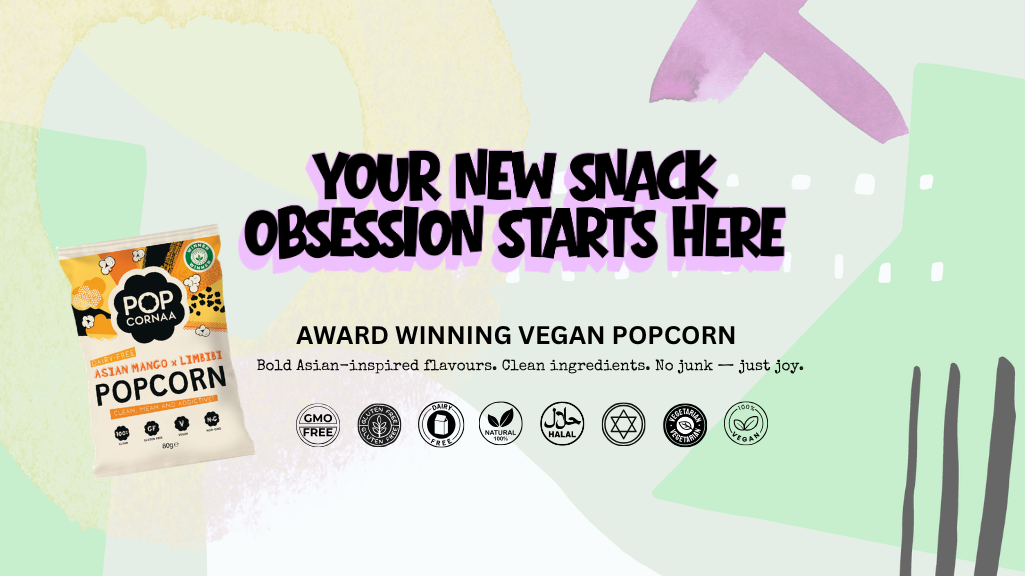
Sometimes you want the flavour without the washing up. Popcornaa’s Asian Fusion Taster Box gives you five bags of gourmet vegan popcorn in a single curated selection, covering Asian-inspired and British flavours that are genuinely difficult to replicate at home. It is a practical option for gifting, parties, or simply trying flavour combinations before you commit to making them yourself.
[ ](https://www.popcornaa.com › pages › asian-fusion-taster-box)
Every flavour in the range is fully vegan and has been recognised at the Great Taste Awards 2024, so you know the quality holds up. Browse the taster box and order directly from Popcornaa’s website.
Sources
The following sources informed this guide and are worth bookmarking for further reading.
- How to make stovetop popcorn - Bon Appétit
- Sweet popcorn recipe | Good Food
- How to make popcorn recipe - BBC Food
- How to Make Perfect Stovetop Popcorn
- How to Make the BEST Stovetop Popcorn (Never Burned!)
- How to Make Stovetop Popcorn Perfectly, Every Time | Budget Bytes
- How does popcorn pop? - National Agricultural Library
- How to Make Sweet and Salty Popcorn: Easy Step-by-Step Guide
- How to Make the Best Popcorn on Your Stovetop - a Hopeful Home
FAQ
How do you make popcorn at home step by step?
Heat 2 tablespoons of oil in a heavy-bottomed pan over a medium-high heat, add 3–4 test kernels, and wait for them to pop. Add 100 g of kernels, remove from heat for 30 seconds, return to heat, shake occasionally with the lid cracked, and remove when pops slow to one every 2–3 seconds.
What ingredients do you need for popcorn?
You need popping kernels (100 g), a high-smoke-point oil such as sunflower or coconut oil (2 tablespoons / 30 ml), and salt to taste. Butter or vegan butter is optional but recommended for seasoning after popping.
How does popcorn pop?
Each kernel contains moisture locked inside a starch core. Heat turns that moisture to steam, pressure builds until the hard hull ruptures, and the starch expands rapidly outward to form the fluffy puff you eat.
How do you stop popcorn from going soggy?
Crack the lid slightly while popping to let steam escape, and never seal the pan fully. For caramel popcorn, bake the coated batch in the oven at 120 °C for 20–25 minutes and allow it to cool completely before storing.