

The sustainable snack buying guide that actually saves you time
Sustainable snack buying means choosing whole, verifiably sourced ingredients in low-waste packaging, backed by certifications you can check rather than claims you have to trust. The single best action you can take right now is to run every snack past a short checklist: proof of sourcing (RSPO segregated, Fairtrade, Soil Association), packaging you can actually recycle or reuse, and an ingredients list you understand. Popcornaa fits this brief as a purchase-ready plant-based option built around exactly these priorities.
You do not need a science degree to shop this way. You need three checks, applied consistently:
- Is there a named, verifiable certification on the pack?
- Is the packaging bulk, refillable, or genuinely recyclable in your area?
- Are the main ingredients whole and traceable, not a long list of processed fillers?
Key Takeaways
Sustainable snack buying works best when certifications, packaging format, and ingredient transparency are checked together rather than any one in isolation.
| Point | Details |
|---|---|
| Certifications first | Look for RSPO segregated, Fairtrade, or Soil Association marks rather than vague “ethical” claims. |
| Packaging beats promises | Bulk and refill formats cut waste more reliably than a recycling logo on a crisp packet. |
| Watch four ingredients | Palm oil, cocoa, soya, and added sugar carry the most sourcing and health risk in snacks. |
| Batch your own snacks | Energy balls, roasted nuts, and trail mix reduce packaging and cost per portion at home. |
| Popcornaa as a shortcut | The vegan, curated Newbie Asian Fusion Taster Box applies these criteria in one ready-made order. |
Practical buying checklist for a sustainable snack shop
Start with certifications that mean something. RSPO segregated palm oil keeps certified oil physically apart from uncertified supplies throughout the supply chain, which is a stronger guarantee than a vague “responsibly sourced” label. Fairtrade and Soil Association marks work the same way: they are audited claims, not marketing copy.
Balance that against nutrition. A snack can carry every certification going and still be loaded with refined sugar, so weigh sourcing credentials against the ingredients panel, not instead of it.
- Check for a named certification (RSPO segregated, Fairtrade, Soil Association, MSC/ASC for marine ingredients).
- Scan the ingredients list for whole foods near the top, not sugar or palm oil derivatives.
- Assess the packaging: bulk, refill, or recyclable content beats single-use plastic film.
- Weigh price against provenance. A higher price is often justified when it funds regenerative farming or fair-pay contracts, not when it just funds branding.
Pro Tip: Keep a mental shortlist of three certifications you trust and look for just one of them on every pack. Trying to verify everything at once is how good intentions collapse in the snack aisle.
How to decode snack labels and certifications
Certifications exist because “natural” and “ethically made” are unregulated phrases that cost a brand nothing to print. A real mark means someone independent checked the claim.
- RSPO segregated (SG): certified palm oil stays physically separate from uncertified oil at every stage, which is the strongest of the RSPO tiers and the one worth looking for specifically.
- Fairtrade: guarantees a minimum price and community premium to producers, mostly relevant for cocoa, sugar, and coffee-adjacent snacks.
- Rainforest Alliance: focuses on farm-level environmental standards and worker conditions, with less emphasis on guaranteed pricing than Fairtrade.
- Soil Association / organic marks: restrict synthetic pesticides and additives, and often correlate with shorter, more traceable supply chains.
- Country-of-origin statements: a genuine provenance claim, naming a specific farm or region, tends to indicate tighter oversight than a generic “sourced globally” line.
Many household snack packets fail on the packaging side even when the ingredients are sound. Crisp packet recyclability is extremely low in most household collection systems, which is worth knowing before you trust a recycling logo printed on the film.
Verify vague claims by checking whether the brand publishes an actual sourcing policy or sustainability report. Companies like Samworth Brothers publish responsible sourcing commitments with specific RSPO segregated targets and deforestation deadlines, which is the level of detail that separates a real policy from a slogan.
Ingredients that deserve extra scrutiny
Four ingredients cause most of the ethical and environmental headaches in the snack aisle, and they are worth checking every time.
- Palm oil: the biggest deforestation risk in snacks when uncertified. Ethical Consumer’s category research treats palm oil sourcing as a decisive factor in ranking brands, recommending RSPO segregated or palm-oil-free options over anything unlabelled.
- Cocoa: shares the same deforestation and labour risk profile as palm oil, and the same fix applies: look for Fairtrade or Rainforest Alliance cocoa specifically, not just “ethically sourced”.
- Soya: a major driver of land conversion when it comes from unverified feed chains, so favour brands that name their soya source or hold organic certification.
- Added sugar: not an environmental issue in the same way, but a long ingredients list padded with sugar syrups and stabilisers is often a proxy for a highly processed product with a longer, murkier supply chain.
A short ingredients list you recognise is usually a better sign than a certification logo standing alone.
Packaging and waste: what actually reduces your footprint
Packaging is where good intentions meet the recycling bin’s limits. The uncomfortable truth is that a lot of what looks recyclable is not, in practice, collected or processed that way.
- Choose bulk or refill formats wherever they exist, since they cut packaging per gram of snack dramatically.
- Look for recycled-content packaging and minimal secondary wrapping (the extra plastic sleeve around a “recyclable” box defeats the point).
- Understand the trade-off: less packaging often means shorter shelf life, so buy only what you will eat within that window to avoid food waste replacing packaging waste.
- Where composting is genuinely supported (some cellulose-based films), check your local council’s guidance rather than assuming.
Pro Tip: Before buying in bulk to “save packaging”, check you will actually finish it. A large bag of stale nuts thrown away wastes more resources than the packaging it replaced.
Coalitions like the UK Plastics Pact are pushing industry toward reusable and recyclable formats, but that shift is slow, and your own choice of refill over single-use still does more, faster, than waiting for policy to catch up.
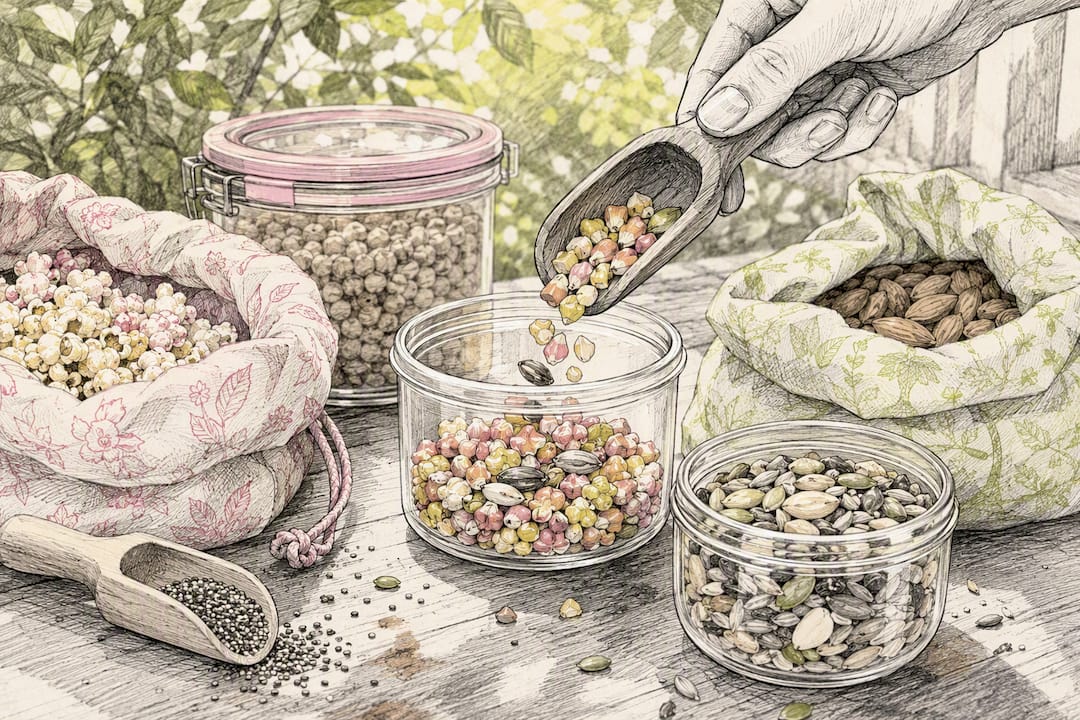
Sustainable snack recipes worth batching at home
Making your own snacks removes packaging from the equation almost entirely, and it is cheaper per portion than most branded alternatives once you buy staples in bulk.
- Energy balls: blend dates, oats, and a nut butter in roughly equal parts, roll into portions, and store in a refillable jar for up to a week. Swap in cocoa powder or dried fruit for variety without changing the base ratio.
- Roasted nut and seed mixes: toss raw nuts and seeds in a little oil, salt, and spice (smoked paprika or nutritional yeast work well), then roast at a low oven temperature until fragrant. Batch-roasting a large tray cuts your cost per snack noticeably.
- Vegan trail mix: combine roasted nuts, seeds, and dried fruit in a 2:1:1 ratio for a balance of fat, protein, and natural sweetness, buying each component loose from a bulk bin rather than pre-mixed.
- Fruit leathers: blend overripe fruit with a squeeze of lemon, spread thin on a lined tray, and dry in a low oven or dehydrator for several hours. They store well rolled in reusable wax wrap.
- Roasted chickpeas: drain, dry, and roast chickpeas with spices for a savoury, protein-forward snack that keeps in an airtight jar for days.
Where to buy sustainable snacks without the guesswork
Independent and direct-from-producer brands generally offer better provenance than mass-market shelves, because a smaller supply chain is easier to audit and easier for a brand to explain honestly.
- Bulk stores and refill shops cut packaging almost entirely and let you buy exactly the quantity you need.
- Subscription and online specialist retailers often publish sourcing detail that a supermarket shelf label cannot fit, so check the “about” or sourcing page before buying.
- Supermarket own-brand can be a reasonable choice when the retailer publishes measurable RSPO or organic coverage targets, but treat unbacked claims with more scepticism than you would give an independent brand’s specific supplier list.
- If you want a deeper sense of why sourcing local and direct from producers matters, Wild Foodz sets out the practical case for ordering from local chefs and producers in a way that applies just as well to snacks as to meals.
What Popcornaa does differently on sourcing and packaging
Popcornaa’s range of plant-based popcorn flavours is built entirely vegan, which removes a whole category of animal-derived sourcing questions from the start.
- Product pages set out where ingredients come from and why, rather than relying on a single trust badge.
- Interactive tools, including a flavour quiz and published customer reviews, help you match a snack to your actual preferences instead of guessing from packaging alone.
- Curated boxes reduce impulse buying of single-use snack packets by grouping flavours into one lower-waste order.
Small habits beat a full overhaul
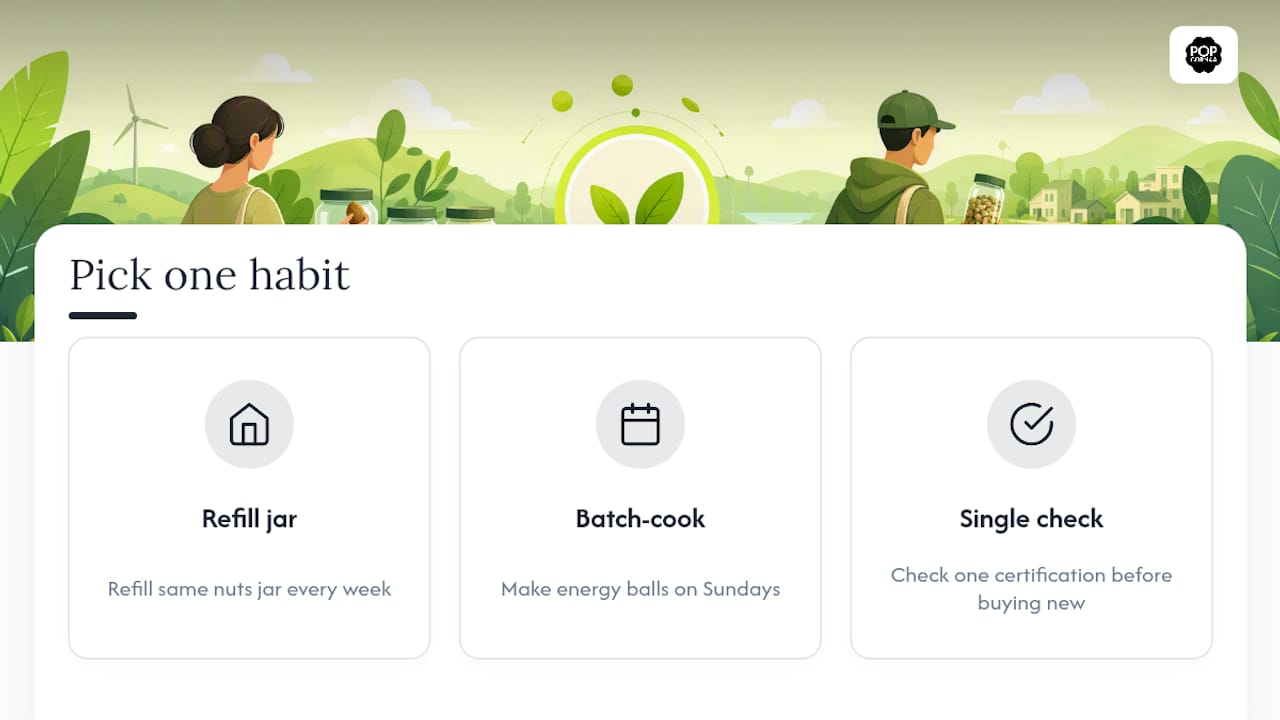
I do not certify every snack in my cupboard, and neither should you try to. What works is picking one habit and sticking with it: I refill the same jar for nuts every week, batch-cook energy balls on Sundays, and check for a single certification before buying anything new. Gradual change compounds. Perfection does not.
Try Popcornaa’s Newbie Asian Fusion Taster Box
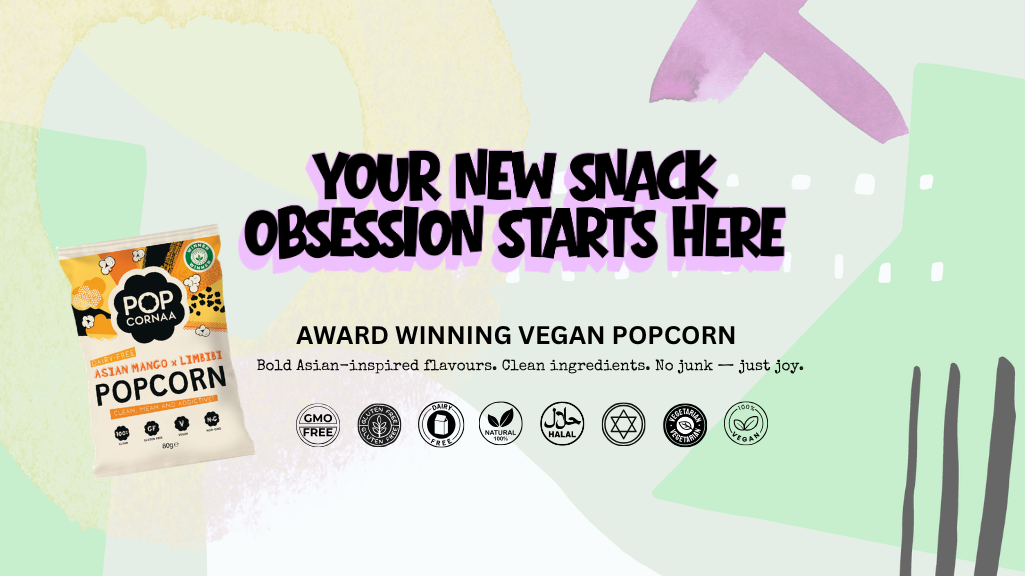
If you want a ready-made way to put this checklist into practice without cooking anything yourself, the Newbie Asian Fusion Taster Box is a genuinely useful place to start. It bundles five vegan popcorn flavours into one order, which cuts down on the packaging and delivery footprint of buying five separate snacks, and every flavour is plant-based by default, so you are not scanning ingredient lists for hidden animal products.
[ ](https://www.popcornaa.com › pages › asian-fusion-taster-box)
It suits anyone testing whether plant-based, lower-waste snacking actually fits their week before committing to a full switch. Order the taster box, see which flavours you reach for again, and build your next order around those rather than guessing.
Sources
RSPO segregated sourcing, FDF nature handbook, crisp packet recycling data, and Ethical Consumer’s biscuits guide.
- ABF: Jordans purposeful pioneers (responsible sourcing mention)
- North London Waste Authority: crisp packet recycling concerns
- Ethical Consumer: biscuits shopping guide (sourcing and palm oil analysis)
FAQ
What does “sustainable snack buying” actually mean?
It means prioritising verified sourcing certifications, low-waste packaging, and whole ingredients over unverified marketing claims.
Is RSPO segregated better than standard RSPO certification?
Yes, RSPO segregated keeps certified palm oil physically apart from uncertified supplies throughout the supply chain, which is a stronger guarantee than mixed or mass-balance certification.
Are crisp packets recyclable at home?
Generally no. Most household collection systems cannot process crisp packet film, despite what some packaging symbols suggest.
Is Popcornaa a genuinely plant-based snack option?
Yes, Popcornaa’s entire popcorn range is vegan, and product pages set out ingredient sourcing detail rather than relying on a single badge.
Is buying in bulk always more sustainable?
Only if you finish what you buy. Bulk formats cut packaging significantly, but food waste from over-buying can cancel out that benefit.