

The real role of vegan snacks in health
TL;DR:
- Thoughtfully chosen vegan snacks, rich in fiber, protein, healthy fats, and micronutrients, support overall health.
- Varying snack ingredients from different plant food groups prevents nutrient gaps and enhances nutritional benefits.
- Choosing minimally processed, whole-food options over heavily packaged products maximizes energy stability and digestive health.
Vegan snacks are defined as plant-derived foods consumed between meals that contain no animal products, and their role in health extends well beyond simple hunger management. The nutritional value of vegan snacks, when chosen thoughtfully, includes meaningful contributions of dietary fibre, plant-based protein, healthy fats, and key micronutrients such as iron and magnesium. Dietitians, nutritionists, and food researchers increasingly recognise that plant-based snack options support digestive health, sustained energy, and long-term well-being. The impact of vegan snacks on health is not automatic, though. It depends heavily on what you choose, how those snacks are prepared, and whether you vary them enough to cover your nutritional bases.
What nutritional benefits do vegan snacks provide?
The principal benefit of vegan snacking is improved overall nutrient intake, not simply the removal of animal ingredients from your diet. That distinction matters enormously. A packet of heavily processed vegan crisps technically qualifies as plant-based, but it delivers very little of what your body actually needs between meals.
Whole-food plant-based snacks, by contrast, offer a genuinely impressive nutritional profile:
- Dietary fibre. Health professionals recommend 25 or more grams of dietary fibre daily to support digestion and cardiovascular health, yet most adults fall well short of this target. A single serving of roasted chickpeas provides approximately 3.8g of fibre, making them one of the most efficient snack choices available.
- Plant-based protein. Edamame, hemp seeds, peanut butter, and lentil-based snacks all contribute meaningful protein. The key is combination. Pairing roasted edamame with hemp seeds in a trail mix, for example, boosts total protein content significantly compared to eating either food alone.
- Healthy fats. Nuts and seeds such as almonds, walnuts, chia seeds, and sunflower seeds provide unsaturated fats that support brain function, hormone balance, and the absorption of fat-soluble vitamins including A, D, E, and K.
- Micronutrients. Many vegan snacks are naturally rich in iron (pumpkin seeds, lentils), magnesium (dark chocolate, cashews), and B vitamins (nutritional yeast, fortified snack bars). These nutrients are often under-consumed in standard Western diets.
The nutritional value of vegan snacks is genuinely broad, but only when you move beyond the processed options that dominate supermarket shelves. Whole foods are where the real benefit lies.
How do vegan snacks support digestive health and energy regulation?

Digestive health and energy stability are two areas where plant-based snacking consistently outperforms conventional snacking, and the mechanism is largely fibre-driven. Gut-friendly fibre feeds beneficial bacteria in the large intestine, supports regular bowel movements, and contributes to a feeling of fullness that reduces overeating at main meals.
Fruits, vegetables, and legumes also carry significant water content, which adds to satiety without adding calories. This combination of fibre and water is one reason why snacking on apple slices with almond butter or carrot sticks with hummus tends to keep hunger at bay far longer than a bag of refined crackers.
“Whole-food vegan snacks tend to be lower in refined sugars and higher in natural sugars accompanied by fibre, providing sustained energy without blood sugar spikes.” Vegan snacks nutritional value
This matters practically. When you eat a snack high in refined sugar, your blood glucose rises sharply and then drops, leaving you tired and reaching for something else within the hour. Natural sugars in whole fruit, paired with fibre, release energy gradually. The result is stable focus and energy rather than the familiar mid-afternoon slump.
High protein vegan snacks combined with fibre and healthy fats keep energy stable and support muscle recovery throughout the day. This is particularly relevant if you exercise regularly or work long hours without reliable access to full meals.
Pro Tip: If you find your energy dipping around 3pm, try swapping your usual snack for a combination of a small handful of walnuts and a piece of whole fruit. The fat, fibre, and natural sugar work together to carry you through to dinner without a crash.
You can read more about how fibre and water content work together in snacks on the Popcornaa blog’s guide to vegan snacking for energy.
Why does variety matter when choosing plant-based snacks?
Variety in vegan snacking is not a lifestyle preference. It is a nutritional requirement. Frequent consumption of a narrow range of plant foods risks nutrient gaps and reduces the health benefits you would otherwise gain from a more diverse diet. Eating the same roasted almonds every single day, however nutritious they are, will not cover your full micronutrient spectrum.
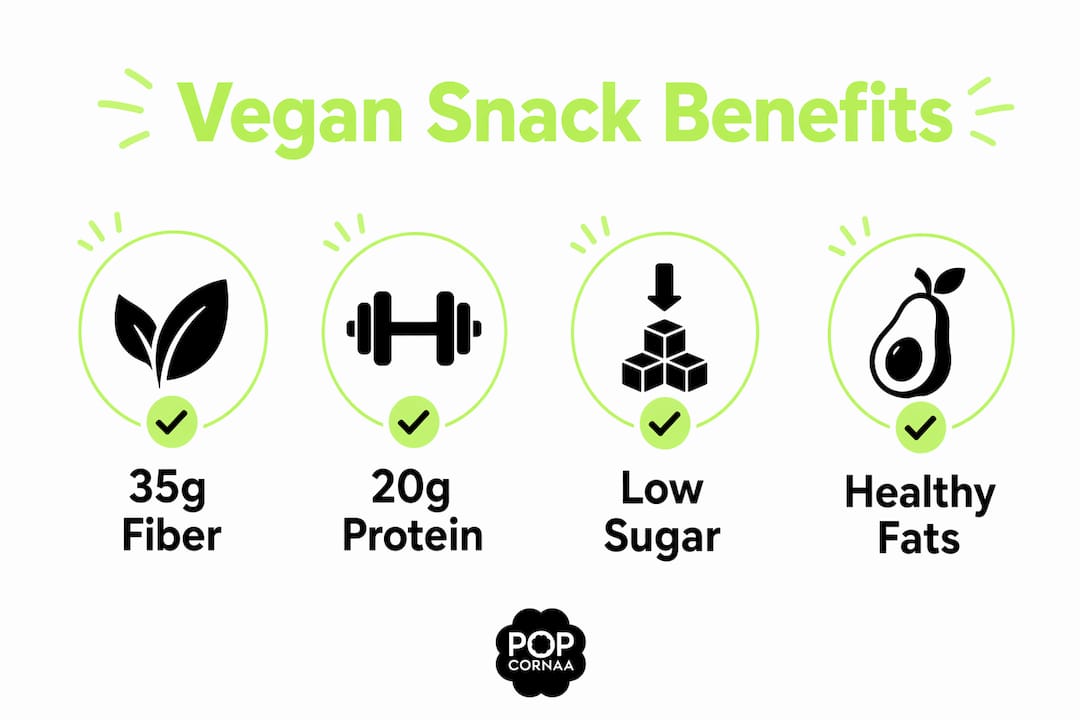
The recommendation from plant-based nutrition researchers is to aim for at least two servings from distinct plant food groups within each snack. That could mean pairing a grain-based cracker with a legume-based dip, or combining seeds with fresh fruit. Each food group brings a different set of phytonutrients, antioxidants, and minerals to the table.
It is also worth understanding the difference between minimally processed and heavily processed vegan snacks:
| Snack type | Processing level | Nutritional value |
|---|---|---|
| Roasted chickpeas (home-made) | Minimal | High fibre, protein, iron |
| Fresh fruit with nut butter | None | Natural sugars, healthy fats, vitamins |
| Vegan protein bar (branded) | Moderate | Variable; check added sugars |
| Vegan crisps (flavoured, packaged) | High | Often low fibre, high sodium |
| Popcorn (air-popped, lightly seasoned) | Minimal | Whole grain, fibre, low calorie |
Marketing labels can mislead. A product labelled “vegan” or even “plant-based” does not automatically mean it is nutrient-dense. Focus on whole foods for appetite regulation and genuine health benefit. The label is a starting point, not a guarantee.
For inspiration on choosing minimally processed options, Popcornaa’s guide to gluten-free vegan snack ideas covers a wide range of whole-food choices worth exploring.
How to incorporate vegan snacks into daily life for better health
Knowing the benefits of vegan snacks is one thing. Building them into your actual routine is another. The good news is that practical incorporation does not require elaborate meal prep or specialist ingredients.
-
Pair for protein and fibre. Never snack on a single food if you can help it. Combine a protein source with a fibre source at every snack. Rice cakes with tahini, apple with almond butter, or hummus with cucumber all follow this principle. Combining snack ingredients is the single most effective way to prevent energy dips between meals.
-
Portion with intention. A small handful of mixed nuts (roughly 30g) is a satisfying, nutrient-dense snack. A large bowl of the same nuts is a significant calorie load. Portioning in advance, whether into small containers or reusable bags, removes the guesswork and prevents mindless overeating.
-
Prepare legumes properly. If you roast your own chickpeas or lentils at home, rinsing canned legumes before roasting reduces excess sodium significantly and produces a crisper final texture. It takes thirty seconds and makes a real difference to both flavour and nutrition.
-
Allow cooling time. After roasting legumes, cooling for 30 minutes is the step most people skip. It is the step that determines whether your chickpeas are genuinely crunchy or disappointingly soft. Patience here pays off.
-
Rotate your snack repertoire weekly. Write a short list of five to seven snack combinations and rotate through them across the week. This builds variety automatically without requiring daily decision-making. You can find practical ideas for workday snacking in Popcornaa’s guide to healthy vegan snacks for work.
Pro Tip: Batch-roast a tin of chickpeas on Sunday evening with harissa or smoked paprika. Store them in an airtight container and use them throughout the week as a crunchy, high-fibre snack that genuinely satisfies.
For those who prefer ready-made options, the quality of ingredients and the absence of refined sugars are the two factors worth scrutinising on any label. Traditional preparation methods, such as those explored in Indian snack-making techniques, often produce naturally high-fibre, plant-based snacks with minimal processing.
Key takeaways
The role of vegan snacks in health is determined by fibre content, ingredient variety, and processing level, not simply by the absence of animal products.
| Point | Details |
|---|---|
| Fibre is the foundation | Aim for snacks providing at least 3g of fibre per serving to support digestion and energy. |
| Protein pairing prevents crashes | Combine a protein source with a fibre source at every snack to maintain stable energy. |
| Variety closes nutrient gaps | Rotate across at least two plant food groups per snack to cover your micronutrient needs. |
| Processing level determines quality | Choose minimally processed whole foods over heavily packaged options regardless of vegan labelling. |
| Preparation details matter | Rinsing legumes and allowing cooling time after roasting improves both nutrition and texture. |
What I have noticed about vegan snacking that most articles miss
I have spent a good deal of time thinking about what actually changes when people shift to plant-based snacking, and the honest answer is that the transformation is quieter than most expect. It is not a dramatic overnight shift. It is the gradual realisation that you are no longer reaching for a second snack an hour after the first one. That your digestion feels calmer. That your energy through the afternoon is steadier.
What stopped me in my tracks when I first started exploring this properly was how many people assume that buying a vegan label is the same as buying a healthy snack. It is not. The vegan snack market has grown enormously, and with that growth has come a wave of heavily processed products that happen to contain no animal ingredients but are loaded with refined sugar, palm oil, and artificial flavourings. They are technically vegan. They are not doing your health any favours.
The snacks that genuinely move the needle are the simple ones. Roasted seeds. Fresh fruit with a protein source. Air-popped popcorn with a thoughtful seasoning. The less a snack has been interfered with, the more it tends to give back nutritionally. That is not a complicated principle, but it is one that gets lost in the noise of marketing.
My honest advice is to treat your snack choices with the same care you give your main meals. Read the ingredient list. Prioritise whole foods. And do not underestimate how much a well-chosen snack can do for your focus, your mood, and your overall sense of well-being across the day.
— Emily
Discover Popcornaa’s vegan snack selection
If you are looking for a ready-made option that takes the guesswork out of healthy vegan snacking, Popcornaa has done the work for you.
[ ](https://www.popcornaa.com › pages › asian-fusion-taster-box)
The Asian Fusion Taster Box is a curated five-bag selection of gourmet vegan popcorn, air-popped and lightly seasoned with bold, clean-label flavours inspired by Asian cuisine. Each bag is free from refined sugars and artificial additives, making it a genuinely nutritious option for health-conscious snackers. If you prefer to build your own selection, the custom snack pack lets you mix and match flavours to suit your preferences. Both options are available to order directly from Popcornaa online.
FAQ
Are vegan snacks actually healthy?
Vegan snacks are healthy when they are based on whole, minimally processed plant foods such as legumes, nuts, seeds, and fruit. Heavily processed vegan products can still be high in refined sugar and sodium, so checking the ingredient list remains important.
What are the best vegan snacks for sustained energy?
Snacks that combine protein, fibre, and healthy fats provide the most sustained energy. Examples include roasted chickpeas, apple with almond butter, edamame, and air-popped popcorn with seeds. Protein and fibre together prevent the blood sugar spikes that cause energy crashes.
How much fibre should a vegan snack contain?
Health professionals recommend a daily fibre intake of 25 grams or more, and a well-chosen snack should contribute at least 3 to 4 grams toward that target. Roasted chickpeas, for example, provide approximately 3.8g of fibre per serving.
Can vegan snacks support weight management?
Yes. The high fibre and water content in whole-food plant-based snacks increases satiety, which reduces overall calorie intake across the day. Choosing snacks with natural sugars and fibre rather than refined sugars also prevents the hunger rebound that follows blood sugar spikes.
How do I avoid nutrient gaps when snacking on plant-based foods?
Variety across plant food groups is the most reliable way to prevent nutrient gaps. Aim to include at least two distinct plant food groups in each snack, such as a grain paired with a legume, or a seed combined with fresh fruit, and rotate your choices throughout the week.