

The role of vegan snacks in a balanced diet
TL;DR:
- Modern vegan snacks go beyond taste, supporting health goals like gut health, sustained energy, and ethical sourcing. Combining fiber, fat, and protein in snacks enhances satiety, making them more satisfying and functional. Always check ingredient lists and third-party certifications to ensure snacks are genuinely vegan, nutritious, and free from hidden animal-derived ingredients.
Most people assume vegan snacks are either a sad bowl of carrot sticks or an overpriced chocolate bar with a leaf on the packaging. Both assumptions are wrong. The role of vegan snacks in modern eating has shifted considerably, moving well beyond simple indulgence or dietary restriction. Today, plant-based snacking occupies a genuine functional space, supporting gut health, sustained energy, protein intake, and ethical sourcing. This article unpacks what that actually means for you, how to shop wisely, and why getting this right is simpler than you might think.
Key takeaways
| Point | Details |
|---|---|
| Functional snacking is rising | Modern vegan snacks increasingly deliver protein, gut health support, and blood sugar stability, not just taste. |
| Pairing matters for satiety | Combining fibre, fat, and protein in one snack keeps hunger at bay far longer than single-ingredient options. |
| Vegan does not mean safe by default | Hidden animal-derived ingredients and allergens can appear in labelled vegan products; ingredient literacy is non-negotiable. |
| Short ingredient lists win | Fewer, recognisable ingredients on the back of a packet are a reliable signal of quality and honest formulation. |
| Ethics and enjoyment can coexist | Choosing snacks aligned with your values does not require sacrificing flavour or satisfaction. |
The role of vegan snacks in health and function
The conversation around plant-based snacking has moved on. Snacking is now a lifestyle practice delivering nourishment and functional benefits, with 74% of consumers actively switching to higher quality snack brands motivated by gut health, blood sugar stability, and energy. That is a meaningful shift, and vegan snacks are right at the centre of it.

What does “functional” actually mean in this context? It means a snack that does something useful for your body beyond filling a gap between meals. Think gut-friendly fibre from chickpea-based crisps, slow-release energy from roasted edamame, or plant protein from snacks like tempeh chips. Protein-rich vegan snacks such as Hippeas Protein Crunch deliver 8g of pea protein per serving, which is meaningful for anyone trying to hit daily macro targets without dairy.
The ingredient trends are equally telling. Sales data from 2026 shows that snacks featuring super-mushrooms grew 48% year-on-year, collagen alternatives grew 80%, hemp protein rose 41%, and super-greens gained 10%. These are not niche curiosities. They reflect a consumer base that wants snacks to earn their place in the diet.
The benefits of vegan snacking, when done well, include:
- Sustained energy from complex carbohydrates and plant proteins rather than refined sugars
- Gut-friendly fibre from legumes, wholegrains, and seeds that supports digestive health
- Clean ingredient profiles with fewer artificial additives and preservatives
- Blood sugar stability when fat and protein are paired with fibre-rich carbohydrates
- Protein contribution from pea, hemp, soy, and tempeh-based formats
Pro Tip: If you are looking for vegan snacks for energy that last through a working afternoon, look for options where plant protein and fibre both appear in the top four ingredients. That combination is what actually keeps you going.
For more ideas on pairing energy with taste, the healthy vegan snack ideas for work guide from Popcornaa offers some genuinely practical suggestions.
Culinary uses and smart pairing strategies
Here is something that rarely gets said plainly: most people feel unsatisfied after a vegan snack because they choose one-dimensional options. A single ingredient, however nutritious, rarely satisfies for long. The fix is straightforward and it comes down to what nutritionists sometimes call the satiating triangle. Pair fibre, fat, and protein together and you are far less likely to be raiding the cupboard 45 minutes later.
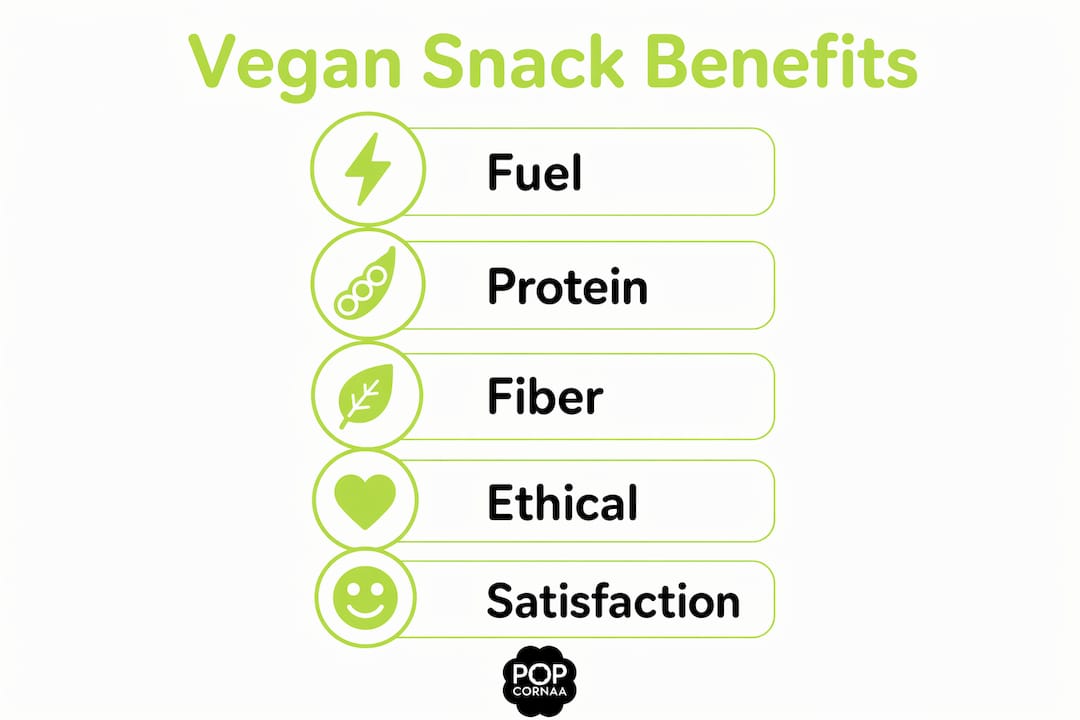
The culinary uses of plant-based snacks extend well beyond “grab and go.” They can anchor a mid-morning reset, complement a work desk lunch, or serve as a considered post-exercise recovery option. The format matters as much as the ingredients.
Here are four pairing strategies worth building into your snacking habits on a vegan diet:
-
Hummus with raw vegetables. Chickpeas provide protein and fibre; the fat comes from tahini in the hummus. Crunchy cucumber, pepper, and celery add volume without spiking blood sugar. It is satisfying in a way that rice cakes alone simply are not.
-
Nut butter with sliced apple or banana. The fruit provides quick-release natural sugars and fibre, while the nut butter contributes fat and protein to slow digestion. This pairing is genuinely filling for two to three hours.
-
Tempeh-based snacks eaten as a standalone. Tempeh chips are positioned as protein-rich, meat-free alternatives to crisps, combining satisfying crunch with genuine satiety. The fermentation process also adds a gut-health dimension many conventional snacks cannot offer.
-
Flavoured popcorn with a small handful of nuts. This is an underrated combination. The popcorn brings whole-grain fibre and satisfying volume; the nuts contribute fat and protein. Together, they create a snack that feels indulgent but functions far better than either eaten alone.
Pro Tip: When exploring new vegan savoury snack formats, try the vegan savoury snack recipes section on the Popcornaa blog. It shows how flavour and function can meet without any compromise.
Balancing taste and function is not about being precious. It is about making choices that leave you genuinely satisfied, which in turn makes the whole vegan snacking habit feel sustainable rather than punishing.
Ethical considerations and what vegan actually means
This is where things get a little more serious, and it is worth paying attention. “Vegan” on a label is a source claim, not a safety guarantee. The FSSAI framework makes clear that vegan certification addresses the absence of animal-origin materials and requires ingredient traceability and manufacturing controls. It says nothing about allergen management, contaminant levels, or nutritional quality.
That distinction matters because ethical consumers deserve honest information. A snack can carry a vegan badge and still be nutritionally poor, cross-contaminated with allergens, or made using processes that raise their own ethical questions.
Here are the most common hidden animal-derived ingredients to watch for in seemingly vegan snacks:
- Whey and casein: Dairy proteins found in flavour coatings, especially on popcorn and crisps
- Milk powder and lactose: Common in “cheese flavour” seasonings and some sweet coatings
- Gelatin: Used as a binding or glazing agent in some confectionery-style snacks
- Carmine (E120): A red food colouring derived from insects, found in some fruit-flavoured products
- Honey: Appears in granola bars, nut mixes, and “natural” flavour blends
The table below clarifies what vegan certification covers and what it does not:
| What vegan certification covers | What it does not cover |
|---|---|
| Absence of animal-origin ingredients | Allergen cross-contamination risks |
| Ingredient and process traceability | Nutritional quality or calorie content |
| Manufacturing separation from animal products | Environmental or labour sourcing ethics |
| Compliance with source-based regulatory standards | Food safety contaminant controls |
Flavoured and coated snack variants are particularly prone to reformulation, meaning a product that was vegan last year may not be today. Checking every time is not paranoia. It is sensible practice.
For those navigating allergens alongside vegan requirements, the Popcornaa resource on gourmet snacks for allergen-sensitive diets is a helpful starting point.
How to choose vegan snacks wisely
Knowing the importance of plant-based snacks is one thing. Shopping for them well is another. The front of a packet is marketing. The back is information. Always start there.
Practical guidance for choosing healthy vegan snack options:
- Read the ingredient list before anything else. If you cannot pronounce half the ingredients or the list runs to 20 items, that is a signal worth heeding.
- Look for third-party certification. Vegan Society, Certified Vegan, and similar marks require independent verification. Front-of-pack “vegan-friendly” claims do not.
- Count the ingredients. Fewer is generally better. A roasted chickpea snack with five ingredients is almost always preferable to a “superfood bar” with 22.
- Check the protein and fibre content on the nutrition panel. For a snack to genuinely support vegan snacks and weight loss goals or energy management, aim for at least 3g of protein and 2g of fibre per serving.
- Choose plain over flavoured when in doubt. Plain versions of snacks are safer for vegan adherence because coatings and seasonings are where animal derivatives most commonly hide.
Prioritising short ingredient lists and third-party certifications over front-of-pack marketing claims is the most reliable approach for confident vegan shopping. It takes about thirty extra seconds per product and genuinely changes the quality of what ends up in your basket.
The Popcornaa guide to top trending vegan flavours for 2026 is also worth a browse if you want to understand which formats are leading on both taste and ingredient integrity right now.
My honest take on vegan snacking
I have been thinking about food honestly for a long time, and one thing that stopped me in my tracks was how much stress people carry into snacking. The idea that every bite needs to be perfect, ethically sourced, nutritionally optimised, and Instagram-worthy is exhausting. It also puts people off before they even begin.
What I have found, genuinely, is that vegan snacks are hiding in plain sight. Most people already eat several accidentally vegan snacks every week without realising it. The shift is not as dramatic as it seems from the outside.
My practical lessons come down to a few things. Pairing your food groups, even loosely, is simple and it works. You do not need a nutrition degree. Hummus and crisps is already halfway there. Add a handful of nuts and you have got the full triangle. It takes seconds.
I also think health claims should complement your ethical motivations, not replace them entirely. If you care about animal welfare or environmental impact, those reasons are worth keeping front of mind. Health benefits are a welcome bonus, not the only justification.
And finally: enjoy it. A snack that feels punishing is not sustainable. The best vegan snacks I have come across are the ones where flavour is the headline and the functional benefits are simply part of how the product is made. That balance is possible. It just takes a little curiosity to find it.
— Emily
Discover Popcornaa’s gourmet vegan popcorn
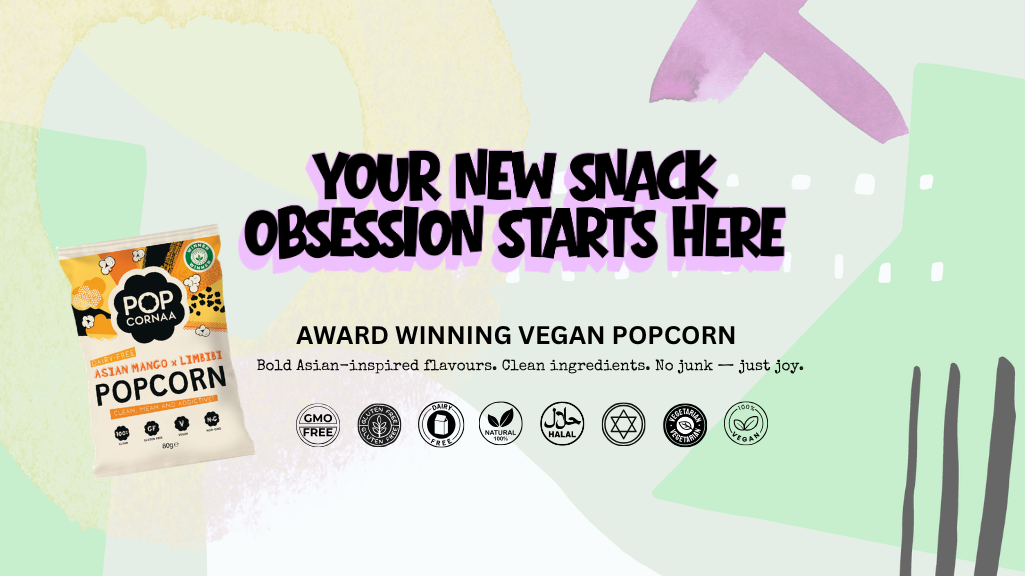
If you have been looking for an easy, genuinely delicious entry point into better vegan snacking, Popcornaa is worth exploring. The range is built around clean-label, dairy-free gourmet popcorn with flavours that span Asian-inspired profiles and bold British classics. Every product is free from refined sugar coatings that mask animal derivatives, and the ingredient lists are refreshingly short.
[ ](https://www.popcornaa.com › pages › asian-fusion-taster-box)
The Newbie Asian Fusion Taster Box is a five-bag selection that lets you try the range without committing to a single flavour. It is a genuinely fun way to explore what plant-based snacking can taste like when flavour is taken seriously. Popcornaa has also received Great Taste Awards recognition, which reflects the care that goes into formulation and sourcing. Whether you are new to vegan snacking or looking to add something more interesting to your routine, this is a straightforward place to start.
FAQ
What is the main role of vegan snacks?
Vegan snacks serve multiple roles: providing functional nutrition through plant protein and fibre, supporting ethical food choices, and contributing to sustained energy and gut health between meals.
Are vegan snacks automatically healthier?
Not always. Vegan simply means no animal-origin ingredients; it says nothing about sugar content, calorie density, or nutritional quality. Reading the ingredient list and nutrition panel is still necessary.
How do I know if a vegan snack is genuinely vegan?
Look for third-party certification such as the Vegan Society trademark, and always check the full ingredient list. Flavoured and coated products are most likely to contain hidden animal derivatives like whey or carmine.
Can vegan snacks help with weight management?
Yes, when chosen well. Snacks combining fibre, fat, and protein improve satiety and reduce the likelihood of overeating at mealtimes. Options with fewer than 200 calories per serving and meaningful protein content support this most effectively.
What are the best vegan snacks for sustained energy?
Options that pair complex carbohydrates with plant protein work best, such as roasted chickpeas, tempeh chips, nut butter with fruit, or flavoured popcorn alongside a small portion of nuts.