

Top vegan snack trends shaping the UK in 2026
The top vegan snack trends in the UK right now centre on three things: wholefood ingredients, bold flavour, and genuine nutritional value. Chickpea puffs, popped lotus seeds, roasted pulses, and gourmet vegan popcorn are no longer niche curiosities tucked away in health food shops. They are sitting alongside mainstream crisps in Tesco, Ocado, and Holland & Barrett, and people are genuinely choosing them.
Here is what is leading the charge right now:
- Hippeas Organic Chickpea Snacks have become one of the most visible success stories in plant-based snacking, built around protein-rich chickpeas and a short, readable ingredient list
- Ombar Acai & Blueberry chocolate brings antioxidant-rich, dairy-free indulgence to the snack bar space, appealing to consumers who want something genuinely nourishing alongside the treat
- Popcornaa gourmet vegan popcorn bridges the gap between indulgence and clean eating, with Asian-inspired and Brit-Core flavour collections that make plant-based snacking feel exciting rather than virtuous
The broader shift is towards snacks that earn their place on nutritional merit, not just by being “free from” something. Roasted pulses, popped seeds, functional bars, and flavour-forward popcorn are all gaining ground because they deliver on taste and health at the same time. Sustainability and ingredient transparency are no longer bonus features. For a growing share of UK shoppers, they are the baseline expectation.
How big is the UK plant-based snack market, and what is driving it?
The numbers tell a clear story. The UK healthy snacks market is projected to grow from £3.54 billion in 2025 to £5.89 billion by 2035, at a compound annual growth rate of approximately 5.27%. Plant-based snacks represent the largest and fastest-growing segment within that figure.
| Metric | Detail |
|---|---|
| Market value (2025) | £3.54 billion |
| Projected market value (2035) | £5.89 billion |
| Projected CAGR | Approx. 5.27% |
| Consumers seeking healthier/greener snacks | 62% of UK shoppers |
| Sustainability as a purchase factor (Gen Z) | 72% |
62% of UK consumers now actively seek snacks that are better for them and better for the environment. That is not a niche preference. It is a majority behaviour reshaping how supermarkets allocate shelf space.
Three forces are driving this growth. First, protein interest has moved well beyond gym culture. Everyday shoppers want satiation, and plant-based snacks made from chickpeas, lentils, and seeds deliver meaningful protein where traditional crisps offer almost none. Second, allergen awareness is pushing consumers towards naturally gluten-free formats. Pulse and seed-based snacks often sidestep common allergens without any reformulation. Third, sustainability has shifted from a marketing claim to a genuine purchase driver, particularly among younger shoppers. Sustainability influences 45% of UK shoppers overall, rising to 72% among Gen Z.
Economic pressures have also shaped the category. Stretched household budgets pushed shoppers towards retail over out-of-home eating, which actually benefited packaged snack sales. As those pressures ease, analysts expect consumers to trade up towards premium plant-based options.
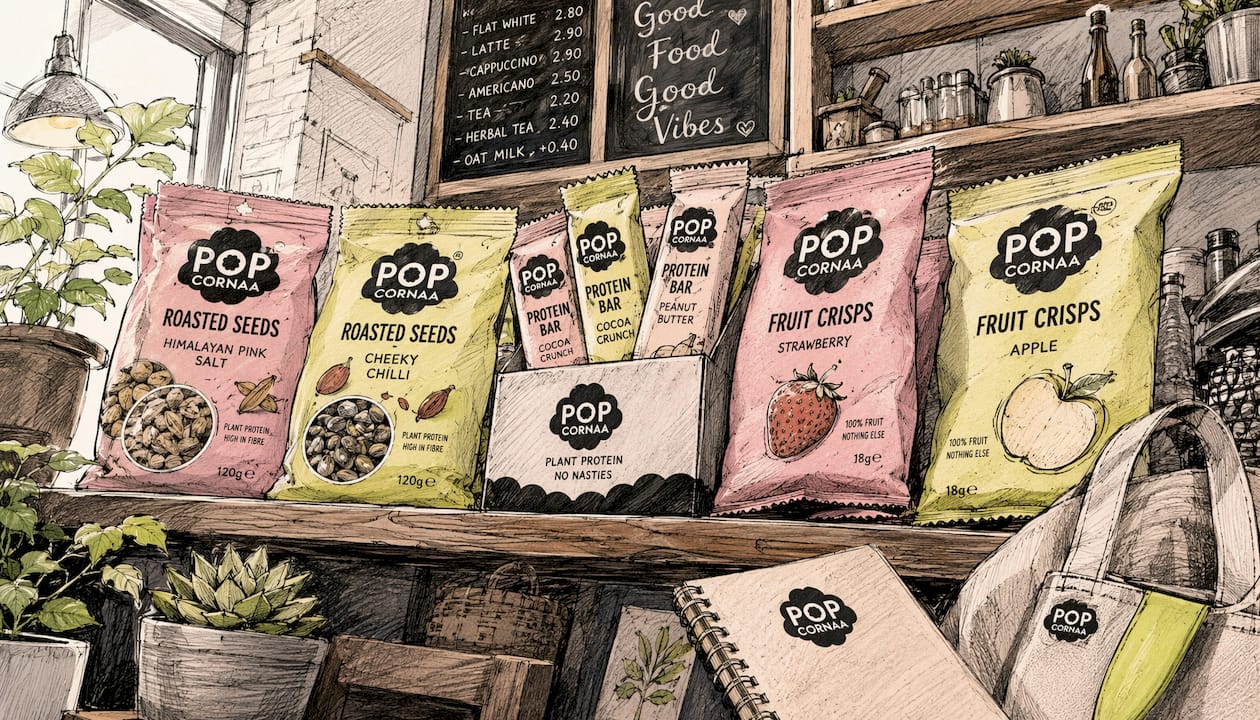
Why health and sustainability motivate UK consumers to choose vegan snacks
Plant-based snack consumers are not simply avoiding animal products. They are actively building a diet around what researchers call the “super six”: vegetables, fruit, legumes, nuts, seeds, and wholegrains. Snacks that contribute to weekly plant diversity, rather than just filling a hunger gap, sit at the heart of this approach.
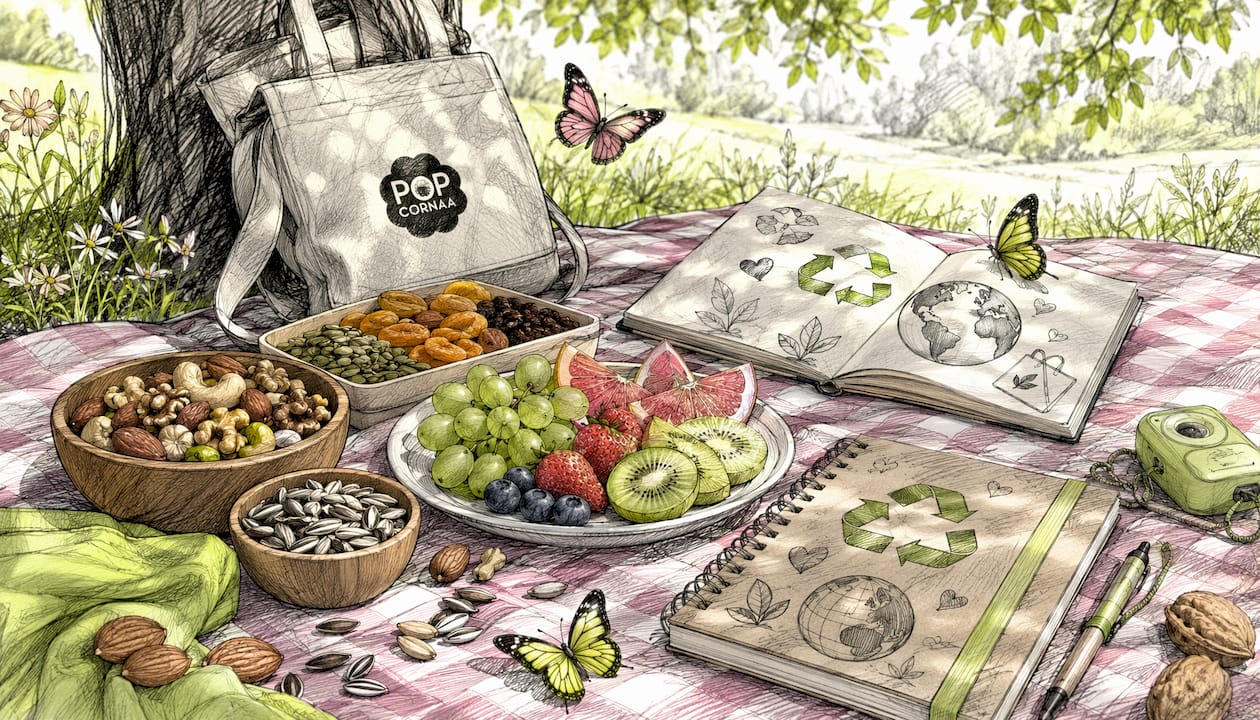
The nutritional case is strong. Nuts, seeds, and pulses deliver healthy fats, protein, fibre, and antioxidants in a single handful. Lotus seeds, for instance, contain kaempferol, an antioxidant with anti-inflammatory properties, alongside a low glycaemic index that supports blood sugar management. These are not fortified benefits added in a factory. They are inherent to the ingredient.
Clean labels are central to this. 67% of UK adults associate long ingredient lists with ultra-processed foods, and 77% find products with fewer ingredients more appealing. That is a direct signal to brands: simplicity builds trust. The ultra-processed food conversation is not fading. If anything, media coverage has made shoppers more alert to synthetic additives, emulsifiers, and artificial flavourings.
Environmental motivation runs alongside health. Lower carbon footprints, reduced water use, and ethical sourcing all factor into purchase decisions, especially for consumers under 35. Vegan snacks that can demonstrate traceable sourcing and minimal processing carry a genuine competitive advantage.
What vegan snack categories and flavours are trending right now?
The category has fragmented in a way that would have seemed unlikely five years ago. Buyers now distinguish between pulse-based snacks, seed-based snacks, vegetable crisps, and protein snacks as entirely separate segments. That level of specificity signals a maturing market.
Leading categories:
- Chickpea puffs (led by Hippeas Organic Chickpea Snacks): protein-rich, light, and available across major UK retailers
- Popped lotus seeds (makhana): naturally gluten-free, vegan, high in protein, with a mild nutty flavour that takes seasoning well
- Roasted pulses and beans: bold-flavoured alternatives to conventional crisps, with meaningful fibre and protein content
- Gourmet vegan popcorn: Popcornaa’s Asian Flavourz and Brit-Core Flavourz collections show how popcorn has moved far beyond salted or sweet into genuinely adventurous territory
- Snack bars with clean labels: the UK snack bar market is predicted to grow at 7.86% annually, with 47% of British adults preferring on-the-go bars with added protein, fibre, and clean-label claims
- Ombar Acai & Blueberry: a standout in the dairy-free chocolate snack space, combining antioxidant fruit with ethically sourced cacao
Flavour profiles gaining momentum:
- Swicy (sweet and spicy): gochujang, sriracha, and harissa are crossing from restaurant menus into snack packaging. Synergy data shows 49% growth in sweet and spicy flavours across plant-based products
- Umami: miso, black garlic, mushroom, and yeast extract are replacing salt-heavy seasoning as the flavour delivery mechanism of choice
- Global inspiration: Korean barbecue, Thai green curry, katsu, and seaweed flavours are performing well because they feel genuinely adventurous rather than tokenistic
Pro Tip: When exploring new vegan snack formats, look for products where the flavour comes from the ingredient itself rather than added flavouring. Miso-seasoned chickpeas or tamari-roasted nuts deliver umami naturally, which tends to mean a shorter ingredient list and a more satisfying taste.
What Popcornaa’s research reveals about UK vegan snack preferences
What strikes us at Popcornaa, having worked closely with UK plant-based snack consumers, is how much expectations have shifted around authenticity. It is no longer enough to be vegan. Shoppers want to know the story behind the flavour.
Our experience building the Asian Flavourz and Brit-Core Flavourz collections reflects a broader truth: UK consumers are genuinely curious about global taste profiles, but they want those flavours delivered through clean, recognisable ingredients. Not artificial flavouring that approximates something exotic. Actual miso. Real tamari. Genuine spice blends with traceable origins.
UK consumers increasingly expect authentic flavour experiences in vegan snacks, alongside clean labels and clear brand transparency. The brands winning shelf space and repeat purchases are those that can deliver indulgence without compromising on ingredient integrity.
Retail analysts describe current plant-based snack success as grounded in wellness and transparency rather than novelty. That resonates with what we see in our own customer conversations. People are not just buying a snack. They are making a small, daily statement about what they value.
A few things we are watching closely:
- Premiumisation: shoppers are willing to pay more for better ingredients, provided the quality is visible and verifiable
- Flavour as identity: collections built around a culinary heritage (Asian, British, Middle Eastern) are outperforming generic “healthy” positioning
- Ingredient transparency: customers read labels more carefully than ever, and brands that hide behind vague “natural flavourings” are losing trust
Pro Tip: If you are discovering new vegan snacks and want to understand what makes a flavour genuinely authentic, compare the ingredient list against the flavour name. If the ingredient that gives the snack its character appears in the top three ingredients, that is a good sign.
How social media and influencers are shaping vegan snack trends
TikTok and Instagram have become genuine product discovery engines for plant-based snacks. The Dubai chocolate trend, which went viral and triggered a wave of pistachio chocolate launches across the UK, is a recent example of how quickly a social moment can translate into supermarket shelf space. Brands that can generate that kind of visual, shareable moment have a real advantage.
Younger consumers, particularly those aged 16–34, are especially influenced by creator content around ingredient transparency and health claims. 78% of 16–34-year-olds look for snacks delivering specific health benefits, and many first encounter those products through influencer recommendations rather than in-store. A well-placed review from a trusted food creator can move a product from unknown to sold-out faster than any traditional advertising campaign.
The flip side is scrutiny. Social media also amplifies criticism of brands caught using misleading health claims or opaque ingredient lists. Authenticity is not just a brand value. It is a commercial necessity.
Are vegan snack trends the same across the UK?
Not entirely. London and the South East remain the most active markets for premium plant-based snacks, with independent health food retailers, specialist delis, and urban convenience stores stocking a wider range than most regional areas. Cities like Manchester, Bristol, Edinburgh, and Leeds have strong plant-based communities and good independent retail infrastructure, which means new products often find their first loyal customers there before reaching national distribution.
Outside major urban centres, availability can still be patchy. Mainstream supermarkets carry a growing range, but the depth of choice in a rural Tesco differs noticeably from what you will find at an Ocado delivery or a Whole Foods in London. That gap is narrowing as brands like Hippeas achieve broader national distribution, but it has not closed yet.
Scotland and Wales show growing interest in locally produced plant-based snacks, with provenance and regional identity becoming selling points alongside health credentials. For brands like Popcornaa, the shift towards sustainable snack brands with clear ethical credentials resonates across all regions, even where premium pricing requires more justification.
What challenges and opportunities do vegan snack brands face in the UK?
The opportunity is real and growing. Established crisp and popcorn brands have strong untapped potential to move into better-for-you snacks by incorporating nuts, seeds, and pulses with functional benefits. The consumer permission is there. Shoppers who trust a familiar brand are open to trying its healthier variants, provided the taste holds up.
The challenges are equally real. Price sensitivity remains a barrier. 52% of UK consumers say they would pay more for healthier snack attributes, but cost-of-living pressures mean that premium pricing faces scrutiny at the shelf. Brands need to make the value case clearly and quickly.
Distribution is the other major hurdle. Moving from specialist health retailers to mainstream grocery requires significant investment in logistics, packaging, and retailer relationships. Many promising indie brands stall at this transition. Those that succeed, as the trajectory of several pulse and seed brands shows, tend to do so by building a loyal direct-to-consumer base first, then using that proof of demand to negotiate with major retailers.
Regulatory pressure around HFSS (high in fat, salt, and sugar) rules is also reshaping the category. Brands that have built products around genuinely clean ingredients are better positioned than those that relied on flavouring and salt to deliver taste.
What does the future hold for plant-based snacking?
The direction is clear, even if the pace is uncertain. Plant-based food sales in the UK have returned to growth, with volume demand for chilled plant-based food growing by 1.7% in the most recent 12-week period. High-protein ingredients like tofu and tempeh have seen growth of more than 10% at Tesco alone. The category is no longer recovering from a post-novelty dip. It is building on a more durable foundation.
Flavour innovation will intensify. The current range of global-inspired profiles will expand, with adaptogens, functional mushrooms, and fermented ingredients likely to appear in mainstream snack formats within the next few years. Formats that feel genuinely exciting rather than “healthified” will win. Consumers want indulgence on their own terms, as Vievé’s CEO put it: more protein, less sugar, and formats that do not feel boring.
Consolidation is coming too. Larger food companies are already acquiring successful independent plant-based brands. For smaller brands, the window to build genuine consumer loyalty before that consolidation arrives is now. For shoppers, it means the reasons vegan snacks are popular will only multiply as more investment flows into the category.
You can also explore seasonal vegan menu ideas to see how plant-based eating extends well beyond snacking into full meal occasions throughout the year.
Try Popcornaa’s gourmet vegan popcorn
[ ](https://www.popcornaa.com › pages › asian-fusion-taster-box)
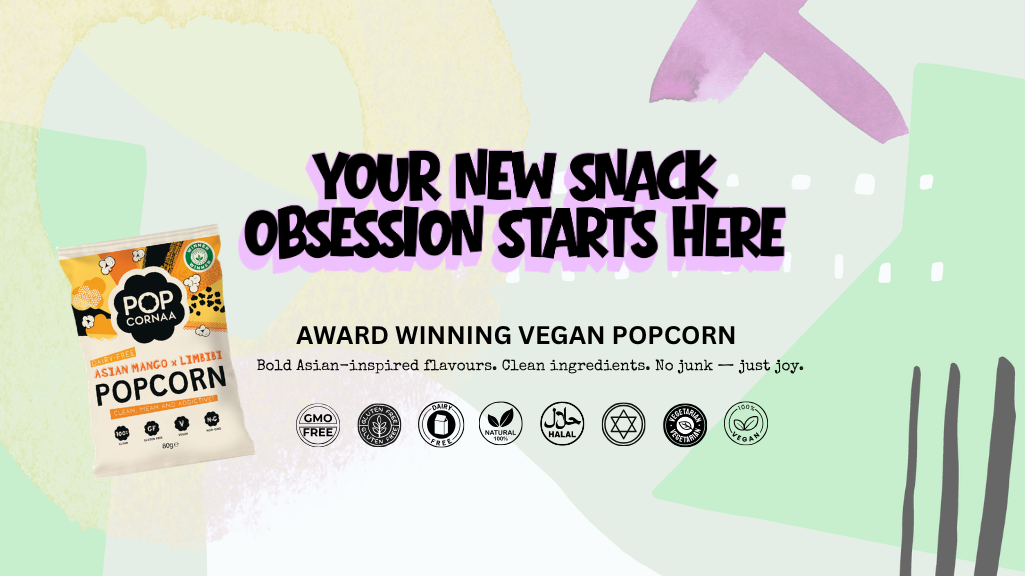
If you want to experience what genuinely clean, flavour-forward vegan snacking tastes like, Popcornaa’s gourmet vegan popcorn is a good place to start. The Asian Flavourz and Brit-Core Flavourz collections are built on real ingredients, short lists, and flavours that actually surprise you. For sharing occasions, the 5-litre sharing buckets make a genuinely impressive centrepiece. And if you want to give someone the gift of discovering their own favourites, Popcornaa’s digital gift vouchers are available for instant delivery.
Key takeaways
The UK plant-based snack market is growing steadily toward £5.89 billion by 2035, driven by consumers who want snacks that deliver real nutrition, authentic flavour, and transparent ingredients.
| Point | Details |
|---|---|
| Market growth trajectory | UK healthy snacks market projected to reach £5.89bn by 2035, growing from £3.54bn in 2025. |
| Consumer demand driver | 62% of UK shoppers actively seek snacks that are better for health and the environment. |
| Clean label importance | 77% of snack eaters find fewer-ingredient products more appealing, making simplicity a trust signal. |
| Leading snack categories | Chickpea puffs, popped lotus seeds, roasted pulses, and gourmet vegan popcorn lead current growth. |
| Flavour innovation | Swicy, umami, and globally inspired profiles are replacing salt-heavy seasoning as the dominant trend. |
FAQ
What are the most popular vegan snacks in the UK right now?
Chickpea puffs, roasted pulses, popped lotus seeds, dairy-free chocolate bars, and gourmet vegan popcorn are among the most popular options. Brands like Hippeas Organic Chickpea Snacks and Popcornaa have built strong followings by combining genuine nutritional value with bold flavour.
Is veganism growing or declining in the UK?
Plant-based food sales in the UK have returned to growth, with volume demand for chilled plant-based products growing by 1.7% in the most recent 12-week period. The Vegan Society describes the category as being “in good health,” with momentum now grounded in lasting dietary change rather than short-term novelty.
What is the most popular vegan junk food?
Vegan popcorn and chickpea puffs sit at the top of the indulgent-but-clean category. Products like Popcornaa’s flavoured popcorn collections deliver the satisfying crunch and bold seasoning of traditional junk food without refined sugar, dairy, or artificial additives.
Which everyday snacks are surprisingly vegan?
Many plain crisps, certain crackers, dark chocolate, and some cereal bars are naturally vegan without being marketed as such. The shift worth noting is that purpose-built vegan snacks now taste as good as their conventional counterparts, which is why shoppers are choosing them deliberately rather than by accident.