

Vegan snack trends explained: what's driving the shift
TL;DR:
- The vegan snacks market is expanding rapidly due to increasing consumer demand for nutritious and flavorful plant-based foods. People seek snacks with high protein, fiber, and functional ingredients, often choosing natural, minimally processed options. Evolving eating habits emphasize sensory pleasure and emotional comfort, driving innovation in ingredients and product formats.
The global plant-based snacks market is defined by accelerating consumer demand for food that delivers both nutrition and genuine flavour. Understanding vegan snack trends means recognising how health priorities, ingredient science, and emotional eating habits have converged to reshape what people reach for between meals. The plant-based snacks market was valued at approximately $45.7 billion in mid-2026 and is projected to reach $100.5 billion by 2036. That scale of growth does not happen by accident. It reflects a fundamental change in how people think about snacking, health, and what they put into their bodies.
What drives the popularity of vegan snacks among health-conscious consumers?
Vegan snack preferences have moved well beyond simple curiosity about plant-based eating. Consumers now seek snacks that actively contribute to their health, and the market has responded with products built around measurable nutritional benefits.
Protein and fibre content sit at the top of most buyers’ checklists. Chickpea crisps, edamame bites, and lentil puffs all deliver meaningful protein per serving without animal ingredients. Gut-friendly fibre from whole pulses supports digestive health, which matters enormously to people managing energy levels throughout the day. The clean-label demand has also reshaped formulation, with consumers expecting shorter ingredient lists and transparency in production alongside solid nutritional quality.
Functional fortification is the next frontier. SPINS Q1 2026 data shows that snacks with hemp protein grew 41% year-over-year, super mushroom snacks grew 48%, and collagen-featuring snacks grew 80%. These numbers reveal that buyers are not just avoiding animal products. They are actively seeking ingredients with specific health functions, from cognitive support to immune resilience.
The key nutritional drivers shaping vegan snack choices right now include:
- High protein content from pea, fava bean, and chickpea sources
- Gut-friendly fibre from whole pulses and ancient grains
- Functional ingredients such as hemp protein, lion’s mane mushroom, and adaptogenic herbs
- Clean labels with fewer than ten recognisable ingredients
- Low glycemic index profiles for sustained energy rather than sugar spikes
Pro Tip: When reading a vegan snack label, count the ingredients. Truly nourishing options tend to stay close to their natural form. If refined oils or added sugars appear in the first three ingredients, the product leans more towards indulgence than nutrition.
Many vegan snacks labelled healthy still contain refined oils, sugars, and long ingredient lists. Whole-food-based options that remain closer to their natural form deliver the most consistent nutritional value. Knowing this distinction is what separates a genuinely health-supporting choice from clever marketing.
How have sensory and emotional aspects influenced vegan snack trends?
Taste alone no longer closes the sale. A 2026 study by Mondelez International found that consumers choose snacks based on multi-sensory criteria, including visual appeal, texture, and emotional comfort, in addition to flavour. That finding stopped me in my tracks when I first read it, because it confirmed what I had been observing in the snack market for years.
The emotional dimension of snacking is real and significant. Stress relief, nostalgia, and the sense of reward are all active purchasing motivations. A bag of perfectly seasoned popcorn does not just satisfy hunger. It delivers a moment of comfort after a long day. Vegan snack producers who understand this are building products that speak to both the body and the mind.
“Consumers no longer separate indulgence from wellness. Many seek snacks that satisfy emotional needs as much as health goals, blending comfort and nutrition into a single eating occasion.”
Mondelez International, State of Snacking Report, 2026
Texture plays a particularly powerful role in sensory satisfaction. The crunch of a roasted chickpea, the chew of a dried mango slice, and the airy pop of gourmet popcorn each trigger different sensory responses. Producers are now engineering texture with the same rigour they apply to flavour. Understanding the full sensory experience of a snack, from its visual presentation to its finish on the palate, is what separates memorable products from forgettable ones.
Visual appeal matters more than most people admit. Bright natural colours from turmeric, beetroot, and spirulina signal freshness and quality before a single bite is taken. Snack formats that photograph well also perform better on social media, which feeds back into purchase decisions for younger buyers.
What innovative ingredients and technologies are shaping vegan snacks today?
The ingredient base for vegan snacks is undergoing a genuine transformation. Manufacturers are moving away from monocrops like wheat and soy toward drought-resistant ancient grains and pulses such as sorghum, millet, and lupini beans. These ingredients offer better texture profiles and lower glycemic indices than conventional bases. The shift also reflects a broader concern about agricultural resilience and ingredient biodiversity.
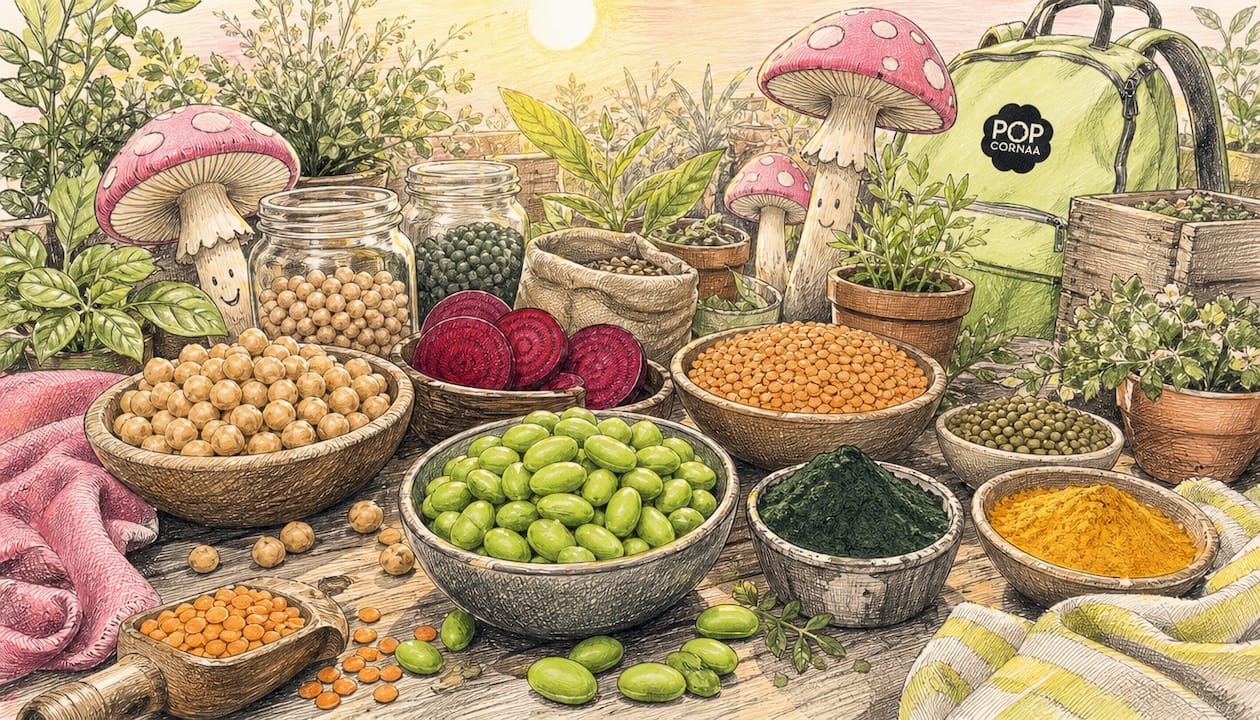
High-moisture extrusion is the technology making the biggest difference in texture innovation. Plant proteins like pea, fava bean, and chickpea are processed through this method to recreate textures that mimic the chew of jerky or the snap of collagen-based snacks. The result is a vegan product that satisfies what food scientists call “primal cravings” for substantial, chewy textures. This technology has removed one of the last remaining objections to plant-based snacking: that it feels insubstantial.
| Ingredient or technology | What it delivers |
|---|---|
| Sorghum and millet | Lower glycemic index, better crunch, drought-resistant sourcing |
| Lupini beans | High protein, prebiotic fibre, firm texture |
| High-moisture extrusion | Meat-like chew from plant proteins without animal binders |
| Nootropic mushrooms | Cognitive support, adaptogenic benefits, umami flavour |
| Natural antioxidants | Replace synthetic preservatives, extend shelf life cleanly |
Nootropic and adaptogenic ingredients represent the most forward-looking trend in vegan snack formulation. Lion’s mane mushroom supports cognitive function. Ashwagandha reduces cortisol. Reishi supports immune health. These are no longer niche supplement ingredients. They are appearing in mainstream snack formats, from popcorn seasonings to roasted nut blends. You can read more about innovative vegan flavours emerging in the UK market to see how this plays out in practice.
Pro Tip: Look for snacks that list their functional ingredients by name rather than hiding them in “natural flavouring.” If a product claims adaptogenic benefits, the specific mushroom or herb should appear clearly on the label.
How are evolving eating behaviours impacting vegan snack consumption?
Snacking frequency has risen sharply. Research from june 2026 shows that 79% of consumers snack daily and 42% snack two to three times daily. This shift toward what researchers call “intentional grazing” means snacks are no longer fillers between meals. They are planned nutritional occasions in their own right.
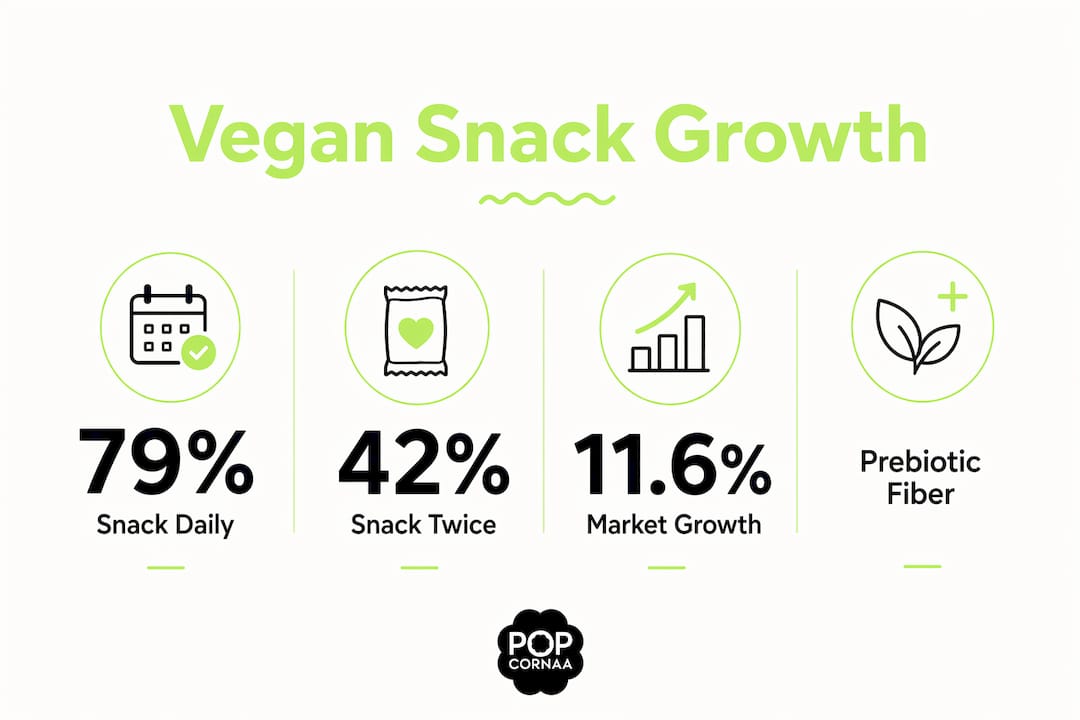
This behavioural change is reshaping product development. Portion-smart formats, such as single-serve bags and measured snack packs, are growing because consumers want to manage their intake without sacrificing satisfaction. The GLP-1 and weight management trend is pushing the market further toward concentrated nutrition in smaller sizes that deliver sustained fullness. A 30g bag of lupini beans, for example, can deliver more protein and fibre than a standard cereal bar at half the calorie count.
| Behaviour shift | What consumers want | Product response |
|---|---|---|
| Intentional grazing | Nutrient-dense, planned snacking | Fortified single-serve formats |
| Portable snacking | Easy to carry, no refrigeration | Shelf-stable popcorn, roasted pulses |
| Gut health focus | Prebiotic and probiotic support | Fermented snacks, high-fibre options |
| Energy management | Sustained release, no sugar crash | Low-GI ancient grain bases |
| Ethical consumption | Transparent sourcing, sustainability | Clean-label, whole-food ingredients |
Gut health is a particularly strong motivator for the health-conscious buyer. Prebiotic fibre from chickpeas and lentils feeds beneficial gut bacteria. Fermented snack formats, such as miso-seasoned rice crackers, deliver live cultures alongside flavour. For anyone managing energy levels across a busy working day, these choices make a real difference. Exploring healthy vegan snacks for work shows how portable, nutrient-dense options fit naturally into daily routines.
Key takeaways
The vegan snack market is growing because consumers demand products that deliver nutrition, sensory satisfaction, and ingredient transparency in equal measure.
| Point | Details |
|---|---|
| Market growth is substantial | The plant-based snacks market is projected to reach $100.5 billion by 2036, growing at up to 11.6% annually. |
| Nutrition drives purchase decisions | Protein, fibre, and functional ingredients like hemp and adaptogenic mushrooms are the top consumer priorities. |
| Sensory experience matters equally | Texture, visual appeal, and emotional comfort influence buying decisions as much as nutritional content. |
| Ingredient innovation is accelerating | Ancient grains, lupini beans, and high-moisture extrusion are replacing conventional bases and synthetic binders. |
| Eating habits have fundamentally shifted | 79% of consumers snack daily, making snacks a planned nutritional occasion rather than an afterthought. |
What I have learned from watching this market closely
I will be honest with you. When I first started paying close attention to vegan snack trends, I assumed the growth was mostly driven by ethics. People going vegan, people caring about animals. And yes, that matters. But what actually stopped me in my tracks was realising how much of the growth is driven by people who are not vegan at all.
The flexitarian buyer is the real engine here. Someone who eats meat but wants a cleaner, lighter snack option. Someone managing their weight, their gut health, or their energy levels. These buyers do not care about labels. They care about how a snack makes them feel. That insight changed how I think about choosing and recommending vegan snacks entirely.
My honest advice is this: ignore the front-of-pack claims and go straight to the ingredient list. If you see whole foods in the first three ingredients, you are on solid ground. If you see refined oils or syrups, you are buying a product that happens to be vegan, not one that is genuinely good for you. The sustainability and sourcing practices behind a product matter too, and the best brands make these easy to find.
The most exciting part of this market right now is the flavour creativity. Asian-inspired seasonings, British-rooted flavour profiles, and global fusion combinations are making vegan snacks genuinely exciting to eat. That is the part I never expected. Vegan snacking used to feel like a compromise. Now it feels like the most interesting corner of the food market.
— Emily
Popcornaa’s vegan snack range and what it reflects
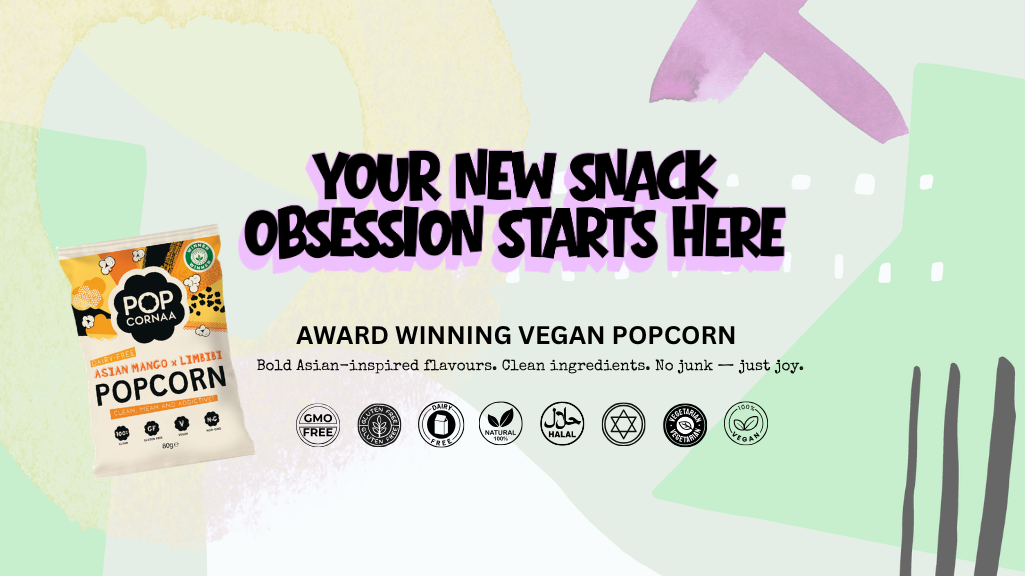
Popcornaa sits squarely within the trends shaping the vegan snack market right now. Its focus on gourmet flavour, clean ingredients, and Asian-inspired and British profiles reflects exactly what health-conscious buyers are seeking in 2026.
[ ](https://www.popcornaa.com › pages › asian-fusion-taster-box)
The Newbie Asian Fusion Taster Box brings together five distinct vegan popcorn flavours, making it a practical way to explore trending plant-based snack profiles without committing to a single flavour. For anyone wanting to gift a health-conscious friend or family member, Popcornaa’s digital gift vouchers offer a flexible and thoughtful option with instant delivery. Both reflect the market’s shift toward snacks that combine real flavour with genuine quality.
FAQ
What are vegan snacks, exactly?
Vegan snacks are food products made entirely from plant-based ingredients, containing no meat, dairy, eggs, or other animal-derived components. They range from roasted pulses and fruit-based bars to gourmet popcorn and ancient grain crisps.
Why are vegan snacks trending so strongly right now?
The plant-based snacks market is growing at up to 11.6% annually, driven by demand for clean-label nutrition, functional ingredients, and snacks that support gut health and sustained energy. Flexitarian buyers, not just vegans, are the primary growth engine.
How do I choose a genuinely healthy vegan snack?
Check the ingredient list rather than front-of-pack claims. Whole-food-based snacks with fewer than ten recognisable ingredients and no refined oils or added sugars in the first three positions deliver the most consistent nutritional value.
What functional ingredients should I look for in vegan snacks?
Hemp protein, lion’s mane mushroom, ashwagandha, and prebiotic fibre from chickpeas and lupini beans are the most evidence-backed functional additions appearing in vegan snack formulations in 2026.
How often do people actually snack each day?
Research from june 2026 shows that 79% of consumers snack daily and 42% snack two to three times daily, confirming that snacking has become a planned nutritional habit rather than an occasional indulgence.