

Portioned Gourmet Popcorn and Easy Swaps for a Healthy Sweet Snack
A healthy sweet snack is a small, nutrient-dense or wholefood treat that pairs sweetness with fibre, protein or healthy fat, so it satisfies cravings without spiking blood sugar. Think Greek yoghurt with berries, or a modest square of 70% dark chocolate alongside a cup of lightly seasoned, air-popped popcorn. The rule of thumb is simple: favour wholefoods, keep added sugar low, and never let sweetness travel alone.
TL;DR:
- Most healthy sweet snacks include pairing natural or minimally processed foods like fruit, dairy, or dark chocolate with fibre, protein, or healthy fats to blunt blood sugar spikes.
- Portion control and label reading are essential, as many so-called healthy options contain hidden added sugars, processed ingredients, or allergens like nuts and gluten.
- Combining sweet foods with protein or fibre not only reduces sugar absorption but also helps satisfy cravings longer, reducing the risk of overeating.
- Inexpensive and quick ideas include Greek yoghurt with berries, fruit with nut butter, or air-popped popcorn dusted with cinnamon or a light drizzle of honey.
- Using portioned, packaged gourmet popcorn like PopCornaa offers a convenient, controlled way to enjoy a low-calorie, wholegrain sweet snack.
What makes a sweet snack “healthy”?
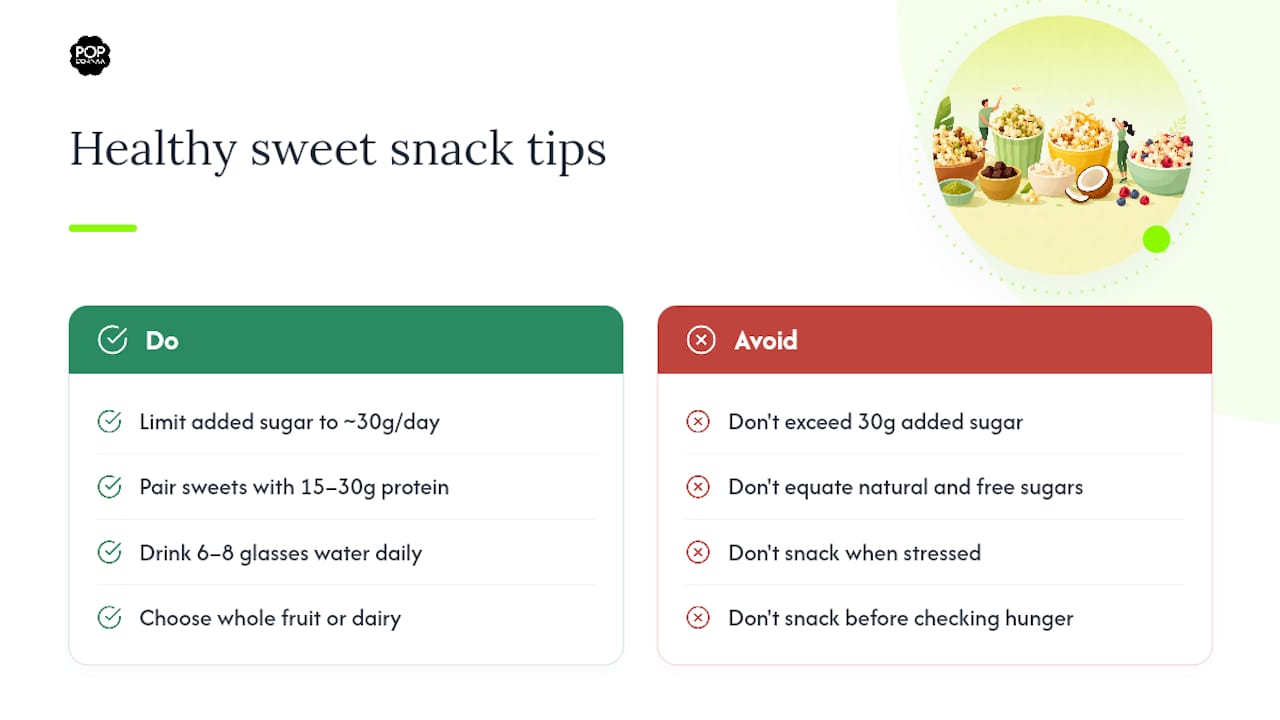
The UK’s own guidance sets the benchmark: adults should keep added sugar to around 30g a day, roughly 5% of total calories. Cross that regularly and you’re looking at raised risks of weight gain, tooth decay, and long-term metabolic strain. That’s not a reason to fear sugar outright. It’s a reason to be deliberate about where it comes from.
Added sugar reality check: the NHS caps added sugar at roughly 30g daily, about 5% of calories, for the average adult. A single flavoured yoghurt or a couple of biscuits can quietly use up half that allowance.
Naturally occurring sugars in fruit or dairy behave differently from free sugars added during processing, largely because they arrive with fibre, water, and micronutrients that slow digestion. Pair any sweet food with 15 to 30g of protein, or a source of fibre and healthy fat, and you blunt the glucose spike while feeling fuller for longer, a tactic Healthline highlights as one of the most effective ways to fight sugar cravings.
Not every craving is really about sugar, either. Dehydration mimics a sweet tooth surprisingly well; Dr Amir Khan advice to drink six to eight glasses of water daily before reaching for a snack is worth trying first. Stress and simple hunger drive the rest, and magnesium-rich foods can help take the edge off both.
Quick healthy sweet snack ideas you can make in minutes
You don’t need a recipe book for most of these, just a fridge and five minutes. Group them by format and you’ll always have an option ready, whatever mood strikes.
- Fruit and protein: apple slices with a tablespoon of peanut butter, or a banana with a small handful of almonds.
- Dairy or non-dairy pots: Greek yoghurt (150g) topped with 50g mixed berries and a pinch of cinnamon.
- Single-serve bites: two or three date and oat energy balls, made ahead and kept in the freezer.
- Portioned dark chocolate: 20 to 30g of 70% cocoa or higher, eaten slowly rather than straight from the bar.
- Popcorn options: a cup of air-popped popcorn with a light drizzle of honey or a dusting of cinnamon.
For the popcorn category specifically, this is where PopCornaa earns its place on the list. Its gourmet vegan popcorn is built around portioned bags rather than a bottomless bowl, which does half the self-control work for you before you’ve even opened one. If you want the mechanics of proper air-popping, PopCornaa’s guide to how air-popped popcorn is made is worth a read, and the sweet and savoury flavour ideas page has plenty of variations if plain popcorn bores you after day three.
Pro Tip: Batch-prep one item from each group on a Sunday. Wash the fruit, portion the yoghurt into small pots, and freeze the energy balls. Decision fatigue is the real enemy of healthy snacking, not willpower.
The one non-obvious swap worth trying: instead of honey on popcorn, try a scrape of miso paste dissolved in warm water for a savoury-sweet edge that still reads as a treat.
Simple no-fuss recipes and swaps
None of these need an oven, and most take under ten minutes.
- Yoghurt berry bark: spread 200g Greek yoghurt thinly on a lined tray, scatter 80g mixed berries and a tablespoon of chopped nuts, freeze for two hours, then snap into shards.
- Date and oat energy balls: blend 10 pitted dates with 100g oats and a tablespoon of nut butter, roll into 12 balls, chill for 30 minutes.
- Cinnamon maple popcorn: toss two cups of air-popped popcorn with a teaspoon of maple syrup and a dusting of cinnamon while still warm, so it sticks without needing butter.
- Apple and nut butter: slice one apple, spread a tablespoon of almond or peanut butter across the pieces, and eat straight away before the apple browns.
Swapping like for like keeps things sustainable rather than restrictive:
- Flavoured yoghurt tub → plain Greek yoghurt plus fresh berries
- Chocolate digestives → oatcakes with a thin layer of dark chocolate
- Sugary cereal bars → homemade date and oat balls
- Salted or caramel popcorn → air-popped popcorn with cinnamon or a light honey drizzle
These mirror the swaps the NHS Healthier Families programme recommends, and none of them require you to give up the format you actually enjoy.
How to choose and portion sweet snacks for your goals
Before you eat anything sweet, run it through a short mental checklist: does it pair with protein or fat, is it closer to a wholefood than a packaged product, does it carry meaningful fibre, and how much added sugar sits in a single serving?
Portion size does more heavy lifting than most people expect. A useful reference set:
- 20 to 30g dark chocolate (roughly four small squares)
- 150g Greek yoghurt with 50g berries
- One cup of air-popped popcorn, lightly flavoured
- A small handful, about 30g, of dried fruit and nuts combined
Reading labels matters more than most shoppers realise, because added sugar hides under names like glucose syrup, maltose, and concentrated fruit juice. A “healthy” granola bar can carry more added sugar than two biscuits. Long ingredient lists packed with unfamiliar additives are a reasonable red flag; a short list you recognise usually means less processing, and less hidden sugar riding along for the taste.
Emily and PopCornaa: why popcorn earns its place on this list
. Popcorn is an unusual entry on most “healthy sweet snack” lists, but air-popped kernels are a wholegrain, genuinely low-calorie base that takes flavour without needing much added sugar to taste satisfying.
Popcorn doesn’t get the credit fruit and yoghurt get in nutrition articles, mostly because people picture the cinema bucket rather than a small bowl at home. Air-popped, lightly seasoned, and eaten in a measured portion, it behaves far more like a wholegrain snack than a dessert.
insert proprietary data such as sales figures, customer satisfaction metrics, or awards received by Popcornaa]… You can read more from [PopCornaa’s author pages on how the brand approaches lighter, portion-first snacking.
Nutritional benefits of natural sweeteners like fruit and honey
Fruit and honey aren’t interchangeable with white sugar, even though they’re both sweet. Whole fruit carries fibre, water, potassium, and vitamin C alongside its natural sugars, which is exactly why an apple raises blood sugar more slowly than apple juice with the pulp stripped out. The fibre acts as a physical brake on digestion, something a spoonful of table sugar simply can’t replicate.
Honey sits somewhere in between. It’s still a concentrated sugar source and should be portioned carefully, generally a teaspoon rather than a generous drizzle, but it brings trace antioxidants and a lower glycaemic response than refined white sugar in most studies. Used sparingly on porridge, yoghurt, or warm popcorn, it can replace a tablespoon of granulated sugar while adding a more complex flavour that needs less volume to satisfy.
The real benefit of leaning on fruit and honey over refined sugar isn’t some dramatic metabolic advantage. It’s that both come with a natural portion ceiling. Nobody eats six bananas in one sitting the way they might work through a sleeve of biscuits, and that built-in restraint does quiet, unglamorous work for your added-sugar total across a week.
Fructose vs glucose: does the type of sugar matter?
Sugar isn’t one substance nutritionally, even though it all tastes sweet. Glucose is used directly by nearly every cell in the body and triggers insulin release fairly quickly. Fructose is processed almost entirely by the liver, and in large amounts, particularly from sugary drinks and processed snacks, that liver-focused path has been linked to higher triglycerides and fat storage over time.
The dose and the source both matter here. The fructose in a whole apple arrives with fibre and takes longer to digest, whereas the same amount of fructose in a can of fizzy drink hits the liver in a rapid, concentrated dose with none of the buffering. Table sugar, or sucrose, is actually a combination of both glucose and fructose bound together, which is part of why baked goods and sweets made with refined sugar tend to affect blood sugar differently than fruit does.
None of this means fructose is dangerous in normal amounts from wholefoods. It means the packaging around the sugar, fibre, water, protein, matters as much as the sugar molecule itself. A healthy sweet snack strategy doesn’t require memorising biochemistry; it requires defaulting to sources where sugar comes with company, rather than alone.
How to balance sweetness with overall diet quality
Chasing zero sugar is neither realistic nor necessary for most people, and treating every sweet food as forbidden tends to backfire. Registered dietitians and nutrition writers increasingly argue that modest, planned treats support long-term adherence better than strict restriction, which often triggers rebound overeating once willpower runs out.
The practical version of balance looks like this: build meals around vegetables, whole grains, and protein for most of the day, then let a genuinely enjoyable sweet snack occupy a small, planned slot rather than an impulsive one. A daily square of dark chocolate after dinner, eaten mindfully, does less damage to overall diet quality than an “all or nothing” approach that collapses into a family-size bag of sweets once a fortnight.
Nutrient density elsewhere in your diet also buys you flexibility. If your meals are already carrying good fibre, protein, and micronutrients, an occasional biscuit or scoop of ice cream simply doesn’t move the needle much. Seed-based additions to meals, covered well in Wild Foodz’s guide to seed-based meal ideas, are a good example of quietly boosting magnesium and fibre across the day, which in turn makes evening sugar cravings less intense to begin with.
Allergens and sensitivities hiding in common sweet snacks
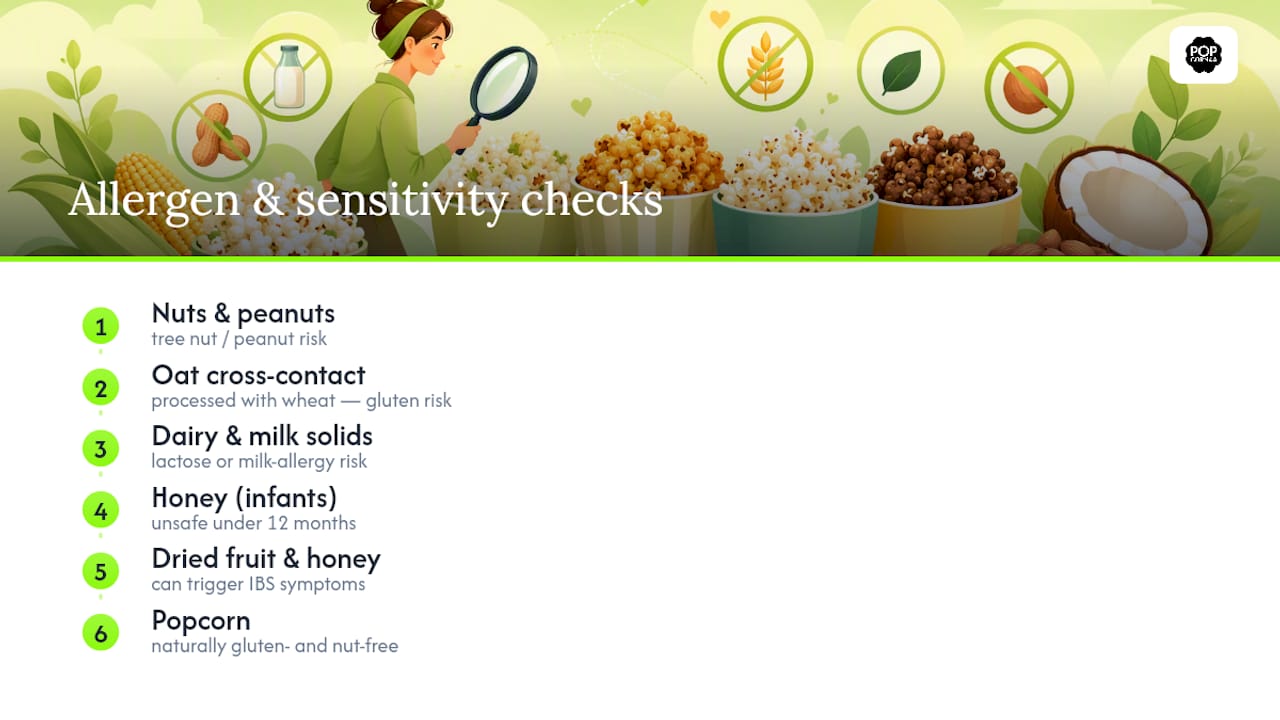
Sweet snacks carry more hidden allergen risk than most people assume, largely because “healthy-sounding” ingredients like nuts, oats, and dried fruit sit at the centre of several major allergen categories. Peanut butter and almond-based energy balls are an obvious concern for tree nut or peanut allergies, but oats can also trigger gluten sensitivity if they’re processed alongside wheat, even though oats themselves are naturally gluten-free.
Dairy-based options, Greek yoghurt pots in particular, are unsuitable for anyone with lactose intolerance or a milk allergy, and dark chocolate frequently contains milk solids even in bars marketed as “dark.” Honey isn’t suitable for children under twelve months due to infant botulism risk, a detail that’s easy to overlook when a recipe seems universally gentle.
Popcorn is comparatively low-risk as an allergen category, being naturally gluten-free and free from the major nut allergens, though cross-contamination during flavouring or packaging is worth checking on any label if you’re managing a serious allergy. Sensitivities aside, anyone managing IBS should also know that dried fruit and honey, both high in certain fermentable sugars, can trigger digestive discomfort in larger portions. Reading the full ingredient list, not just the front-of-pack claims, remains the only reliable way to catch these risks before they reach your mouth.
A quieter approach to sweet snacking
I stopped treating sweet snacks as something to negotiate with years ago. Now I prep one healthier option most evenings, usually yoghurt and berries or a small popcorn portion, and let it just be part of the week rather than a decision I have to win against myself each time. Sustainable snacking isn’t about willpower. It’s about making the good option the easy one.
— Emily
A portioned way to try gourmet popcorn as a sweet treat
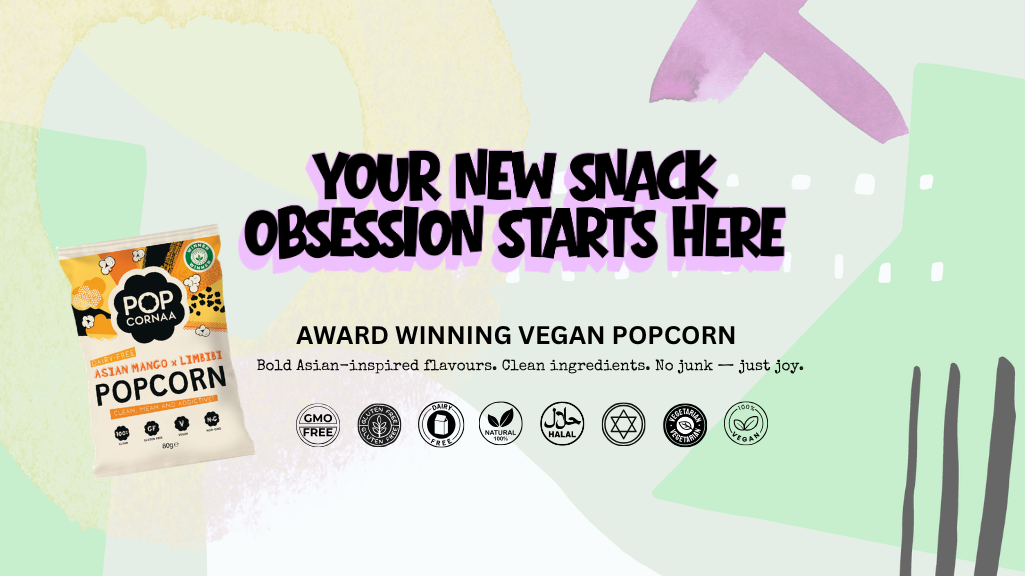
If you like the idea of air-popped popcorn as a sweet snack but don’t fancy the trial and error of testing flavours yourself, PopCornaa’s Newbie Asian Fusion Taster Box gives you five different bags in one curated set, so portion control is built into the packaging rather than left to willpower.
[ ](https://www.popcornaa.com › pages › asian-fusion-taster-box)
Every bag is vegan and designed to be eaten as a single, contained serving rather than shared from a giant bucket, which fits neatly with the portioning advice earlier in this guide. It’s worth checking the ingredient list on any flavour before you buy, particularly if you’re managing a nut or dairy sensitivity, but as a lower-effort way to add variety to your sweet snack rotation without reaching for another biscuit tin, it’s a genuinely practical starting point. Have a look through the taster box selection and see which flavours suit your usual cravings.
Sources
- How does sugar in our diet affect our health? - NHS
- Foods that fight sugar cravings - Healthline
- How to stop sugar cravings: Dr Amir Khan reveals in 5 steps | Woman & Home
FAQ
How can I satisfy my sweet tooth healthily?
Pair something sweet with protein or fibre, such as Greek yoghurt with berries or an apple with nut butter, and keep the portion small and deliberate rather than eating straight from the packet.
What food is sweet but has no sugar?
Cinnamon, vanilla extract, and very ripe berries add sweetness without added sugar; air-popped popcorn dusted with cinnamon is a good example of a genuinely low-sugar sweet-tasting snack.
What is the best sweet snack for weight loss?
A protein-paired option like 150g Greek yoghurt with 50g berries, or a portioned cup of air-popped popcorn, tends to work well because both increase satiety without a large calorie load.
What are the top healthiest snacks?
Fresh fruit with nut butter, Greek yoghurt with berries, homemade date and oat energy balls, portioned dark chocolate, and air-popped popcorn from a brand like PopCornaa all rank consistently well for combining low added sugar with genuine satisfaction.