

Gluten-free popcorn: how to choose safe popcorn in the UK
Plain popcorn kernels are naturally gluten-free. Corn (maize) contains no gluten proteins, which means a bag of unadorned, air-popped or oil-popped kernels is safe for people with coeliac disease or non-coeliac gluten sensitivity. The complication arrives the moment flavourings, coatings, or shared production lines enter the picture. Before you reach for that cinema bucket or a boldly seasoned supermarket bag, three quick checks can protect you:
- Read the full ingredients list, not just the front-of-pack claim.
- Look for allergen-emphasised text (usually bold or underlined) that flags wheat, barley, rye, or oats.
- Check for a “may contain” or “made in a factory that handles” statement, which signals cross-contact risk.
Key takeaways
Plain popcorn is naturally gluten-free because corn contains no gluten proteins, but flavoured, processed, and venue popcorn can introduce gluten through added ingredients or cross-contact, making label literacy the most important skill for safe snacking.
| Point | Details |
|---|---|
| Plain kernels are safe | Corn contains no gluten proteins; plain kernels with no added ingredients are naturally gluten-free. |
| Flavourings are the main risk | Malt flavouring, cheese powders, and spice blends can introduce gluten into otherwise safe popcorn. |
| UK legal threshold is 20 ppm | A product may only use the term “gluten-free” if it contains 20 parts per million of gluten or less. |
| Certification adds confidence | The Coeliac UK crossed grain symbol confirms independent verification beyond the legal minimum. |
| Popcornaa for ready-made options | Popcornaa offers clearly labelled gourmet vegan popcorn with transparent allergen information. |
Why plain popcorn is naturally gluten-free
Corn belongs to the grass family Poaceae, but it is a completely different genus from wheat (Triticum), barley (Hordeum), and rye (Secale). None of the gluten proteins that trigger an immune response in coeliac disease are present in maize. That botanical fact is what makes plain popcorn one of the more reassuring gluten-free snack options available in UK supermarkets.
A few other naturally gluten-free grains are worth knowing for context:
- Rice, millet, buckwheat, and quinoa are all gluten-free in their pure form.
- Oats are naturally gluten-free but are frequently contaminated during growing or milling, so only oats labelled “gluten-free” are safe for most people with coeliac disease.
- Plain popcorn kernels, whether you buy them loose or in a sealed bag for home popping, carry none of those contamination concerns provided no other ingredients have been added.
The Royal United Hospitals Bath NHS Foundation Trust lists plain popcorn among foods generally acceptable on a gluten-free diet, which reflects the broader NHS consensus on naturally safe whole foods.
When popcorn may not be gluten-free
This is where things get genuinely tricky. BBC Good Food notes that plain popcorn is usually gluten-free, but flavoured or processed varieties can contain hidden gluten sources that are easy to miss.
Common culprits in flavoured popcorn include:
- Malt flavouring derived from barley, found in some sweet and toffee varieties.
- Wheat-based thickeners or stabilisers used in cheese powder blends.
- Soy sauce (which typically contains wheat) in some Asian-inspired seasonings.
- Spice blends that use wheat flour as an anti-caking agent.
Cross-contact is a separate, equally serious concern. A popcorn product made on shared equipment with wheat-containing snacks can carry enough gluten to cause a reaction in someone with coeliac disease, even if the ingredients list looks clean. Beyond Celiac confirms that seasonings and flavourings represent a significant hidden risk, precisely because manufacturers may use barley malt or wheat-based stabilisers in cheese powders and spice mixes.
Microwave popcorn deserves particular attention. The flavour packet sealed inside the bag often contains a proprietary blend, and the full ingredient breakdown is not always prominent on the outer packaging. Caramel coatings, and BBQ or spicy seasonings, are frequent offenders.
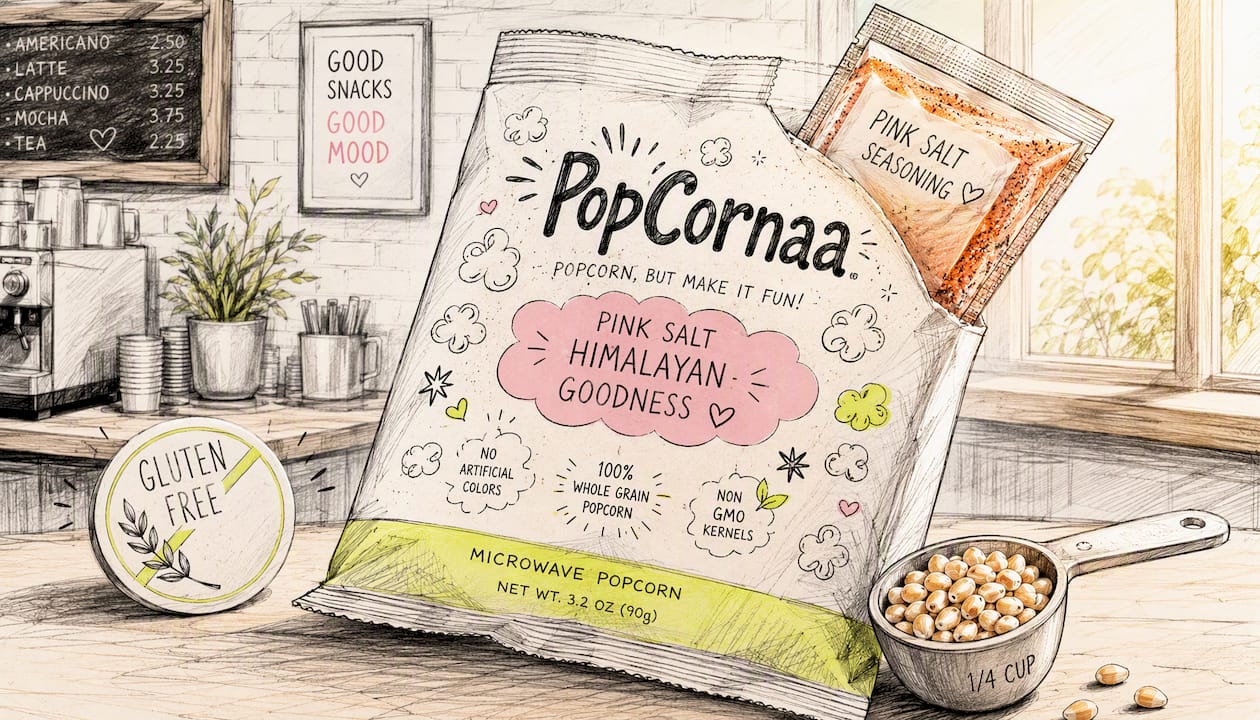
Pro Tip: Never assume a product is safe based on its flavour name alone. “Butter” popcorn, “sea salt” popcorn, and even “natural flavour” varieties can contain undisclosed gluten sources. Always read the full ingredients statement, including any allergen emphasis, before buying.
UK labelling rules and the 20 ppm threshold
UK law requires manufacturers to emphasise gluten-containing cereals in the ingredients list, typically in bold or contrasting text. You should also check the “allergy advice” box and any “may contain” statement, both of which flag cross-contamination risks. Coeliac UK’s label-reading guidance explains this clearly and is worth bookmarking.
20 ppm: Under UK law, a product may only carry the term “gluten-free” if it contains 20 parts per million of gluten or less.
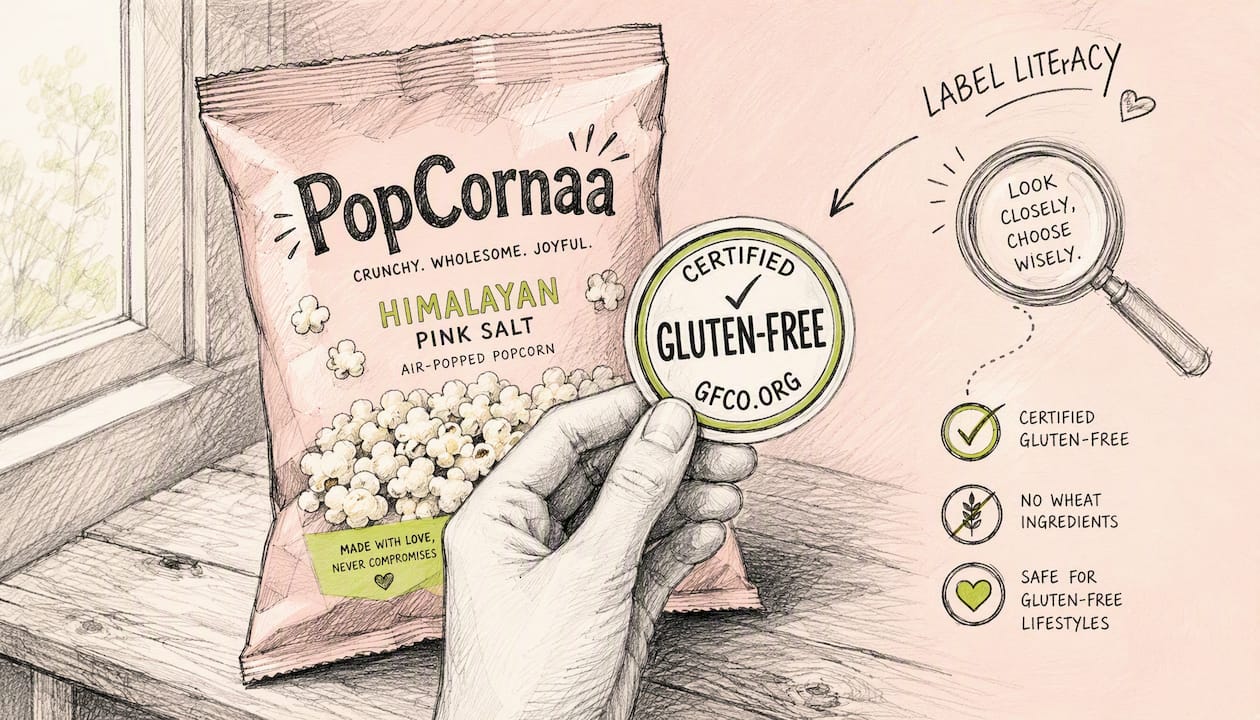
That threshold, confirmed by Glutafin, is the legal floor. Third-party certification goes a step further. The Coeliac UK crossed grain symbol indicates that a product has been independently verified to meet the 20 ppm standard and that the manufacturer’s processes have been audited. For people with coeliac disease, that extra layer of assurance matters. Retailers and manufacturers sometimes use multi-ingredient flavour blends that conceal gluten sources, so the crossed grain symbol or an equivalent certified mark is a more reliable signal than a self-declared “gluten-free” claim alone.
Key bodies to consult:
- Coeliac UK and its Food and Drink Guide (searchable by product).
- Food Standards Agency (FSA) for allergen labelling law.
- Glutafin for practical label-reading support.
How to check a popcorn product is safe
A consistent label-reading habit takes about thirty seconds and removes most of the guesswork. Here is a practical checklist for UK shoppers:
- Read the full ingredients list. Look for wheat, barley, rye, oats, malt, or any derivative.
- Check allergen emphasis. Gluten-containing cereals must appear in bold or contrasting text under UK law.
- Find the “may contain” or “made in a factory” statement. This signals cross-contact risk from shared equipment.
- Look for a “gluten-free” claim or certification mark. The crossed grain symbol from Coeliac UK adds independent assurance beyond the legal minimum.
- Scan for suspicious ingredients. Malt flavouring, wheat-derived starch, soy sauce, and unspecified “spice blends” all warrant a closer look.
If you are still uncertain after checking the label:
- Contact the manufacturer directly; most UK brands have a customer service line or email.
- Choose plain kernels and pop them at home, where you control every ingredient.
- Use Coeliac UK’s Food and Drink Guide or their app to search thousands of verified safe products rather than relying solely on the “free from” aisle.
Which popcorn types are safest?
Not all popcorn carries the same level of risk. Here is a practical breakdown by product type:
- Plain kernels (safest). A bag of 100% corn kernels with no added ingredients is the lowest-risk choice. Pop them at home and season yourself.
- Single-ingredient microwave or air-pop bags (usually safe). If the only ingredient listed is corn and the bag carries a gluten-free claim or certification, the risk is low. Check the flavour packet separately if one is included.
- Pre-flavoured supermarket popcorn (moderate to higher risk). Cheese, toffee, BBQ, and sweet-and-salty varieties often contain complex seasoning blends. BBC Good Food advises checking labels carefully on all flavoured products.
- Cinema popcorn (highest cross-contact uncertainty). Seasons Artisan School notes that movie theatre popcorn can present cross-contact risks from shared equipment or flavoured oils. If staff cannot confirm cleaning protocols or ingredient sourcing, it is safer to skip it. Joe & Seph’s, a well-known UK gourmet popcorn brand, publishes clear allergen information on its product pages, which illustrates the kind of transparency worth looking for when buying pre-made popcorn.
How to make safe gluten-free popcorn at home
Home popping gives you complete control, and it is far simpler than most people expect.
- Choose your kernels. Buy plain popcorn kernels from a reputable UK retailer. Check the bag confirms 100% corn with no added ingredients.
- Use a clean pan or air popper. If your kitchen is shared with gluten-eaters, wash the pan, lid, and any utensils thoroughly before use.
- Add your oil. For stovetop popping, heat a neutral oil (sunflower or coconut work well) over a medium-high heat. Drop in two or three kernels; when they pop, the oil is ready.
- Pop the batch. Add a single layer of kernels, cover, and shake the pan gently every thirty seconds or so until popping slows to a few seconds between pops.
- Season immediately. Transfer to a clean bowl and add your chosen seasoning while the popcorn is still warm.
Safe seasoning choices:
- Fine sea salt or flaked sea salt.
- Plain butter or a certified dairy-free alternative.
- Single-ingredient dried herbs (rosemary, thyme, smoked paprika).
- Nutritional yeast for a cheesy note, provided it is certified gluten-free.
Seasonings to approach with caution:
- Pre-mixed spice blends (check for wheat flour as an anti-caking agent).
- Cheese powder sachets from microwave kits.
- Any seasoning containing malt, barley extract, or soy sauce.
Pro Tip: In a shared kitchen, use a dedicated bowl and spoon for your gluten-free popcorn. Crumbs from bread or crackers on a shared surface can transfer to your batch faster than you might think. A quick wipe-down of the worktop before you start costs nothing and removes a real risk.
Choosing popcorn when you have coeliac disease or sensitivity
Living with coeliac disease means the stakes around cross-contact are genuinely high. Clinical literature on coeliac disease supports a cautious approach to processed foods, and further research on gluten-related disorders underlines why precise labelling and reliable thresholds matter so much for day-to-day management.
My honest view is this: if you have coeliac disease, the conservative path is the right one. Certified products or home-popped plain kernels are the choices I would always lean towards, not because flavoured popcorn is inherently dangerous, but because the risk of a hidden ingredient or shared-line contamination is real and the consequences of getting it wrong are not trivial.
For people with non-coeliac gluten sensitivity, the picture is a little more flexible. Many find that products carrying a clear “gluten-free” label, even without third-party certification, cause them no difficulty. That said, individual tolerance varies, and a conversation with a registered dietitian or your GP is always worth having before you decide how cautious to be.
Coeliac UK’s Food and Drink Guide remains the most practical UK resource for product-level checks. Their searchable database covers thousands of supermarket products and is updated regularly, which makes it far more reliable than memory or assumption.
Gourmet popcorn made easy with Popcornaa
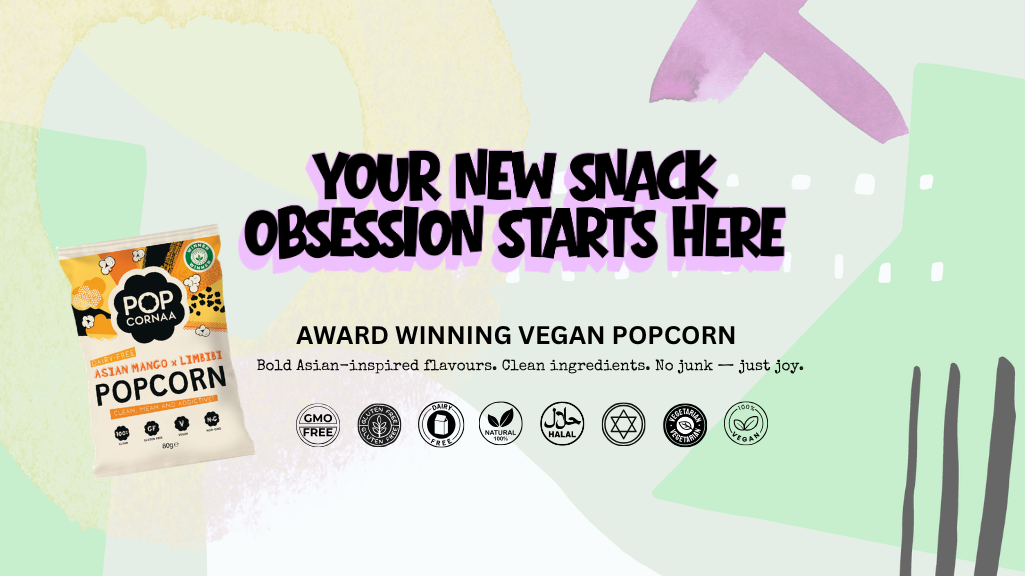
If reading every label feels like a part-time job, there is a simpler route. Popcornaa is a UK-based gourmet vegan popcorn brand that takes ingredient transparency seriously, offering clearly labelled snack options across its Asian-inspired and Brit-Core flavour ranges. Every product is vegan, and the brand’s commitment to quality means you spend less time squinting at small print and more time actually enjoying your snack.
[ ](https://www.popcornaa.com › pages › asian-fusion-taster-box)
Whether you are treating yourself or looking for a thoughtful gift, Popcornaa’s digital gift vouchers make it easy to share the joy of safe, gourmet snacking with someone who deserves it. Browse the full range and check allergen details directly on the product pages at Popcornaa.
Sources
For product-level checks and up-to-date guidance, these resources are the most reliable starting points:
- Food and drink information - Coeliac UK
- Understanding Food Labels and Finding Gluten Free Products - Glutafin
- Foods you think are gluten‑free — BBC Good Food
- Is corn gluten‑free? — Beyond Celiac
- What is a good snack for gluten‑free diets? — Seasons Artisan School
- Ncbi
- Ncbi
This article provides general information only and is not a substitute for professional dietary or medical advice. If you have coeliac disease or a diagnosed gluten-related condition, consult a registered dietitian or your GP for guidance tailored to your individual needs.
FAQ
Is plain popcorn safe for people with coeliac disease?
Yes. Plain popcorn kernels are naturally gluten-free because corn contains no gluten proteins. Choose kernels with no added ingredients, or products carrying a certified gluten-free mark, for the greatest confidence.
What type of popcorn is gluten-free?
Flavoured varieties, microwave kits with seasoning packets, and cinema popcorn carry higher risk from added ingredients or cross-contact and should be checked carefully.
Can I eat popcorn if I follow a gluten-free diet?
Yes, provided you choose plain kernels or a product with a verified gluten-free claim. Flavoured or processed popcorn requires label checking for malt flavouring, wheat-derived starch, and shared-equipment warnings before it can be considered safe.
How do I know if a UK popcorn product is certified gluten-free?
Look for the Coeliac UK crossed grain symbol on the packaging, which confirms independent verification to the 20 ppm legal threshold. You can also search the Coeliac UK Food and Drink Guide or app for a product-level check before you buy.