

Buy Better Vegan Popcorn: 5 Signs It Is Truly Small Batch
Small-batch popcorn is popcorn made in small, limited runs with hand-finished coatings, so it reaches you fresher and with more vivid flavour than anything popped on a mass production line. That freshness is the whole point: seasoning that hasn’t sat in a warehouse for months tastes sharper, the kernels stay crisper, and the coating clings rather than dusting off in the bag. The rest comes down to how it’s made, which kernels are used, and how to spot the real thing when you’re buying.
TL;DR:
- Genuine small-batch popcorn is popped in limited runs using kettles or stovetop equipment and finished with hand-applied coatings, not mass-produced machinery.
- Look for a pop or roast date, batch number, or “made to order” language on packaging, as simply claiming “small-batch” is unreliable.
- Brands using mushroom kernels for their coatings typically focus on quality and performance, especially for sweet or cheese flavors, rather than just marketing.
- Healthier small-batch popcorn often uses real oils and ingredients, avoiding long shelf-life stabilisers and flavour powders common in commercial microwave varieties.
- Ensure production transparency by checking ingredient lists, kernel type, and process details to verify if popcorn is truly made in small batches.
What does ‘small-batch’ actually mean for popcorn?
There’s no legal definition of small-batch popcorn, and that catches a lot of shoppers out. What it should mean is popcorn popped in limited runs, in kettles rather than continuous industrial poppers, with coatings applied and checked by hand rather than sprayed on a conveyor belt. Food52’s reporting on the term makes a fair point: small-batch is a craft claim, not a regulated one, and its real value sits in the technique behind it rather than a specific number on a label.
That’s why two brands can both call themselves small-batch and mean very different things. Some genuinely pop in kettles holding a handful of gallons at a time and finish orders as they come in. Others use the phrase loosely, on product that’s barely distinguishable from a supermarket shelf. Look past the label to how a maker actually talks about production:
- Do they mention kettle sizes or batch numbers, rather than just the words “small-batch” on the bag?
- Do they use phrases like “made to order” or “popped this week”, which imply an actual production rhythm?
- Do they describe hand-finishing, such as coatings applied and tossed manually rather than machine-sprayed?
If a brand can’t answer “how is this different from a factory line”, the claim is probably just marketing.
How is small-batch popcorn actually made?
Production choices at every stage change what lands in your bowl, and it starts with heat. Small kettles, stovetop pans, or air-poppers give a maker far more control over temperature than an industrial popper running thousands of kernels a minute, which matters because scorched or under-popped kernels ruin a coating before it’s even applied.
- Popping. Small kettles or stovetop equipment allow precise, batch-by-batch heat control, so more kernels pop fully without burning.
- Kernel selection. Mushroom kernels form dense, rounded pops that survive tumbling and heavy coatings, while butterfly kernels form the classic irregular “wings” better suited to light, salted snacks. The American Chemical Society’s breakdown of popcorn’s kernel chemistry explains why that structural difference matters once a coating is involved.
- Coating and seasoning. Small-batch makers apply flavouring in stages, often warming a coating base and tossing it through the popcorn by hand in small tubs, checking coverage as they go rather than relying on a single automated spray pass.
- Packaging. Bags are sealed in smaller runs shortly after popping, which keeps shelf-life shorter but flavour sharper, and many small-batch sellers ship made-to-order rather than pulling stock from a warehouse.
Pro Tip: If a coated popcorn feels sticky, clumped, or unevenly covered, it usually means the coating was applied too fast or too hot. Genuine small-batch producers slow that step down deliberately.
Why small-batch popcorn tastes better: freshness and ingredients
Freshness is the biggest reason small-batch popcorn tastes noticeably better, and it comes down to oxidation. Fats and seasonings start to dull the moment they’re exposed to air, so popcorn that sits in distribution for weeks tastes flatter than a batch popped and bagged within days.
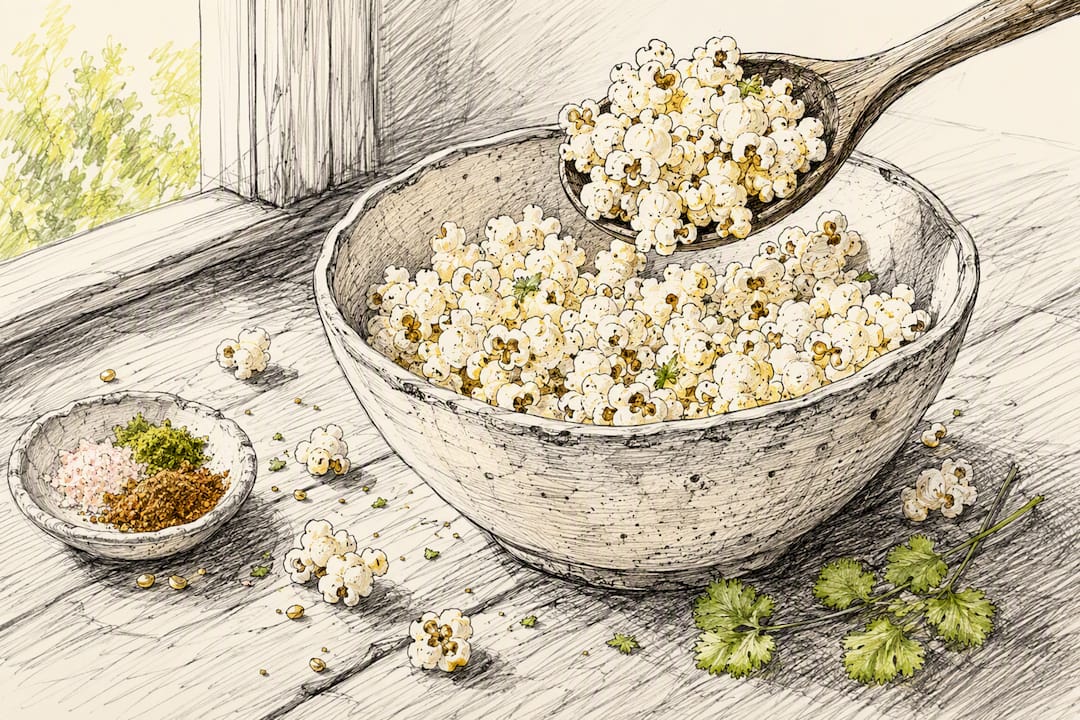
Ingredient quality tends to follow the same pattern. Small-batch makers are far more likely to use real flavour bases (proper cocoa, actual spice blends, genuine vegan cheese or butter alternatives) rather than the flavour powders and stabilisers that let mass producers hit a long shelf-life. That usually shows up as a shorter, more recognisable ingredient list on the bag.
Texture matters just as much as flavour:
- Controlled popping produces fewer burnt or unpopped kernels, so more of the bag is actually edible.
- Kernel choice affects mouthfeel: mushroom kernels hold coatings evenly, while butterfly kernels stay light for salted styles.
- Hand-tossing coats kernels more consistently than a single machine spray pass, so you get fewer bare patches and fewer over-sugared clumps in the same bag.
There’s a genuine health angle here too. Some commercial microwave and cinema popcorn varieties carry a significant share of a day’s recommended saturated fat and sodium in one serving, largely down to the oils and flavour bases used to keep them shelf-stable. Recent health reporting on microwave popcorn recommends air-popped or stovetop methods with better-quality oils as the healthier route, which lines up neatly with how most small-batch producers already work. Our own guide to the healthiest popcorn covers that comparison in more detail.
How can you spot genuine small-batch popcorn when buying?
Trust the process details on the label more than the phrase “small-batch” itself. A pop date, roast date, or batch number tells you something concrete; the word alone tells you nothing.
- Check for dates and numbers. Look for a pop or roast date, a batch number, or “made to order” language rather than a generic best-before date months out.
- Read the ingredient list. Genuine vegan gourmet popcorn usually names its oil and its cheese or butter alternative specifically, rather than hiding behind “natural flavouring”.
- Look at the packaging itself. Small sealed bags produced in limited runs are a stronger signal than large multi-pack cartons designed for long storage.
- Look for real trust signals. A named team, genuine customer reviews, and specific brand proof points (awards, press coverage, flavour development stories) carry more weight than the label copy alone.
- Don’t stop at the word “small-batch”. Treat it as a starting point for questions, not a guarantee of quality on its own.
Kernel choice is worth checking too if you’re buying a coated flavour: brands using mushroom kernels for sweet or cheese styles are usually thinking about coating performance, not just marketing language, which the visual and textural side of presentation plays into as much as flavour does.
PopCornaa’s approach to small-batch, and who’s behind this guide
PopCornaa builds its Asian-inspired and British flavour ranges on exactly this small-batch principle: gift boxes, custom snack mixes, and sharing buckets popped and hand-finished around real orders rather than mass-produced to sit on a shelf. Our Asian Flavourz and Brit-Core collections are built around vegan cheese and butter alternatives chosen for flavour first, with a flavour quiz to help you find the right match before you buy.
This guide is written by Emily, PopCornaa’s editorial lead, drawing on the brand’s own production standards and the wider evidence on kernel chemistry and popcorn nutrition. PopCornaa’s customer reviews and curated collections reflect the same small-batch standard described throughout this article.
What genuinely matters when you’re choosing small-batch popcorn
The conventional advice on this topic stops at “look for the words small-batch on the label,” and that’s not good enough. That phrase carries no legal weight, so treating it as a quality guarantee is where most shoppers get misled. What actually predicts a better bag of popcorn is far more specific: a real pop date, a named oil, a kernel choice that matches the flavour style, and a maker willing to describe their process rather than just naming it.
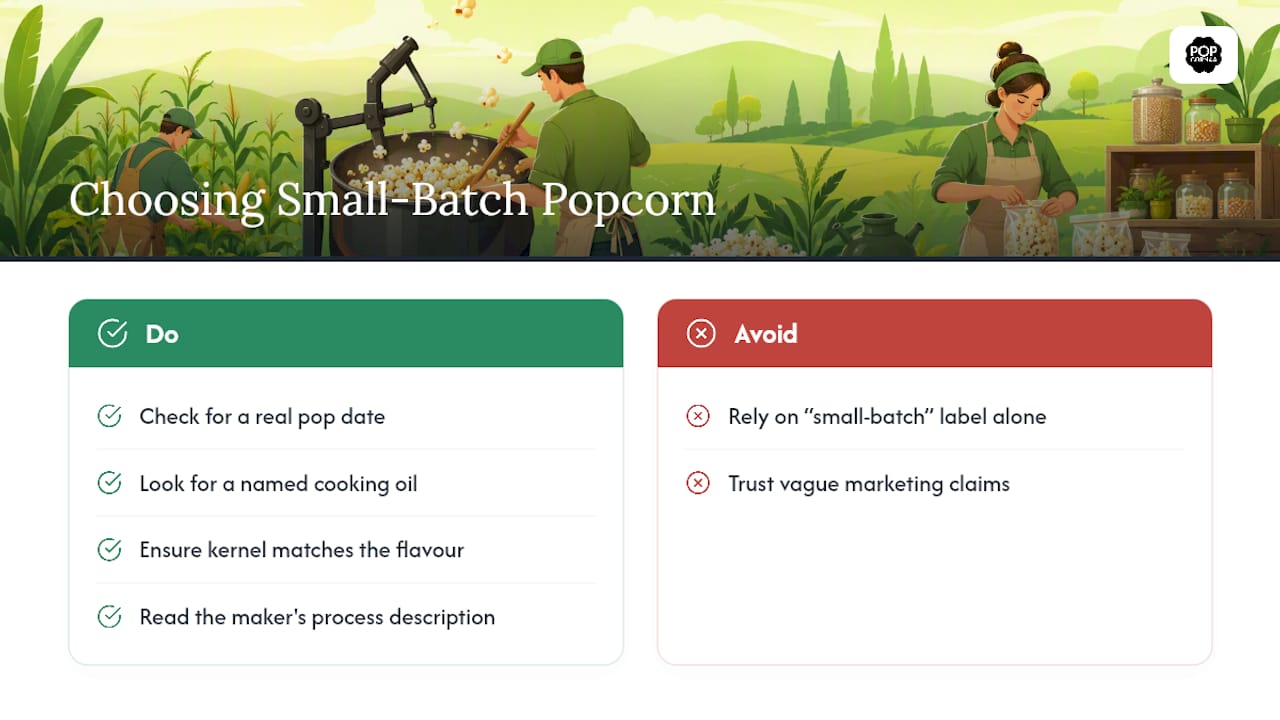
I’d prioritise ingredient transparency over batch-size claims every time. A brand that tells you it uses mushroom kernels for its coated flavours because they hold up better under tossing has told you more than any brand that simply prints “small-batch” in bold on the front of the bag. The kernel science backs that up, and it’s the kind of detail marketing copy rarely bothers to include because it takes more effort to explain than to claim.
If you take one thing from this, let it be this: read past the label. The word is a hint, not proof.
— Emily
Ready to try genuine small-batch vegan popcorn?
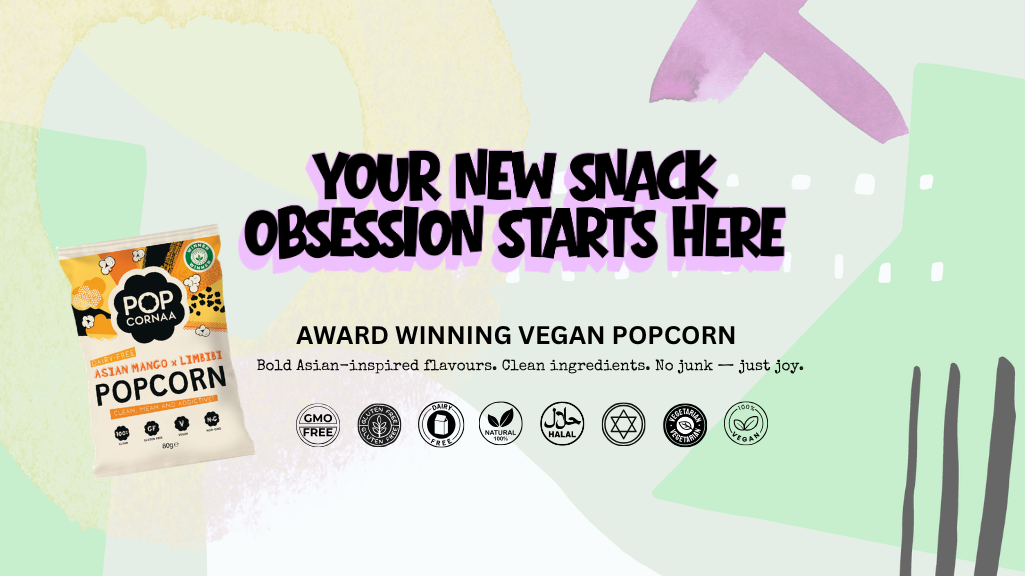
If everything above has you wondering whether your usual bag actually qualifies as small-batch, PopCornaa is a straightforward way to find out for yourself. Every flavour is popped and hand-finished in small runs, using vegan cheese and butter alternatives chosen for taste rather than shelf-life, across the Asian-inspired and British-inspired ranges.
[ ](https://www.popcornaa.com › pages › asian-fusion-taster-box)
You can shop by collection, build a custom snack mix, or pick up a themed gift box if you’re buying for someone else. If you’re not sure what someone will like, a PopCornaa digital gift card in £10, £20, £50 or £100 lets them choose their own flavours instead of guessing on their behalf. Head to the PopCornaa shop to browse the current collections and see what’s popped this week.
Sources
This article draws on a small set of sources worth reading directly if you want to go deeper on any single point:
- Different fats and nutrition - NHS
- The term small-batch is everywhere, but what does it really mean? - Food52
- The secret science of popcorn - American Chemical Society
- Health
FAQ
What does small-batch popcorn mean?
It means popcorn popped in limited runs, usually in small kettles, with coatings applied by hand rather than on a continuous industrial line. There’s no official size threshold; the value lies in the technique, not the batch number alone.
What is the unhealthiest popcorn?
Some commercial microwave and cinema varieties carry very high saturated fat and sodium in a single serving, largely from the oils and flavour bases used for long shelf-life. Choosing air-popped or stovetop methods with better oils is the healthier route, and small-batch production tends to follow that same pattern.
What are the two main types of popcorn kernels?
Mushroom and butterfly are the two primary shapes. Mushroom kernels pop into round, sturdy shapes that hold heavy coatings well, while butterfly kernels pop into light, irregular pieces better suited to salted snacks.
How do I know if popcorn is genuinely small-batch?
Look for a pop or roast date, a batch number, or “made to order” language on the packaging, along with a specific ingredient list naming the actual oil and flavour base used. PopCornaa applies this same standard across its custom mixes and gift boxes, popping to order rather than holding long-shelf-life stock.