

What is vegan lifestyle snacking: your 2026 guide
TL;DR:
- Vegan lifestyle snacking involves choosing plant-based snacks that deliver balanced nutrition, especially protein and fiber. It emphasizes pairing plant protein with healthy fats or fiber at every snack to prevent blood sugar spikes and energy crashes. Properly selecting snacks helps meet key nutrient needs like vitamin D, B12, iodine, selenium, and calcium efficiently.
Vegan lifestyle snacking is the deliberate practice of choosing plant-based snacks that deliver balanced nutrition, particularly protein and fibre, to support steady energy throughout the day. Unlike grabbing whatever is nearest, this approach treats every snack as a small but meaningful contribution to your daily nutrient intake. The NHS highlights five nutrients requiring careful monitoring in vegan diets: vitamin B12, vitamin D, calcium, iodine, and selenium. Getting these right through smart snack choices is one of the most practical tools available to anyone eating plant-based.
What is vegan lifestyle snacking and why does nutrition matter?
Vegan lifestyle snacking is built on a clear nutritional principle: pair plant protein with fibre or healthy fats at every snack opportunity. This combination slows digestion, prevents blood sugar spikes, and keeps you feeling full between meals. Combining fibre-rich carbs with a source of plant protein or healthy fat prevents the energy crashes that follow sugary or processed snacks. That single habit separates mindful vegan snacking from simply eating food that happens to contain no animal products.
The five nutrients the NHS recommends monitoring on a vegan diet are vitamin D, B12, iodine, selenium, and calcium. Each of these can be addressed partly through snack choices, not just main meals. Fortified plant milks, seeds, and seaweed-based snacks all contribute. Thinking about snacks as micro-opportunities for nutrient intake changes how you shop and what you reach for.
Whole food snacks outperform processed vegan alternatives on almost every nutritional measure. A handful of roasted chickpeas delivers 6g of protein and 5g of fibre per quarter cup serving. That is a meaningful contribution to daily targets, not a throwaway bite between meals.
Common misconceptions and hidden pitfalls in vegan snacking
The biggest mistake health-conscious snackers make is assuming the word “vegan” signals health. “Vegan” is a dietary restriction, not a health claim. Processed vegan snacks can carry a health halo from marketing while being high in refined sugars and saturated fats. Reading the ingredient list matters as much as checking the label on the front of the packet.
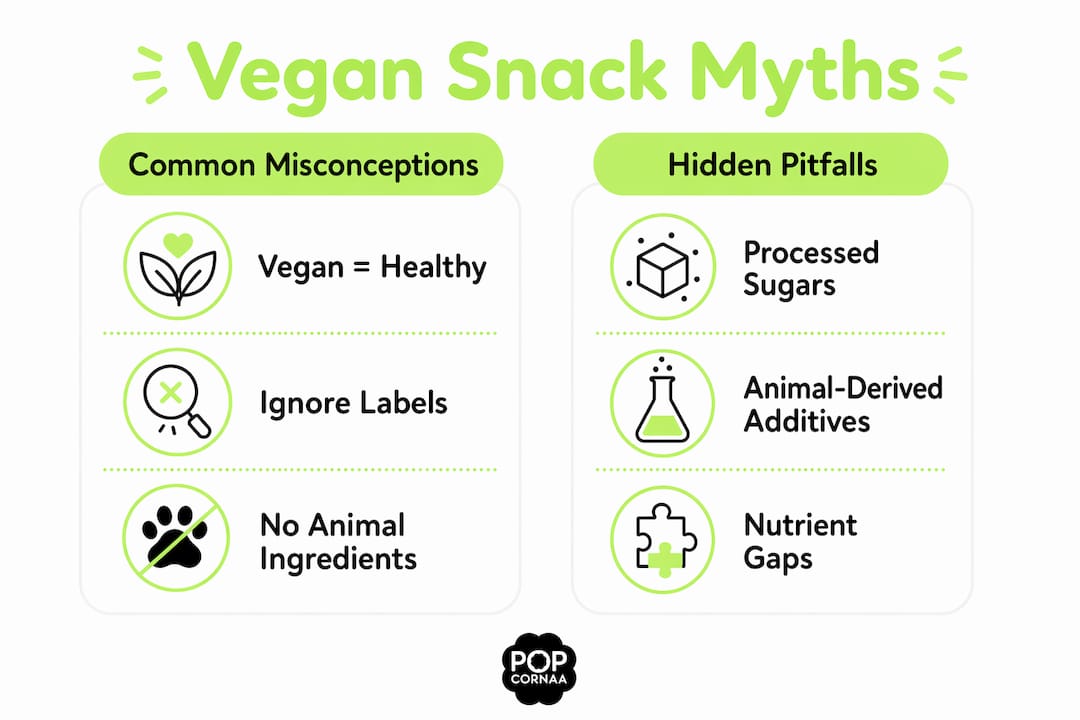
Hidden animal-derived ingredients are a second trap. Label reading is essential because products marked “vegan” may still contain gelatin, lanolin-derived vitamin D3, or other animal-sourced additives. This is not rare. It is common enough that experienced plant-based eaters check every new product before buying it regularly.
The third pitfall is treating snacks as fillers rather than functional nutrition. Dietitians Bailey Franklyn and Rachael Ajmera argue that snacks should be deliberate tools for meeting daily protein and fibre goals. A bag of plain rice cakes satisfies hunger briefly but contributes almost nothing nutritionally. Swapping that for rice cakes with almond butter and hemp seeds changes the outcome entirely.
Here is what to watch for when choosing vegan snacks:
- High sugar content disguised as “natural” sweeteners such as agave or coconut sugar
- Refined oils listed early in the ingredient list, indicating high fat content
- Vitamin D3 sourced from lanolin rather than lichen
- Gelatin used as a binding agent in chewy snacks
- Fortification claims on the front that do not match the actual quantities listed in the nutritional panel
Pro Tip: Flip the packet and read the ingredients before the nutritional panel. Ingredients are listed by weight, so the first three tell you what the snack is mostly made of.
What are the best vegan snack ideas for nutrition and flavour?
The most effective healthy vegan snacks combine at least two macronutrients: a slow-release carbohydrate alongside either plant protein or a healthy fat. This is not complicated. It is a simple pairing habit that makes a real difference to how you feel two hours after eating.
High-protein and high-fibre options
- Roasted chickpeas: 6g protein and 5g fibre per quarter cup. Season with smoked paprika or cumin for variety.
- Hummus with raw vegetables: carrots, cucumber, and celery provide crunch and gut-friendly fibre alongside the chickpea protein in the hummus.
- Chia pudding: made with fortified oat milk, chia seeds deliver omega-3 fatty acids and calcium in one small pot.
- Peanut butter and banana roll-ups: a wholemeal wrap, a tablespoon of peanut butter, and half a banana gives you protein, potassium, and slow-release carbohydrate.
- Lentil protein bites: blended red lentils, oats, and dates rolled into balls. Batch-make on a Sunday and refrigerate for the week.
Pairing ideas that prevent energy crashes
The apple-and-almond-butter combination is a classic for good reason. The apple provides pectin, a soluble fibre that feeds gut bacteria. The almond butter adds protein and healthy monounsaturated fats. Adding a teaspoon of hemp seeds brings in omega-3s and extra protein. That one snack covers three nutritional bases in under two minutes of preparation.
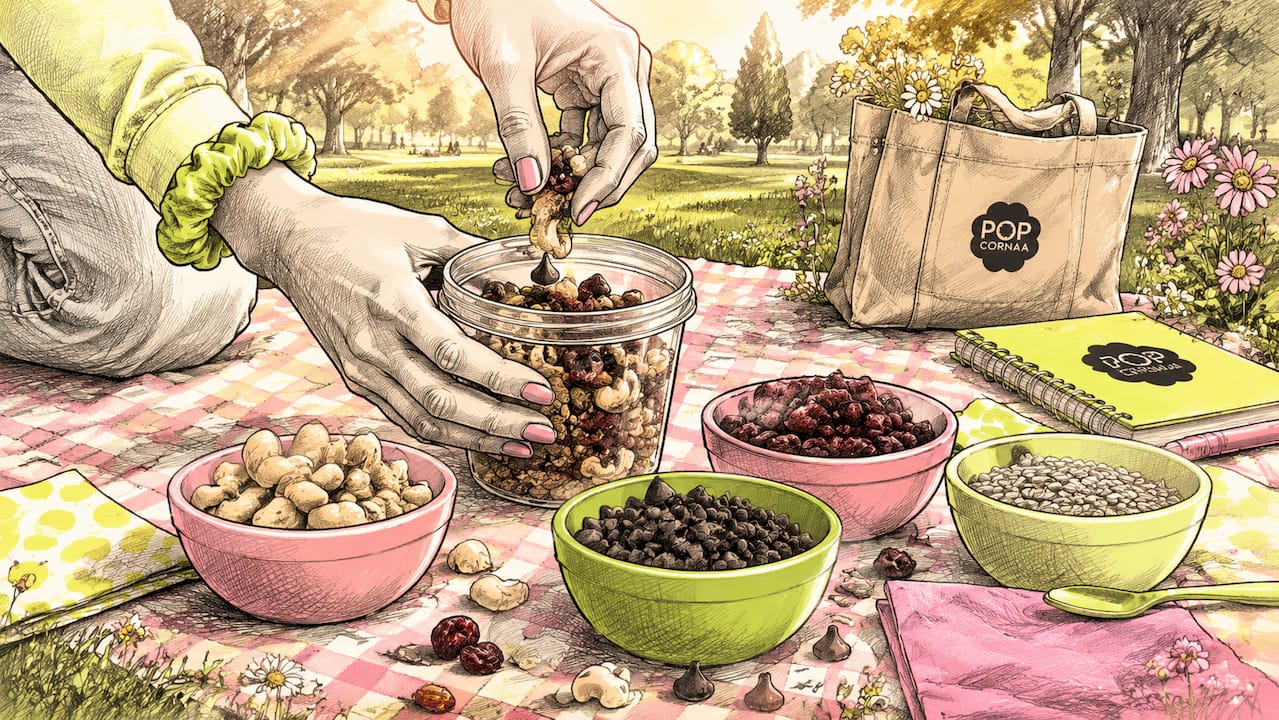
A homemade trail mix of walnuts, pumpkin seeds, dried mulberries, and dark chocolate chips is another reliable option. Walnuts provide alpha-linolenic acid, an omega-3 fatty acid. Pumpkin seeds are one of the better plant sources of zinc and magnesium. The dark chocolate adds a small amount of iron and makes the mix genuinely enjoyable.
Nutrient comparison of common vegan snacks
| Snack | Protein (approx.) | Fibre (approx.) | Key micronutrient |
|---|---|---|---|
| Roasted chickpeas (quarter cup) | 6g | 5g | Iron, folate |
| Chia pudding (150ml oat milk) | 5g | 7g | Calcium, omega-3 |
| Peanut butter and banana roll-up | 8g | 4g | Potassium, magnesium |
| Hummus with carrots (100g) | 4g | 3g | Vitamin A, B6 |
| Lentil protein bites (3 bites) | 7g | 4g | Folate, iron |
Pro Tip: Prepare a week’s worth of lentil bites or chia pudding pots on a Sunday. Having them ready in the fridge removes the decision fatigue that leads to grabbing processed snacks.
For more creative ideas, the plant-based snack guide for 2026 covers a wider range of options suited to different tastes and dietary goals.
How to build vegan snacking into your daily routine
Timing is the most underrated element of effective vegan snacking. Eating a snack 2–4 hours after a main meal stabilises blood sugar and reduces the likelihood of impulsive eating later. That window is when blood glucose begins to dip and cravings start to build. A planned snack at that point prevents the 4pm biscuit raid.
Planning snacks as intentional nutrition rather than reactive hunger management changes your relationship with food. Write your snacks into your day the same way you plan breakfast and dinner. This is not obsessive. It is the difference between meeting your daily protein and fibre targets and falling short by mid-afternoon.
Batch preparation is the practical backbone of consistent vegan snacking. Roasting chickpeas or prepping vegetables in advance means nutrient-dense options are always within reach. When the fridge contains pre-chopped peppers, a pot of hummus, and a jar of trail mix, the processed alternative becomes the less convenient choice.
Here is a simple daily snacking structure to follow:
- Morning snack (10am): a small pot of chia pudding made with fortified oat milk. Covers calcium and omega-3 needs.
- Afternoon snack (3pm): hummus with raw vegetables or a peanut butter and banana roll-up. Covers protein and slow-release carbohydrate.
- Evening snack (if needed, 8pm): a small handful of mixed nuts and seeds. Covers healthy fats and magnesium.
The environmental and ethical dimensions of plant-based snacking also matter as lifestyle motivators. Choosing whole plant foods over heavily processed snacks reduces packaging waste and supports lower-impact food systems. These are not abstract benefits. They are real reasons why vegan snacking feels different from other dietary choices. The role of vegan snacks in a balanced diet goes well beyond personal health.
Pro Tip: Keep a small container of mixed nuts and seeds at your desk or in your bag. It takes 30 seconds to prepare and removes the need to make a food decision when you are already hungry and tired.
Key takeaways
Vegan lifestyle snacking works best when every snack is planned to deliver protein, fibre, and at least one key micronutrient, rather than simply filling a gap between meals.
| Point | Details |
|---|---|
| Pair protein with fibre | Combine plant protein and fibre at every snack to prevent blood sugar spikes and energy crashes. |
| Monitor five key nutrients | The NHS identifies vitamin D, B12, iodine, selenium, and calcium as priorities for vegan snackers. |
| Read labels carefully | “Vegan” on the front does not guarantee the absence of animal-derived ingredients or refined sugars. |
| Time snacks deliberately | Eating 2–4 hours after a main meal stabilises blood sugar and reduces impulsive eating. |
| Batch prep removes barriers | Preparing snacks in advance makes the nutritious option the easiest option throughout the week. |
What I have learned from snacking the vegan way
I will be honest: when I first started paying attention to what I was snacking on, I thought I was doing fine. I was eating vegan. Surely that was enough. It was not. I was reaching for rice cakes, plain fruit, and the odd handful of pretzels. I felt hungry again within an hour and wondered why my energy was so inconsistent.
The shift happened when I stopped thinking about snacks as something to get through the day and started treating them as small meals with a purpose. Adding almond butter to my apple, swapping plain crackers for hummus and vegetables, keeping a jar of roasted chickpeas on the counter. These were not dramatic changes. They stopped me in my tracks because the difference in how I felt was immediate.
The label confusion is real, and I understand why people find it exhausting. My advice is to build a short list of snacks you trust and rotate them. You do not need 50 options. You need five or six reliable ones that you enjoy and that actually nourish you. Boredom comes from eating the same thing in the same way. Change the seasoning on your chickpeas. Try a new nut butter. Add goji berries to your trail mix one week and dried mango the next.
Vegan snacking is not a sacrifice. Once you find the combinations that work for your body and your taste, it becomes one of the most satisfying parts of eating plant-based.
— Emily
Vegan snacking made easy with Popcornaa
If you are building your vegan snack routine and want something ready-made that does not compromise on quality or flavour, Popcornaa has you covered.
[ ](https://www.popcornaa.com › pages › asian-fusion-taster-box)
The Newbie Asian Fusion Taster Box from Popcornaa is a curated selection of five gourmet vegan popcorn flavours inspired by Asian and British taste profiles. Every bag is made with plant-based ingredients, with no hidden animal derivatives. It is the kind of snack that fits naturally into a mindful vegan lifestyle because it is genuinely enjoyable without the guilt of checking a long, suspicious ingredient list. Browse the full vegan popcorn selection to find the flavours that suit you.
FAQ
What is vegan lifestyle snacking?
Vegan lifestyle snacking is the deliberate practice of choosing plant-based snacks that provide balanced nutrition, particularly protein and fibre, to support steady energy and meet daily nutrient targets.
What do vegans snack on for protein?
Roasted chickpeas, hummus, lentil bites, peanut butter, hemp seeds, and mixed nuts are reliable plant-based protein sources that work well as snacks.
Are vegan snacks automatically healthy?
No. “Vegan” is a dietary restriction, not a health claim. Processed vegan snacks can be high in refined sugars and saturated fats, so reading ingredient labels remains essential.
When is the best time to snack on a vegan diet?
Eating a snack 2–4 hours after a main meal helps stabilise blood sugar and prevents impulsive eating, according to dietitian guidance on vegan snacking timing.
How do I avoid missing key nutrients when snacking vegan?
Focus on snacks that include fortified foods, seeds, and legumes to address the five nutrients the NHS flags for vegan diets: vitamin D, B12, iodine, selenium, and calcium.