

What makes snacks gourmet: the definitive 2026 guide
TL;DR:
- Gourmet snacks are defined by natural ingredients, layered flavour complexity, and artisanal craftsmanship. Modern consumer trends emphasize ethical sourcing, functional benefits, and cultural authenticity, making gourmet quality a market standard. Technical innovation focuses on flavour stability, texture, and clean-label formulations to meet evolving expectations.
A gourmet snack is defined by three non-negotiable qualities: premium ingredients, sophisticated flavour complexity, and the craftsmanship to bring both together without compromise. What makes snacks gourmet is not simply a higher price tag or fancier packaging. It is the deliberate sourcing of natural, ethically produced components, the engineering of layered taste and texture experiences, and the formulation skill required to balance indulgence with genuine nutritional value. In 2026, that definition has expanded further still, with functional nutrition and sensory design now sitting at the heart of what food enthusiasts recognise as truly gourmet.
What ingredient qualities distinguish gourmet snacks?
Ingredient integrity is the foundation of every gourmet snack. A snack cannot be considered gourmet if its base is built on artificial flavourings, refined sugars, or low-grade fats. The gourmet snack standard demands bold flavour combined with ethically sourced, high-quality ingredients. That combination is what separates a genuine artisan snack option from a mass-produced product dressed up with premium branding.
The ingredients most commonly found in gourmet snacks share several characteristics:
- Natural flavourings and extracts sourced from real food rather than synthesised in a laboratory
- Ethically sourced base ingredients such as heritage grains, cold-pressed oils, and single-origin seasonings
- Free-from formulations that remove allergens, refined sugar, or dairy without sacrificing taste
- Plant-based proteins derived from legumes, seeds, or ancient grains that add nutritional value alongside texture
- Clean-label coatings and seasonings with ingredient lists a food enthusiast can actually read and recognise
The free-from and specialised diet sector now represents 75% of the UK healthy snacks market in 2026. That figure tells you something important: dietary accessibility is no longer a niche concern. It has become a defining feature of gourmet snack credentials. Vegan, gluten-free, and allergen-friendly formulations are now expected at the premium end of the market, not treated as optional extras.
Pro Tip: When assessing gourmet snack ingredients, read the label from the bottom up. The last few ingredients reveal what a brand is hiding. Artificial preservatives, maltodextrin, and hydrogenated oils near the end of a long list are reliable signs that the snack is not genuinely gourmet.
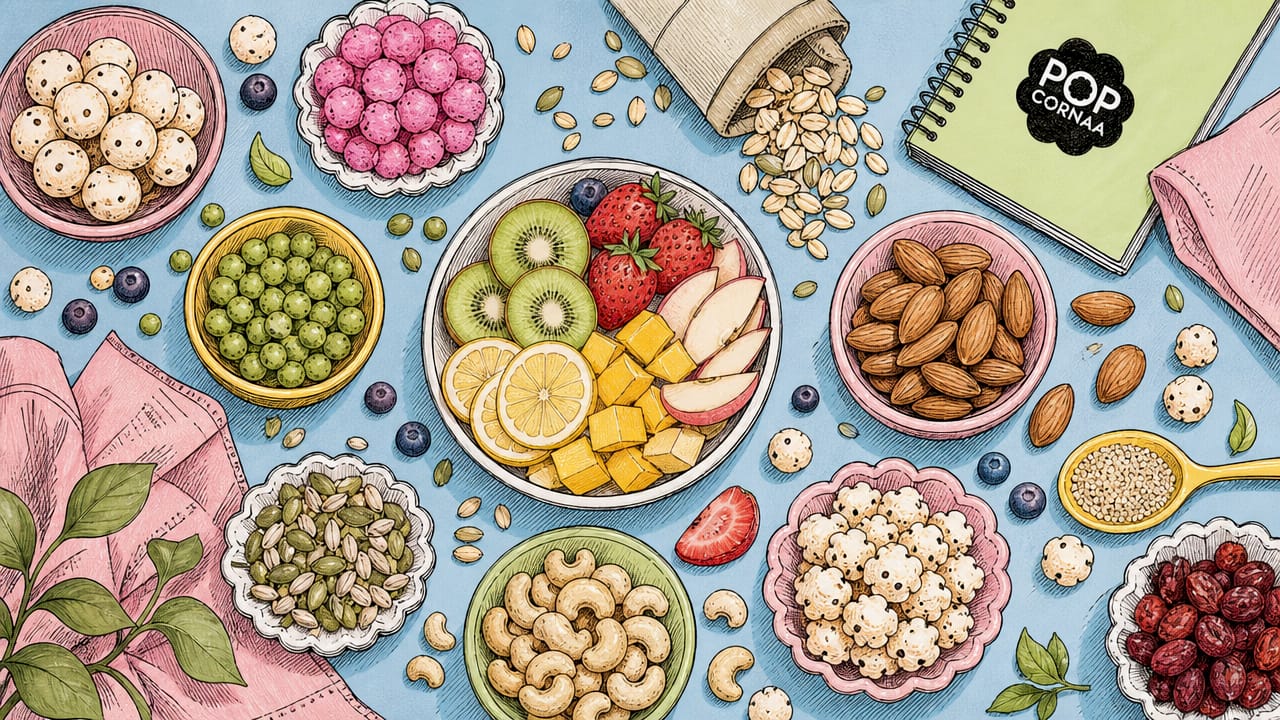
Popcornaa builds its entire range on plant-based, clean-label ingredients. That commitment is visible in collections like Asian Flavourz, where real spice blends and natural seasonings replace the synthetic shortcuts common in mass-market snacks. You can read more about how ingredient sourcing shapes quality in gourmet popcorn specifically.
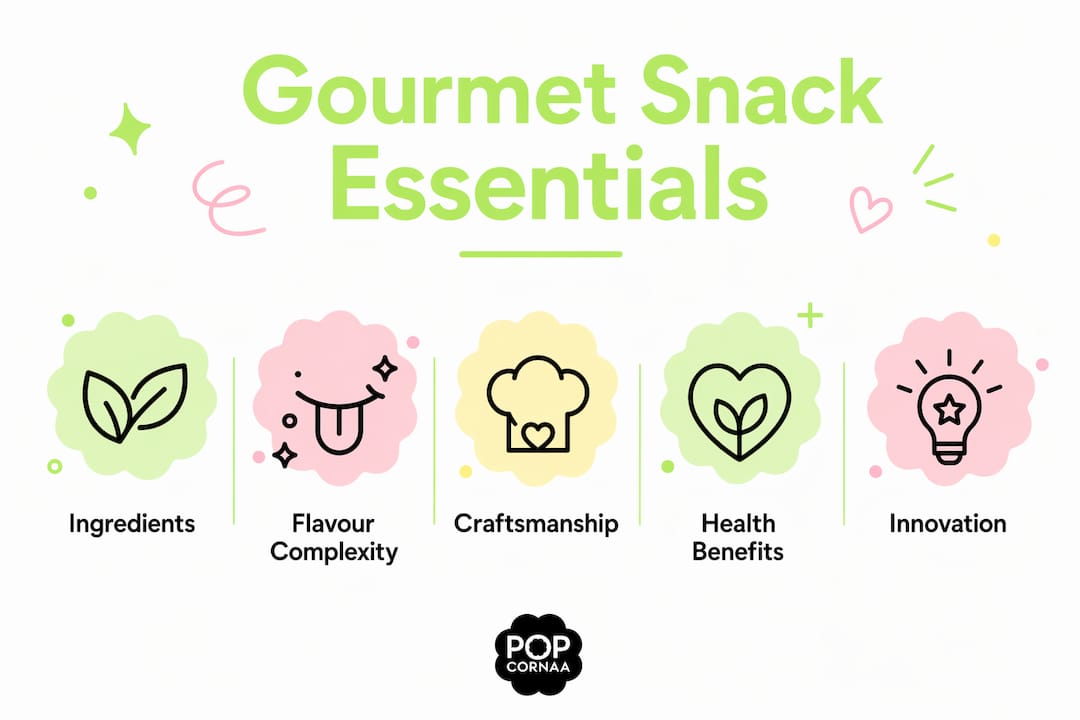
How do flavour profiles and sensory design elevate snacks to gourmet status?
Flavour complexity is what stops you mid-bite and makes you reach for another piece. A gourmet snack does not deliver one flat note. It delivers a sequence. The taste arrives in layers, with an initial hit, a developing middle, and a lingering finish that keeps your attention. That architecture is intentional, not accidental.
Sensory design in gourmet snacks uses texture, flavour intensity, and even sound to compensate for reduced sugar and fat while maintaining the feeling of indulgence. This is a significant shift from older ideas about healthy snacking, which often meant sacrificing enjoyment. The modern approach adds positive sensory cues rather than simply removing the negative ones.
The key sensory elements that define a gourmet eating experience include:
- Flavour onset — the immediate taste impression, which should be clean, bold, and recognisable rather than muddled or artificial
- Flavour development — the middle notes that emerge as you chew, often where spice, umami, or sweetness reveals itself
- Lingering finish — the aftertaste that determines whether you want another bite or feel satisfied
- Texture and crunch — crunch and sound are deliberately engineered in gourmet snacks to enhance perceived satiety and enjoyment, with ancient grains contributing distinctive textures that mass-market snacks cannot replicate
- Mouthfeel — the way a snack dissolves, coats, or clears from the palate, which signals quality to the brain even before conscious thought kicks in
Flavour pairing is another area where gourmet snacks separate themselves. Asian-inspired flavour profiles, for example, layer sweet, sour, salty, and umami in ways that Western palates find genuinely surprising. That surprise is part of the gourmet experience. It is why trending gourmet flavours in 2026 lean heavily into regional specificity rather than generic “spicy” or “sweet” descriptors.
Pro Tip: To train your palate for gourmet flavour recognition, eat a small piece of a snack slowly and without distraction. Identify the first flavour, wait ten seconds, then identify what follows. If you can name three distinct stages, the snack has genuine flavour architecture. If everything tastes the same from start to finish, it does not.
78% of UK consumers aged 16–34 seek snacks that deliver specific health benefits alongside flavour. That statistic reframes what gourmet means for a generation of food enthusiasts. Taste alone is no longer enough. The sensory experience must carry nutritional intent.
What technical innovations and craftsmanship define gourmet snack creation?
Craftsmanship in gourmet snack production is about refinement, not reinvention. The best producers do not chase novelty for its own sake. They spend considerable time perfecting existing recipes, stabilising natural colours through shelf life, and improving the functionality of protein and fibre ingredients without letting those additions degrade the eating experience.
The technical challenges behind a genuinely gourmet snack are considerable:
- Flavour stability — natural ingredients behave differently from synthetic ones. A real spice blend can fade, oxidise, or shift in character over weeks. Maintaining consistent flavour from production to consumption requires careful formulation and packaging decisions.
- Protein integration — high-protein additions can introduce off-notes described as earthy or beany, requiring masking and modulation technologies to preserve the gourmet taste profile. This is not a minor inconvenience. It is one of the most technically demanding aspects of premium snack development.
- Texture preservation — achieving a satisfying crunch in a plant-based, low-fat snack without artificial emulsifiers demands precise understanding of ingredient interactions.
- Clean-label compliance — removing artificial stabilisers while maintaining product integrity across varying storage conditions is a formulation challenge that separates serious producers from superficial ones.
Gourmet snacks are engineered with sensory curves that balance flavour onset, middle notes, and lingering finish for a consistent experience. That engineering does not happen by accident. It requires dedicated research and development, sensory panels, and iterative testing across multiple production batches.
| Craftsmanship element | What it means in practice |
|---|---|
| Flavour curve engineering | Mapping taste from first bite to aftertaste to create a deliberate, layered experience |
| Natural colour stability | Maintaining visual appeal through shelf life without synthetic dyes |
| Protein modulation | Masking off-notes from plant proteins to preserve clean, gourmet taste |
| Texture architecture | Designing crunch and mouthfeel using ancient grains and natural coatings |
| Clean-label formulation | Achieving stability and shelf life without artificial preservatives or emulsifiers |
Innovation success lies in refinement rather than reinvention. The brands producing the most respected gourmet snacks are those that commit to solving these technical problems quietly, without fanfare, and let the eating experience speak for itself.
How is the concept of gourmet evolving with modern consumer expectations?
The definition of gourmet is not static. Consumer expectations have shifted the goalposts considerably, and what counted as a luxury snack idea five years ago now reads as standard. The modern food enthusiast expects a gourmet snack to carry multiple credentials simultaneously.
The clearest shifts shaping gourmet snacking in 2026 are:
- Functional indulgence — 62% of consumers actively seek protein in snacks, which means gourmet producers must now deliver both sensory pleasure and measurable nutritional benefit in the same product
- Ethical sourcing as a quality signal — where ingredients come from matters as much as what they are. Consumers read sourcing stories and treat transparent supply chains as evidence of genuine quality
- Regional and cultural specificity — a snack with a clear cultural identity, whether rooted in British seaside tradition or East Asian street food, carries more perceived value than a generic flavour profile
- Environmental credentials — plant-based formulations, minimal packaging, and low-waste production are now part of the gourmet conversation, not separate from it
- Storytelling and character — the best gourmet snacks have a point of view. They reflect the values and curiosity of the people who made them, and food enthusiasts respond to that authenticity
The healthy vending snack trends emerging across the UK show that even convenience-format snacking is moving toward functional, clean-label options. That shift confirms the direction of travel: gourmet is becoming the expected standard, not the exception. Brands that treat quality as a differentiator today are simply building the baseline for tomorrow.
Key takeaways
A gourmet snack is defined by ingredient integrity, engineered flavour complexity, and the formulation craftsmanship to deliver indulgence and nutritional value without compromise.
| Point | Details |
|---|---|
| Ingredient integrity | Natural, ethically sourced ingredients with clean labels are the non-negotiable foundation of gourmet snacks. |
| Flavour architecture | Gourmet snacks deliver layered taste across onset, middle, and finish rather than a single flat note. |
| Sensory design | Texture, crunch, and sound are deliberately engineered to enhance enjoyment and perceived satiety. |
| Technical craftsmanship | Refinement of formulation, including protein modulation and flavour stability, separates genuine gourmet from imitation. |
| Evolving consumer expectations | Modern gourmet snacks must combine functional nutrition, ethical sourcing, and cultural specificity to meet 2026 standards. |
What I have learned from years of thinking about gourmet snacks
Honestly, the word “gourmet” stopped me in my tracks the first time I really interrogated it. I had been using it loosely, the way most people do, to mean “a bit nicer than usual.” But when you actually sit with a snack and pay attention, you realise that genuine gourmet quality has a very specific feeling. It is the moment when a flavour does something unexpected in the middle of a bite, or when the crunch of a snack sounds and feels so satisfying that you pause before reaching for the next piece.
What I have come to believe, after years of tasting, testing, and building a snack brand from the ground up, is that most people can detect gourmet quality instinctively. They just do not always have the language for it. When someone says a snack “tastes real,” they are usually responding to clean-label ingredients and genuine flavour complexity. When they say it “feels premium,” they are responding to texture architecture and sensory design. The vocabulary is different, but the perception is accurate.
My honest advice is this: do not let price alone guide your judgement. Some of the most genuinely gourmet snacks I have encountered are not the most expensive ones. They are the ones made by producers who care deeply about every ingredient decision and refuse to take shortcuts on flavour. That care shows up in the eating. You can also explore plant-based gourmet options that prove vegan snacks can be every bit as sophisticated as anything else on the shelf.
— Emily
Popcornaa’s gourmet vegan snack range
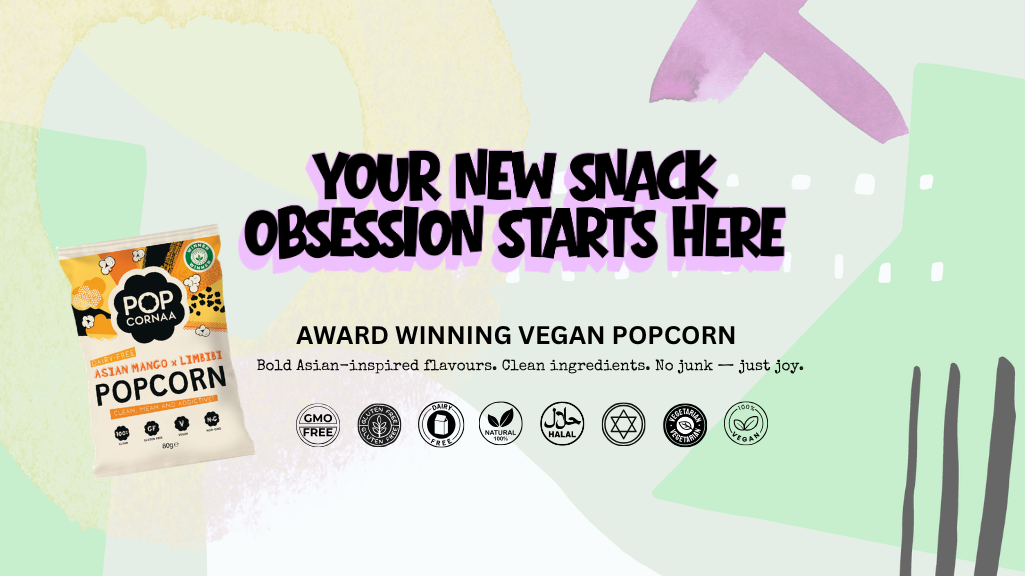
Popcornaa was built on exactly the principles this article describes: natural ingredients, bold flavour profiles, and the craftsmanship to make plant-based snacking genuinely exciting. The Asian Fusion Taster Box brings together five distinct gourmet vegan popcorn flavours inspired by East Asian street food, each one formulated with real seasonings and clean-label ingredients. It is the kind of snack selection that shows you what layered flavour actually means in practice.
[ ](https://www.popcornaa.com › pages › asian-fusion-taster-box)
If you are looking for a gift for a food enthusiast who takes snacking seriously, Popcornaa gift cards offer instant digital delivery and let the recipient choose their own gourmet adventure. Every product in the range is vegan, crafted with care, and built to deliver a genuinely memorable eating experience.
FAQ
What makes a snack gourmet rather than just premium?
A gourmet snack combines natural, ethically sourced ingredients with engineered flavour complexity and artisanal craftsmanship. Premium pricing alone does not qualify a snack as gourmet without those underlying qualities.
What ingredients are most common in gourmet snacks?
Gourmet snacks typically feature natural flavourings, heritage or ancient grains, cold-pressed oils, single-origin seasonings, and clean-label coatings free from artificial preservatives and refined sugars.
How do texture and sound contribute to the gourmet snack experience?
Crunch and sound are deliberately engineered in gourmet snacks to enhance satiety and enjoyment, with ancient grains contributing distinctive textures that signal quality beyond flavour alone.
Are vegan snacks considered gourmet?
Vegan snacks are fully capable of meeting gourmet standards. The specialised diet sector, including vegan and free-from products, now represents 75% of the UK healthy snacks market, reflecting how plant-based formulations have become central to gourmet snack credentials.
How can I tell if a snack has genuine gourmet flavour architecture?
Eat a small piece slowly and identify three distinct taste stages: the initial hit, the developing middle note, and the lingering finish. A snack with genuine gourmet flavour delivers all three. A flat, one-note taste from start to finish indicates a lack of real flavour engineering.