

Why certified vegan snacks matter for your diet
TL;DR:
- Certified vegan snacks are independently verified to contain no animal ingredients at any stage of production. These certifications provide reliable proof beyond marketing claims, helping consumers avoid hidden animal-derived additives. The growing popularity of certified vegan snacks indicates increased demand for transparency and trust in plant-based products.
Certified vegan snacks are products independently verified to contain no animal-derived ingredients, processing aids, or additives at any point in their supply chain. The importance of certified vegan snacks goes well beyond a label on a packet. With over 72,000 products now carrying the Vegan Society’s Vegan Trademark globally, consumer appetite for verified plant-based options has never been stronger. Yet the sheer volume of products claiming to be “plant-based” or “suitable for vegans” makes genuine certification more valuable, not less. If you follow a plant-based diet, certification is the clearest signal that a snack truly meets the standard you expect.
Why does the importance of certified vegan snacks go beyond the label?
Certification is not simply a marketing badge. It is a formal process in which an independent body audits a product’s entire supply chain, from raw ingredients to processing aids, to confirm 100% animal-free status. The Vegan Society’s Vegan Trademark and the VEGANOK Plant-Based mark are two of the most recognised standards in this space. Both require manufacturers to provide documentary proof for every ingredient source, not just the headline components.
This matters because allergen labelling alone does not cover every animal-derived ingredient. UK allergen regulations focus on the 14 major allergens, which means substances like gelatine, isinglass, and carmine can appear in a product without triggering any allergen declaration. A certified vegan product excludes all of these by definition.
The commercial picture reinforces this. A 2026 survey by The Vegan Society and Vypr found that 83% of shoppers want more vegan-certified products across multiple categories, including snacks. That figure tells you something important: consumers are not just curious about plant-based eating. They want proof.
How does certification protect you from hidden animal ingredients?
Hidden animal ingredients are a genuine problem in packaged snacks, and it stopped me in my tracks the first time I really looked into it. Gelatine turns up in coatings and glazes. Isinglass, derived from fish bladders, is used as a fining agent in some beverages and confectionery. Carmine, a red colourant made from crushed insects, appears in flavoured crisps and sweets. None of these trigger a standard allergen warning.
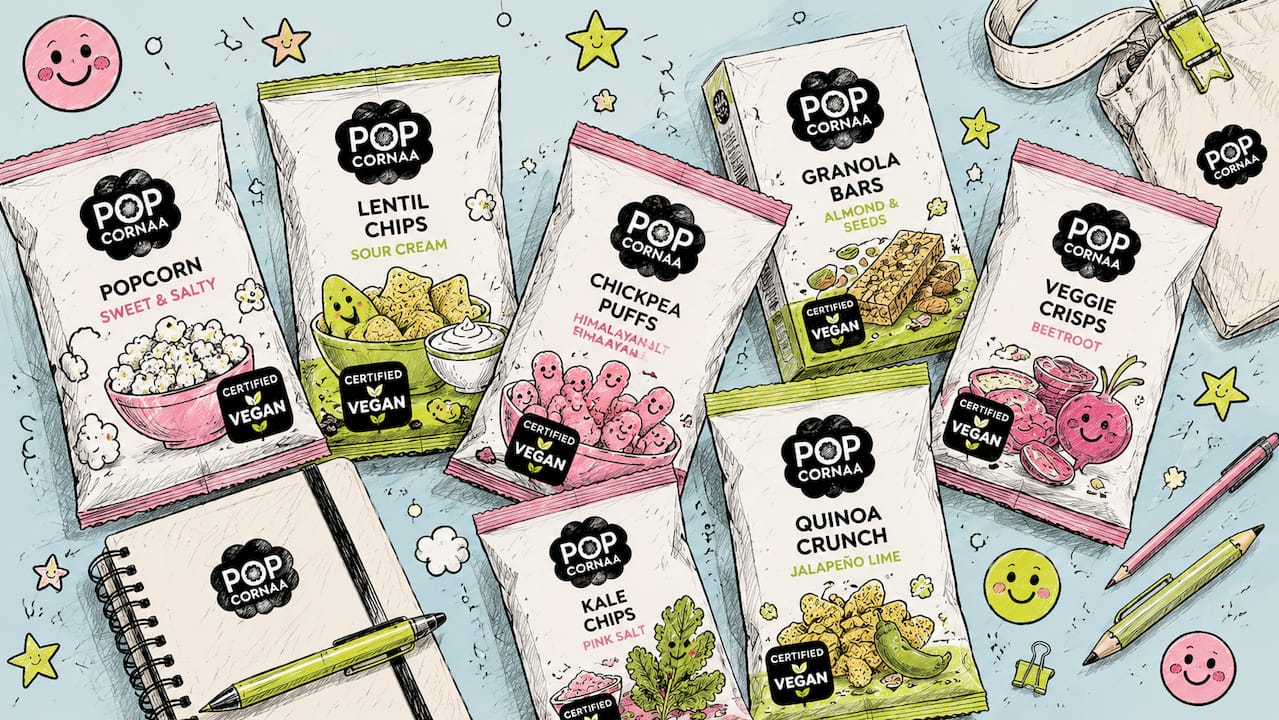
Third-party certification removes the guesswork entirely. Greg McFarlane, managing director of Vegan Australia, notes that certification removes consumer confusion around hidden animal ingredients that are often omitted or undisclosed in labelling. That independent verification is what separates a certified product from a self-declared one.
The key distinctions are worth understanding clearly:
- Certified vegan: independently audited by a recognised body such as the Vegan Society or VEGANOK; covers all ingredients and processing aids
- Suitable for vegans: a self-declared claim by the brand; no uniform benchmark or third-party confirmation required
- Plant-based: a marketing descriptor with no legal definition; can appear on products containing honey, dairy derivatives, or other animal outputs
- Dairy-free: addresses one category of animal ingredient only; does not confirm the absence of gelatine, carmine, or other derivatives
Pro Tip: When you see “suitable for vegans” on a pack, check whether the brand also carries a recognised certification logo. If it does not, contact the manufacturer directly to ask about processing aids and shared equipment.
What are the health benefits of vegan snacks when they are certified?
Certified vegan snacks carry a nutritional advantage that goes beyond simply removing animal products. Plant-based snacks tend to be rich in dietary fibre, which supports gut health and helps sustain energy between meals. Whole-grain popcorn, for example, delivers gut-friendly fibre without the saturated fat found in many dairy-based snack alternatives.
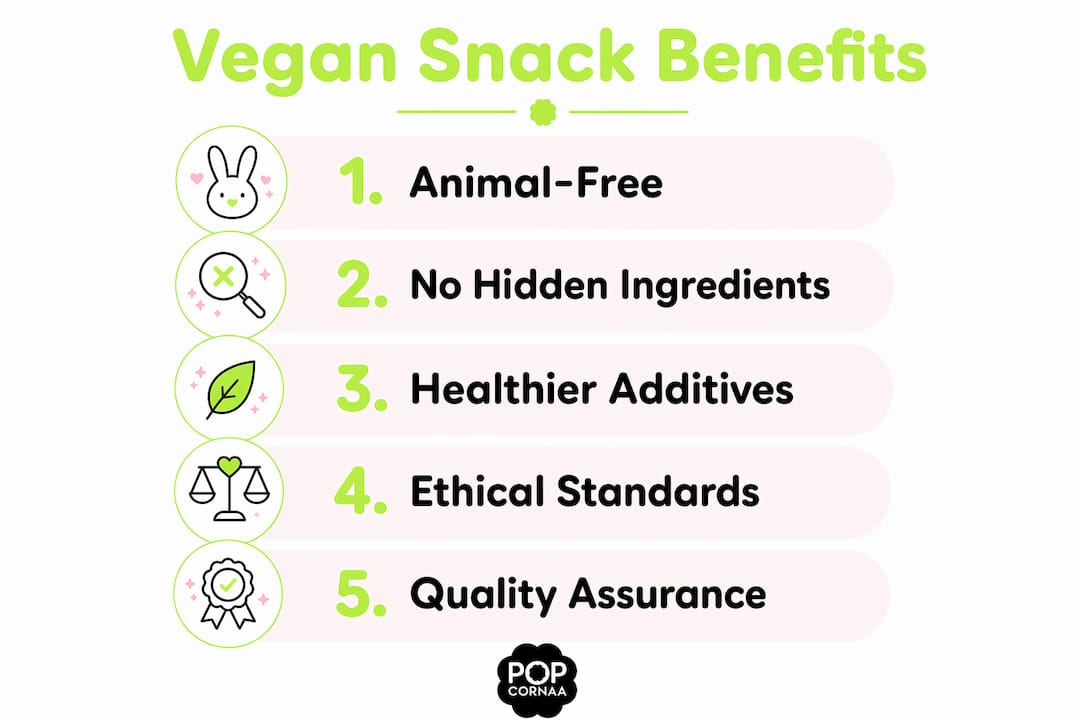
Certification also removes the risk of consuming animal-derived additives that carry their own health considerations. Carmine, for instance, is a known allergen for some people, even though it does not appear on standard allergen lists. Gelatine sourced from pork or beef raises concerns for those managing specific dietary or religious requirements alongside their plant-based choices.
There is a common misconception that vegan snacks are automatically healthier. Certification does not guarantee low sugar or low salt. What it does guarantee is that the product contains no animal-derived ingredients, which is a meaningful baseline for anyone building a balanced, plant-based diet. Pairing certified snacks with whole foods and varied meals is the most effective approach.
The growing range of certified vegan snacks now available across retail and vending channels reflects how mainstream plant-based snacking has become. Access is no longer a barrier for health-conscious shoppers.
Why does ethical and environmental certification matter?
Certification standards do more than verify ingredients. They prohibit animal testing at every stage of production and exclude any ingredient derived from animal exploitation, including by-products that might otherwise seem incidental. This is where certified vegan snacks part company decisively from products that simply carry a “plant-based” description.
Sauro Martella, founder of VEGANOK, is direct on this point: no middle ground exists in genuine vegan certification standards. A product either meets the full standard or it does not. That clarity is what makes certification a credible tool against greenwashing, the practice of using environmental or ethical language without the substance to back it up.
The environmental case for certified plant-based snacking is also well established. Plant-based food production generally requires fewer natural resources and generates lower greenhouse gas emissions than animal-based production. Choosing certified products reinforces that environmental commitment at the point of purchase.
Here is a practical framework for thinking about certification’s ethical significance:
- Ingredient sourcing: Certification audits confirm that no animal-derived raw materials enter the product at any stage, including minor additives.
- Processing aids: Substances used during manufacture but not listed as ingredients, such as release agents or clarifying agents, must also meet the vegan standard.
- Supply chain transparency: Brands must provide documentary evidence for every supplier, creating a traceable record that self-declared claims cannot match.
- Animal testing: Certified standards explicitly prohibit testing on animals, extending the ethical commitment beyond the ingredient list.
Pro Tip: Look for the Vegan Society’s sunflower logo or the VEGANOK mark on packaging. These are independently audited and carry genuine weight. A green leaf or the word “natural” carries no equivalent assurance.
How to recognise and choose certified vegan snacks
Reading snack labels confidently takes a little practice, but the core principles are straightforward. The most reliable approach is to look for a recognised certification logo rather than relying on descriptive language alone.
The table below shows how common label terms compare in terms of verification and scope:
| Label term | Third-party verified? | Covers all animal derivatives? |
|---|---|---|
| Certified vegan (Vegan Trademark) | Yes | Yes |
| VEGANOK Plant-Based | Yes | Yes |
| Suitable for vegans | No | Not guaranteed |
| Plant-based | No | No |
| Dairy-free | No | No (dairy only) |
Beyond the logo, these steps help you shop with confidence:
- Check the Vegan Society’s online directory, which lists all products carrying the Vegan Trademark
- Look for VEGANOK certification for products with a European origin or supply chain
- Read the full ingredient list even on certified products, particularly if you manage additional dietary requirements
- Check brand transparency statements on their website for details about shared production facilities
Certified vegan snacks offer something that self-declared labels cannot: repeat purchase confidence. When you know a product has been independently audited, you do not need to re-examine the label every time you buy it. That consistency builds genuine trust between consumer and brand.
Research from the Natural and Organic Food Show in 2026 found that taste drives 55% of repeat purchases, followed by affordability at 24%. Certification supports both: it gives brands a credible platform to communicate quality, and it gives shoppers the confidence to keep coming back.
Key takeaways
Certified vegan snacks are the most reliable way to confirm a product is fully animal-free, because independent audits cover every ingredient, processing aid, and supply chain input that self-declared labels routinely miss.
| Point | Details |
|---|---|
| Certification beats self-declaration | Third-party audits verify every ingredient and processing aid; “suitable for vegans” carries no equivalent guarantee. |
| Hidden ingredients are a real risk | Gelatine, carmine, and isinglass can appear in snacks without triggering allergen warnings; certification excludes them all. |
| Health benefits require context | Certified vegan snacks remove animal-derived additives, but a balanced diet still depends on varied, whole-food choices. |
| Ethical scope is broader than ingredients | Certification prohibits animal testing and requires full supply chain transparency, going well beyond a “plant-based” claim. |
| Taste and trust drive loyalty | Research shows taste is the top repeat-purchase factor; certified brands build the trust that brings shoppers back consistently. |
Why I think certification will only grow in importance
I have watched the vegan snack market change considerably over the past few years, and one thing has become very clear to me. The more products that claim to be plant-based, the harder it becomes for shoppers to know what they are actually buying. That confusion is not accidental. “Plant-based” is a marketing term with no legal definition, and some brands use it precisely because it carries none of the obligations that genuine certification demands.
What I find genuinely hopeful is that certified brands build transparency and trust in a way that drives real loyalty. Shoppers who find a certified product they love come back for it. That is a commercial advantage as much as an ethical one, and I think more brands will recognise it as the market matures.
The vegan snack sector in 2026 is not a niche any more. It is mainstream, and mainstream markets need clear standards. Third-party certification provides exactly that. My honest view is that shoppers who prioritise certified products are not just making a better choice for themselves. They are sending a signal to the industry that transparency has commercial value. That signal matters.
— Emily
Popcornaa’s certified vegan snacks: trusted flavour, verified quality
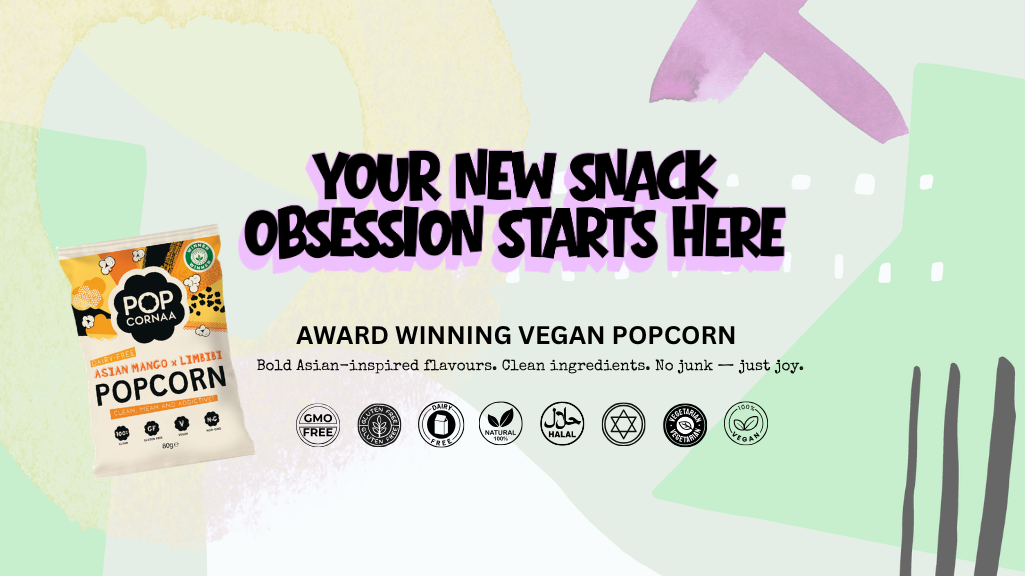
Popcornaa carries the Vegan Society’s Vegan Trademark across its popcorn range, which means every bag has been independently audited to confirm full animal-free status. That is not a small thing when you consider how many snack brands rely on self-declared claims.
[ ](https://www.popcornaa.com › pages › asian-fusion-taster-box)
The range spans Asian-inspired flavours and British classics, all made without dairy, gelatine, or any hidden animal derivatives. Popcornaa has also received recognition at the Great Taste Awards 2024, confirming that certified and delicious are not mutually exclusive. If you want a certified vegan snack that genuinely delivers on taste, the Asian Fusion Taster Box is an excellent place to start.
FAQ
What are certified vegan snacks?
Certified vegan snacks are products independently verified by a recognised body, such as the Vegan Society, to contain no animal-derived ingredients, processing aids, or additives at any stage of production.
How is certified vegan different from “suitable for vegans”?
“Suitable for vegans” is a self-declared claim with no third-party verification required. Certified vegan products undergo independent auditing of the entire supply chain, including processing aids that allergen labels routinely omit.
Does vegan certification cover hidden animal ingredients like carmine or gelatine?
Yes. Certification standards explicitly exclude all animal-derived substances, including carmine, gelatine, and isinglass, which do not appear on standard allergen declarations under UK food labelling regulations.
Are certified vegan snacks healthier than regular snacks?
Certified vegan snacks remove animal-derived additives and tend to be higher in plant-based fibre, but certification does not guarantee low sugar or low salt. A balanced diet still depends on varied food choices beyond the snack category.
Which certification logos should I look for on vegan snacks?
The Vegan Society’s Vegan Trademark (a sunflower logo) and the VEGANOK Plant-Based mark are two of the most credible independently audited certifications available on snack products in the UK and Europe.