

Why plant-based snacks are worth choosing in 2026
TL;DR:
- Plant-based snacks are made exclusively from plant ingredients and are now a mainstream market. They offer real nutritional benefits like higher fiber, protein, and antioxidants, which support health and wellbeing. Choosing whole-food, minimally processed options benefits your body and helps reduce environmental impact.
Plant-based snacks are defined as food products made entirely from ingredients derived from plants, including legumes, nuts, seeds, grains, fruits, and vegetables, with no animal-derived components. The category has moved well beyond niche health food shops. The UK plant-based snacking market is projected to reach £5.89 billion by 2028, up from £4.84 billion in 2025. That growth reflects a genuine shift in how people think about what they eat between meals. Whether you are motivated by health, the environment, or animal welfare, the reasons why plant-based snacks deserve a place in your daily routine are compelling and well-supported by evidence.
Why plant-based snacks deliver real nutritional benefits
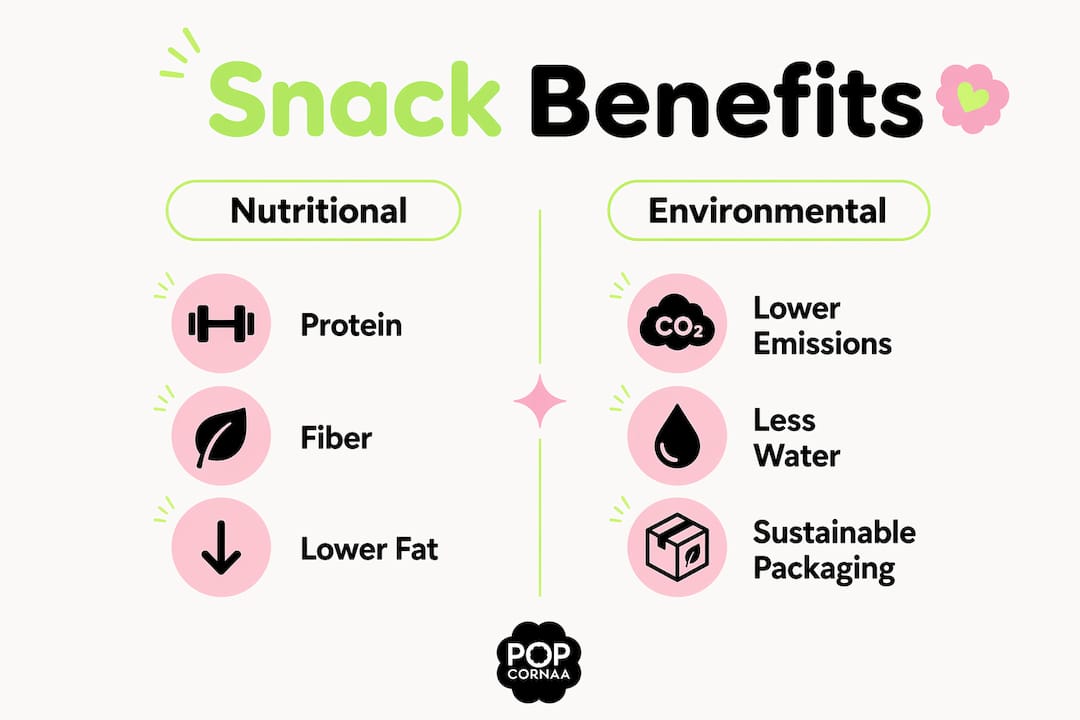
Plant-based snacks offer measurable nutritional advantages over many conventional snack options. The most significant are higher fibre content, lower saturated fat, and a broader range of micronutrients. These are not marketing claims. They are backed by specific data.

A half-cup serving of edamame provides about 9 grams of protein and fibre. Chickpea snacks deliver roughly 5.5 grams of protein and 3.8 grams of fibre per serving. Both figures compare favourably to most crisps or biscuits, which offer minimal protein and almost no fibre.
Beyond protein, plant-based proteins provide antioxidants, vitamins, and minerals that animal-based snacks rarely match. That combination supports gut health and cardiovascular function simultaneously. Dietitians now recommend plant-based protein snacks even for omnivores, precisely because of this broader nutrient mix.
The key benefits at a glance:
- Higher dietary fibre supports digestion and helps you feel fuller for longer
- Lower saturated fat reduces strain on the cardiovascular system
- Antioxidants and vitamins from whole plant ingredients support immune function
- Protein from legumes like chickpeas and edamame sustains energy without the additives common in processed meat snacks
- Gut-friendly fibre feeds beneficial bacteria and supports a healthy microbiome
Pro Tip: When choosing a plant-based snack for protein, look for at least 5 grams of protein per serving on the nutrition label. Edamame, roasted chickpeas, and mixed seed packs consistently hit this threshold without heavy processing.
The vegan snacks and health connection is stronger than many people realise. Swapping even one conventional snack per day for a whole-food plant-based alternative can shift your fibre intake meaningfully over a week.
How do plant-based snacks support environmental sustainability?
Choosing plant-based snacks is one of the most direct ways an individual can reduce their environmental footprint through food. The environmental case is straightforward. Growing plants for food requires significantly less water and land than raising animals for the same caloric output.
Livestock farming is a major contributor to greenhouse gas emissions globally. Every time you choose a snack made from chickpeas, nuts, or seeds instead of one containing meat or dairy, you reduce demand for that system. The cumulative effect of millions of people making that choice is substantial.
Consumer attitudes reflect this understanding. Sustainability drives purchasing decisions for 45% of UK shoppers overall, rising to 72% among Gen Z. That is not a fringe position. It is a mainstream consumer priority, particularly among younger buyers who will shape the market for decades.
The environmental benefits of plant-based snacking include:
- Lower water usage per kilogram of food produced compared to animal products
- Reduced land use freeing space for biodiversity and carbon sequestration
- Fewer greenhouse gas emissions linked to plant agriculture versus livestock
- Shorter supply chains when snacks use locally grown ingredients like British oats or peas
Packaging and transportation also matter. Sustainable snack brands in the UK are increasingly adopting compostable or recyclable packaging alongside plant-based ingredients. The two commitments reinforce each other. Choosing brands that address both the product and its packaging multiplies the positive impact.
What ethical reasons support choosing plant-based snacks?
The ethical case for plant-based snacks centres on animal welfare. Conventional snack production that relies on dairy, meat, or eggs connects directly to intensive farming practices. Those practices raise serious concerns about the conditions animals experience throughout their lives.
Choosing plant-based alternatives removes your personal demand from that system. It is a concrete, repeatable action rather than an abstract principle. Every purchase decision either supports or reduces demand for intensive animal farming.
Consumer concern over ethical food sourcing has grown steadily. People increasingly want to know where their food comes from and what conditions were involved in producing it. Plant-based snacks offer a clear answer. The ingredients are traceable, the production process does not involve animal exploitation, and the supply chain is generally more transparent.
The ethical and environmental dimensions also overlap. Intensive livestock farming contributes to deforestation, water pollution, and biodiversity loss. Choosing plant-based snacks addresses animal welfare and ecological ethics at the same time. These are not separate concerns. They are two expressions of the same underlying value: that the food system should cause as little harm as possible.
Understanding how vegan snacks are made helps you assess whether a brand’s ethical claims hold up in practice. Transparency in production is the clearest signal of genuine commitment.
How to identify genuinely healthy plant-based snacks
Not every plant-based snack is a healthy snack alternative. The health halo effect causes many people to assume that “plant-based” automatically means nutritious. It does not. Some plant-based products contain high levels of sugar, salt, or refined oils that undermine their health credentials.
The most reliable indicator of a genuinely healthy plant-based snack is a short, recognisable ingredient list. Roasted chickpeas with olive oil and sea salt. Mixed nuts with no added sugar. Puffed brown rice with tamari. These are whole-food based snacks. Their ingredient lists are brief because they do not need artificial binders, flavour enhancers, or preservatives.
Heavily processed plant-based snacks are a different matter. Ultra-processed plant-based foods often contain long lists of additives that a home cook would never use. The plant-based label on the front of the packet tells you nothing about that complexity.
Consumers are catching on. Functional benefits like protein and fibre now drive purchasing decisions more than generic plant-based labelling. Shoppers want to know: how much protein? How much fibre? What is actually in this?
| Snack type | Protein per serving | Fibre per serving | Processing level |
|---|---|---|---|
| Roasted chickpeas | 5.5g | 3.8g | Low |
| Edamame (shelled) | 9g | 4g | Minimal |
| Mixed nuts (unsalted) | 5–6g | 2–3g | Minimal |
| Seed mix (pumpkin, sunflower) | 5g | 2g | Minimal |
| Plant-based protein bar | 10–15g | 3–5g | High |
| Puffed rice snacks | 2g | 1g | Medium |
Pro Tip: Flip the packet over before you buy. If the ingredient list runs to more than eight or ten items and includes words you cannot pronounce, put it back. The best plant-based snacks need very little to taste good.
The vegan snack selection guide from Popcornaa walks through exactly this kind of label-reading process in practical detail. It is worth bookmarking if you are building a regular plant-based snacking habit.
What are some practical plant-based snack ideas for daily life?
Plant-based snack ideas do not need to be complicated. The best options are often the simplest, and many require almost no preparation.
- Roasted chickpeas are one of the most satisfying whole-food snacks available. Moisture-control roasting achieves a genuine crunch without heavy oil use. Toss a tin of drained chickpeas with olive oil, smoked paprika, and a pinch of sea salt, then roast at 200°C for 25–30 minutes. The result is a crisp, protein-rich snack that holds up well in a lunchbox.
- Edamame pods are ideal for on-the-go snacking. Buy them frozen, steam or microwave for three minutes, and season with a little sea salt or tamari. They deliver 9 grams of protein per half-cup serving with almost no effort.
- Mixed seed packs work well at a desk. Pumpkin seeds, sunflower seeds, and hemp seeds together provide protein, healthy fats, and magnesium. Pre-portion them into small containers at the start of the week to avoid overeating, since the calorie density of seeds is high.
- Nut butter with apple slices combines fibre from the fruit with protein and healthy fat from the nut butter. Almond butter and peanut butter both work. Choose versions with no added sugar or palm oil.
- Gourmet vegan popcorn is an underrated option. Air-popped popcorn is a whole grain with genuine fibre content. When made without refined sugar or artificial flavourings, it is one of the most satisfying low-calorie snacks available. Popcornaa’s range of plant-based snacking options shows how far flavour innovation has come in this category.
Mindful snacking matters too. Nuts and seeds are nutritionally excellent but calorie-dense. A small handful is a snack. A large bowl is a meal. Portioning in advance removes the temptation to graze without thinking.
Key takeaways
Plant-based snacks deliver genuine health, environmental, and ethical benefits when chosen carefully, with whole-food options like edamame, roasted chickpeas, and nuts offering the strongest nutritional value.
| Point | Details |
|---|---|
| Nutritional value is real | Edamame provides 9g protein per half-cup; chickpea snacks offer 5.5g protein and 3.8g fibre per serving. |
| Sustainability matters | 45% of UK shoppers cite sustainability as a purchase driver, rising to 72% among Gen Z. |
| Ethical eating is concrete | Choosing plant-based snacks directly reduces demand for intensive animal farming. |
| Avoid the health halo | “Plant-based” does not guarantee health. Short ingredient lists are the most reliable quality signal. |
| Simplicity wins | Roasted chickpeas, edamame, mixed nuts, and air-popped popcorn are the most accessible whole-food options. |
What I have learned from watching the plant-based snack market evolve
I have spent years watching the snack market shift, and what strikes me most is how the conversation has changed. A few years ago, “plant-based” was enough of a selling point on its own. Brands slapped it on the front of a packet and expected it to do the work. Shoppers are far more discerning now, and rightly so.
The thing that stopped me in my tracks recently was realising how many people still assume that plant-based automatically means healthy. It does not. I have seen plant-based snacks with more sugar than a chocolate bar and more salt than a bag of crisps. The label tells you about the source of ingredients, not the quality of the product.
What I genuinely believe is this: the best plant-based snacks are the ones that barely need a label at all. Roasted chickpeas. A handful of walnuts. Edamame with sea salt. These are not trends. They are just good food. The market is finally catching up to that idea, with whole-ingredient integrity becoming the focus rather than simple animal product replacement.
My honest advice is to spend less time reading the front of the packet and more time reading the back. If the ingredient list reads like a recipe you could make at home, you are on the right track. If it reads like a chemistry textbook, put it down and find something simpler.
— Emily
Popcornaa’s plant-based snacks: flavour without compromise
If you are ready to put these ideas into practice, Popcornaa makes it genuinely easy to snack well without sacrificing flavour.
[ ](https://www.popcornaa.com › pages › asian-fusion-taster-box)
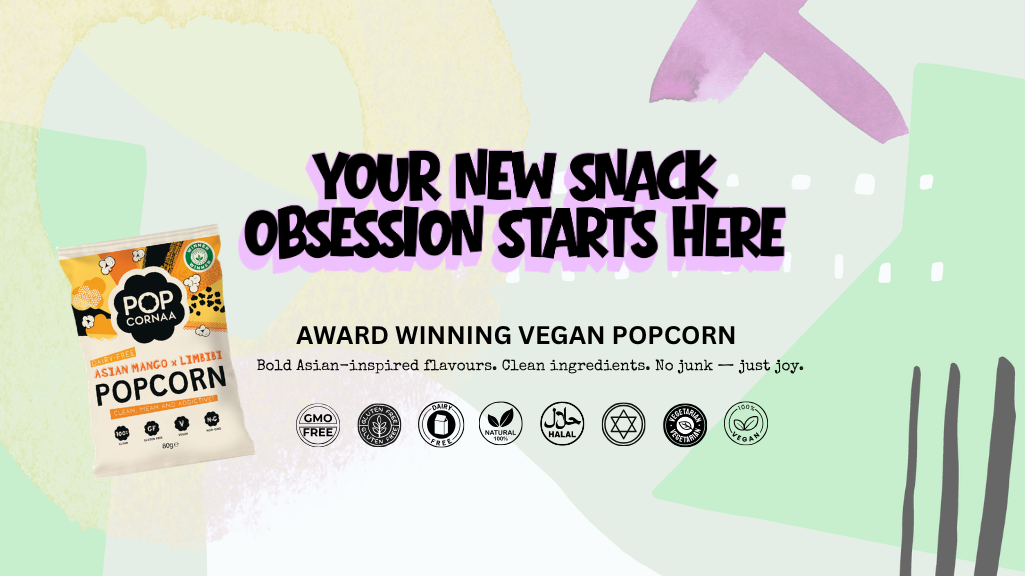
Popcornaa specialises in gourmet vegan popcorn crafted with real, recognisable ingredients and no animal-derived components. The range spans Asian-inspired and British flavours, from bold and savoury to lightly sweet, all made with the kind of short ingredient lists this article has been championing. The custom snack pack builder lets you choose exactly which flavours you want, so you are never stuck with a selection that does not suit you. It is a practical, personalised way to bring better plant-based snacking into your routine, whether for yourself or as a gift.
FAQ
What makes a snack count as plant-based?
A plant-based snack contains only ingredients derived from plants, including legumes, grains, nuts, seeds, fruits, and vegetables, with no meat, dairy, eggs, or other animal products.
Are plant-based snacks actually healthier than regular snacks?
Whole-food plant-based snacks like roasted chickpeas and edamame are generally higher in fibre and lower in saturated fat than conventional snacks. However, heavily processed plant-based products can still contain high levels of sugar, salt, or refined oils, so ingredient scrutiny remains important.
How much protein do plant-based snacks provide?
Edamame provides about 9 grams of protein per half-cup serving, while chickpea snacks offer around 5.5 grams per serving. Mixed nuts and seed packs typically deliver 5–6 grams per portion.
Why do younger consumers prefer plant-based snacks?
Sustainability is the primary driver. 72% of Gen Z shoppers in the UK cite sustainability as a key factor in their snack-buying decisions, compared to 45% of shoppers overall.
How do I avoid ultra-processed plant-based snacks?
Choose snacks with short, recognisable ingredient lists. Minimal-ingredient snacks like roasted chickpeas or unsalted mixed nuts are the clearest sign of low processing and genuine nutritional value.