

Why popcorn is a trending snack right now
TL;DR:
- Popcorn has shifted from a cinema snack to a daily health-conscious and flavor-rich alternative, with rapid market growth projected through 2036. Its genuine health benefits, innovative flavors, and sustainable sourcing have driven consumer loyalty and popularity worldwide. Modern convenience formats and cultural appeal further reinforce popcorn’s position as a versatile, ethical, and premium snack choice.
Popcorn has quietly outgrown its cinema-seat reputation. What used to be something you grabbed at the multiplex is now showing up in artisan gift boxes, office desks, and health-conscious shopping baskets across the UK and beyond. If you have been wondering why popcorn is a trending snack that seems to be everywhere at once, the answer is more layered than you might expect. It comes down to a rare combination of real nutritional value, extraordinary flavour variety, and a shift in how we think about snack choices today. This article unpacks all of it.
Key takeaways
| Point | Details |
|---|---|
| Popcorn market is growing fast | The global popcorn market is projected to nearly double by 2036, driven by daily health-conscious snacking habits. |
| Health credentials are genuine | As a whole grain with gut-friendly fibre, popcorn holds a real nutritional advantage over most fried snacks. |
| Flavour innovation is accelerating | Limited-edition and gourmet flavours now represent 12 to 18% of new product launches, up from under 5% in 2018. |
| Convenience formats are winning | Ready-to-eat popcorn holds 62% of market share, reflecting how snackers prioritise ease without compromising taste. |
| Ethics and sustainability matter | Sustainability-focused brands are seeing measurable gains in consumer loyalty, reshaping purchase decisions across all snack categories. |
Why popcorn is a trending snack: the market shift
Something significant has happened in the snack aisle over the past five years. Popcorn has moved decisively away from its impulse-buy, cinema-only identity and into the everyday routines of health-aware, flavour-curious consumers around the world.
The numbers tell a clear story. The global popcorn market is forecast to grow from USD 7.00 billion in 2025 to USD 14.43 billion by 2036, at a compound annual growth rate of between 6.8% and 8.4%. That kind of trajectory does not happen by accident. It reflects a deliberate repositioning, from occasional cinema treat to daily snacking staple, backed by real consumer demand.
| Segment | Market value (2025) | Projected value (2036) |
|---|---|---|
| Global popcorn market | USD 7.00 billion | USD 14.43 billion |
| Ready-to-eat share | 62% of total volume | 40-45% of volume growth by 2035 |
| Gourmet and limited-edition launches | 12-18% of new products | Continuing upward trend |
What is driving this shift? Consumers are actively comparing popcorn against traditional fried crisps and corn snacks, and popcorn is winning on multiple fronts. It carries a whole-grain classification, a cleaner ingredient list, and a far more exciting flavour narrative than a standard salted crisp can offer. The UK snack market in particular has seen strong growth in premium and better-for-you snack formats, with popcorn sitting at the centre of that conversation.
Regional adoption is broadening too. While North America historically dominated consumption, markets across Asia, the Middle East, and Europe are now growing at pace. The appetite for globally inspired flavours has helped popcorn travel, which is precisely why you are seeing matcha, miso caramel, and spiced mango options appear alongside classic butter and cheese.
Health credentials that hold up under scrutiny
Let us be honest. Many snacks claim a health halo that does not survive close inspection. Popcorn is different, and that distinction matters enormously to today’s snacker.
As a whole grain, air-popped popcorn delivers gut-friendly fibre in a genuinely low-calorie format. Three cups of air-popped popcorn contain roughly 90 calories and around 3.5 grams of fibre. For context, that is more fibre per calorie than most popular crisp alternatives. According to research on functional snack demand, 70% of American consumers actively seek snacks with added fibre, and 80% want those functional benefits without any compromise on taste. Popcorn genuinely delivers on both.
The clean-label movement has also worked in popcorn’s favour. Shoppers are reading ingredient lists more carefully than ever, and a bag with corn, a drizzle of oil, and sea salt reads very differently to one packed with emulsifiers and artificial flavourings. This simplicity has become a selling point in itself.
Here is what makes the biggest difference to the nutritional profile:
- Air-popped preparation keeps calorie counts low and avoids unnecessary fats entirely
- Natural seasoning blends using real spices, herbs, and fruit powders replace synthetic additives
- Portion-controlled single-serve bags support mindful eating without requiring willpower
- Absence of refined sugar in savoury variants makes popcorn a genuinely satisfying snack between meals
Pro Tip: Pair air-popped popcorn with a small handful of nuts or seeds if you want a genuinely balanced snack. You get the whole-grain fibre from the popcorn alongside healthy fats and protein, which keeps hunger at bay far longer than popcorn alone.
Preparation method matters considerably here. The gap between heavily buttered cinema popcorn and a clean, air-popped version with a light seasoning coating is enormous in calorie terms. Understanding that distinction helps you make popcorn work genuinely well in your diet, not just feel like it should.
Flavour innovation is changing everything
If health credentials get people interested, flavour is what makes them stay. This is where popcorn trends have been most dramatic, and where the snack category has genuinely surprised the food industry.
Limited-edition and gourmet flavours now represent 12 to 18% of new popcorn product launches, compared with under 5% in 2018. That is a staggering acceleration, and it reflects both consumer appetite for novelty and the technological progress that has made complex flavours achievable at scale.
The flavour experimentation happening in popcorn right now is worth paying attention to:
- Global spice profiles. Korean gochujang, Japanese yuzu, Indian chaat masala, and Thai sweet chilli are moving from niche to mainstream, reflecting how multicultural palates are reshaping snack choices today.
- Dessert-inspired variants. Salted caramel remains a bestseller, but brown butter toffee, passionfruit, and even bubble tea popcorn are finding real audiences.
- Umami and savoury complexity. Miso, truffle, smoked paprika, and aged cheese flavours position popcorn firmly in the adult snacking space.
- Limited-edition collaborations. Tie-ins with films, artists, and cultural moments have turned popcorn into a collectible product in its own right.
Advanced oil-free flavour-adhesion technologies now allow even, thorough seasoning coverage on individual kernels without any added fat, which means bold flavours no longer require heavy coatings to stick. This is a quiet but significant popcorn innovation. It means you get the flavour hit without the grease, which aligns perfectly with clean-eating expectations.
Formats have evolved too. Ready-to-eat popcorn already accounts for 62% of market share, and single-serve cup formats are expected to capture 40 to 45% of total volume by 2035. Microwave bag sales are genuinely declining as pre-popped, ready-to-eat formats take over. Consumers want great popcorn without the wait, the smell, or the unpredictable results of home popping.
Cultural and social drivers behind the trend
Numbers and nutrition only explain part of the story. Popcorn’s cultural moment has been shaped by something more human. It is tied to how we socialise, how we share, and how we treat ourselves.
The rise of at-home entertainment, accelerated considerably since 2020, created a new ritual around sharing snacks during film nights, gaming sessions, and casual gatherings. Popcorn fits that occasion perfectly. It is communal, light, and it does not dominate the way heavier snacks can. It invites conversation rather than shutting it down.
What has also been fascinating to watch is the role of packaging as a social object. Licensed character-themed popcorn buckets now command a 25 to 40% price premium, driven almost entirely by social media desirability and collector culture. People genuinely queue for a limited-edition popcorn vessel. That tells you something profound about how the snack has been repositioned, from commodity food to cultural moment.
On a more everyday level, popcorn’s portability makes it one of the most practical snacks going. A sealed bag travels well in a gym bag, a desk drawer, or a child’s lunchbox. It does not melt, crumble catastrophically, or leave residue on your hands during a meeting. For the on-the-go snacker, those qualities matter enormously.
Sustainability and ethical sourcing
There is a third dimension to why consumers are choosing popcorn over competing snacks, and it has nothing to do with taste or nutrition directly. It is about values.
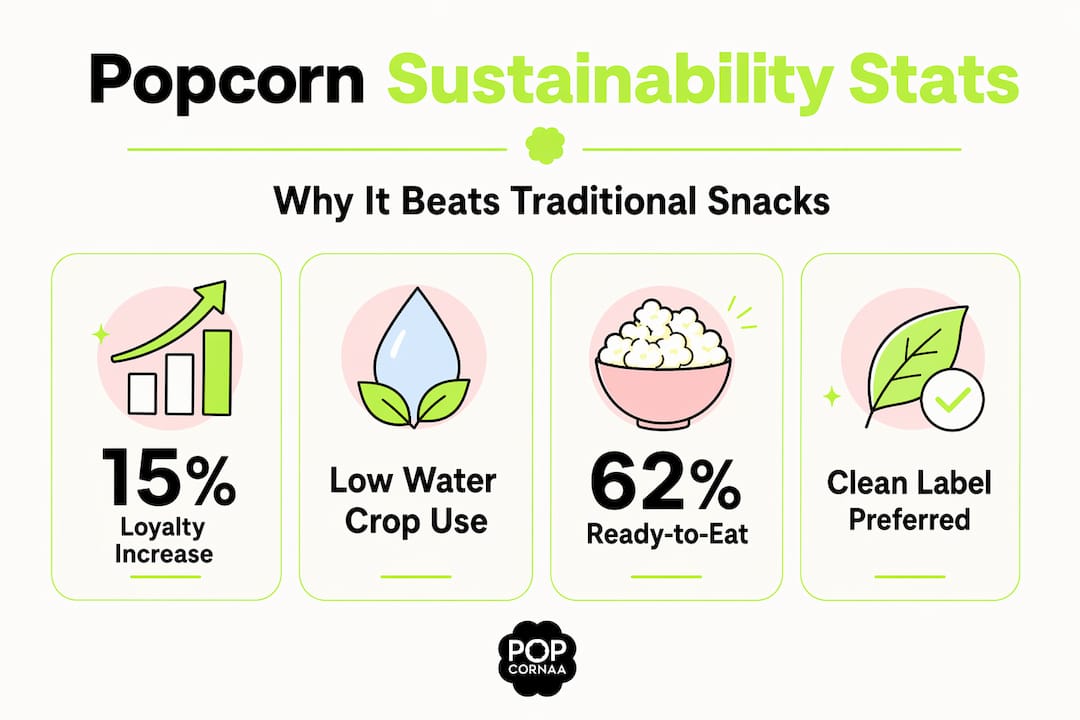
Sustainability-focused snack brands are recording a 15% increase in consumer loyalty compared to conventional alternatives. That is not a small margin. It reflects a genuine shift in how purchase decisions are being made, particularly among younger consumers who factor environmental impact into their snack choices today almost instinctively.
Popcorn has a natural advantage here. Maize is a crop that requires relatively modest water and land inputs compared to the ingredients in many processed snacks. When brands build on that foundation with genuinely sustainable packaging, transparent supply chains, and non-GMO or organic sourcing, they are meeting a demand that is only growing stronger.
Pro Tip: When buying popcorn gifts or sharing packs, look for brands that specify their corn sourcing and use recyclable or compostable packaging. Those details signal a level of care that tends to carry through to ingredient quality and flavour too.
Clean-label and ethical practices are no longer niche preferences. They are becoming baseline expectations, particularly in the premium and gifting segments where popcorn has found such strong footing.
My honest take on what is really driving this
I have spent years working in food and watching snack trends come and go. Some of them are built on clever marketing with very little substance underneath. Popcorn’s rise feels genuinely different to me.
What stopped me in my tracks when I first started paying close attention to popcorn innovations was realising how perfectly it sits at the intersection of health and indulgence. It is not a snack that asks you to compromise. You can have something that tastes extraordinary and still feel good about what you ate. As a parent, that balance matters to me enormously. Finding things that children will actually eat, that do not come loaded with refined sugar or artificial flavourings, is harder than it sounds.
I have also become convinced that packaging is wildly underestimated as a driver of snack loyalty. A beautiful, thoughtfully designed box of gourmet popcorn does not just taste better in the mind. It genuinely changes the experience of eating it. There is a reason premium flavour experiences have been such a strong growth area.
My prediction for the next few years? The brands that will thrive are those that treat popcorn seriously as a craft product. Not just a better crisp, but something with genuine culinary identity. The flavour experimentation we are seeing now is only the beginning.
— Emily
Discover what Popcornaa does differently
[ ](https://www.popcornaa.com › pages › asian-fusion-taster-box)
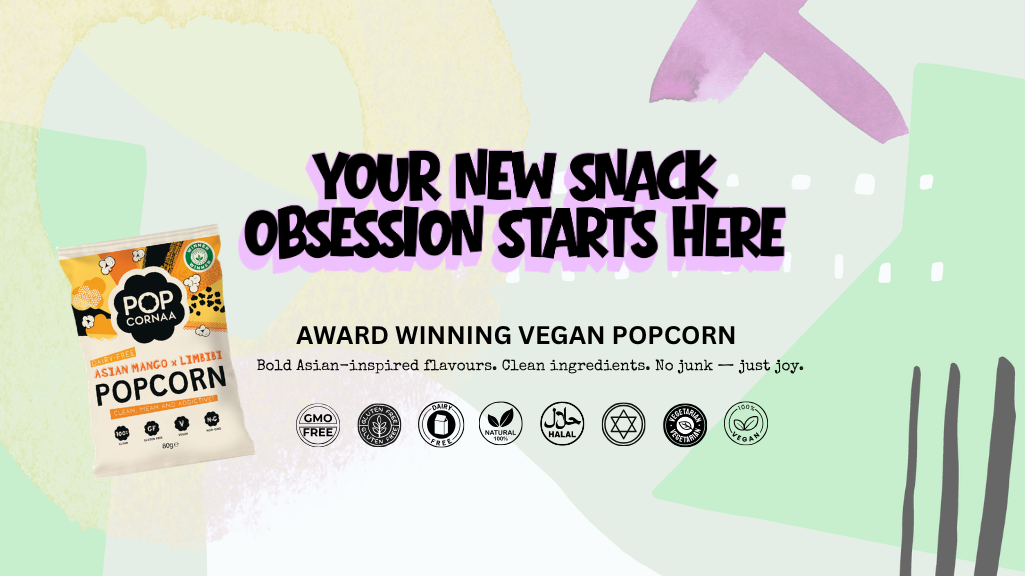
Everything we have covered here, the health credentials, the flavour ambition, the ethical sourcing, sits at the heart of what Popcornaa has built. At Popcornaa, every kernel starts with clean, dairy-free ingredients and no compromise on flavour. The range spans gourmet vegan popcorn with Asian-inspired and Brit-Core profiles that you genuinely will not find anywhere else. If you want to explore properly, the custom snack pack option lets you build your own selection from across the full flavour range. It is also one of the most thoughtful gifts going. Popcornaa ships with sustainable packaging and sources responsibly, because those commitments are baked into the brand from the beginning, not added as an afterthought.
FAQ
Why has popcorn become so popular recently?
Popcorn has grown in popularity because it genuinely delivers on health, flavour variety, and convenience all at once. The global popcorn market is on track to double in value by 2036, driven by consumers repositioning it from a cinema treat to a daily snack.
Is popcorn actually a healthy snack?
Air-popped popcorn is a whole grain with meaningful fibre content and relatively few calories, giving it a genuine nutritional advantage over most fried crisps and corn-based snacks. Preparation method matters considerably, as heavily coated versions carry a much higher calorie load.
What are the most popular popcorn flavours right now?
Gourmet and globally inspired flavours are dominating new product launches, with options like miso caramel, gochujang, yuzu, and tropical fruit sitting alongside classics like salted caramel. Limited-edition and licensed variants are also commanding significant price premiums due to their collectible appeal.
Is ready-to-eat popcorn better than microwave popcorn?
Ready-to-eat popcorn now accounts for 62% of the market because it offers consistent quality, cleaner ingredients, and genuine convenience. Microwave popcorn sales are declining as consumers prefer pre-popped formats that require no preparation and deliver more predictable results.
How does sustainability affect popcorn buying decisions?
Sustainability-focused snack brands are seeing a 15% uplift in consumer loyalty, reflecting how much ethical sourcing and responsible packaging now influence purchase decisions, particularly in the premium and gifting segments.