

Why vegan snacks are popular: the 2026 guide
TL;DR:
- Vegan snacks appeal for their health, ethical sourcing, and environmental benefits, driving long-term market growth.
- Consumers prefer minimally processed, nutrient-rich options like legume-based snacks that support health and sustainability.
Vegan snacks are popular because they meet three demands at once: better nutrition, ethical sourcing, and environmental responsibility. The UK healthy snacks market is projected to reach USD 28.17 billion by 2032, with free-from and vegan options driving the bulk of that growth. That figure tells you something important: this is not a passing food trend. It reflects a genuine, lasting shift in how people think about what they eat between meals. The rise of mindful snacking, where every bite is expected to do something useful for the body, has placed plant-based options at the centre of the modern snack aisle.
Why vegan snacks are popular: the health case
The health argument for plant-based snacking is stronger than most people realise. Consumers prefer vegan snacks that are minimally processed and built from whole-food ingredients. That preference has pushed formats like roasted chickpeas, lentil crisps, and nut mixes to the front of the market, while heavily processed meat analogues have lost ground.
Here is what makes the nutritional profile of vegan snacks genuinely appealing:
- Higher fibre content. Legume-based snacks deliver gut-friendly fibre that supports digestion and keeps you fuller for longer. The “fibermaxxing” trend, where people actively seek high-fibre foods, has made this a selling point rather than a footnote.
- Plant protein. Pea, fava, and lentil proteins provide meaningful protein per serving. Highlighting protein content on packaging pushes consumer conversion rates from under 25% to over 50%. That is a dramatic shift driven by a single label change.
- No animal-derived additives. Vegan snacks exclude gelatine, dairy, and animal fats. For people with lactose sensitivity or those simply trying to reduce their intake of saturated fat, this matters enormously.
- Nuts and dried fruits. These deliver healthy fats and natural satiety without refined sugar or artificial flavourings. They are widely regarded as “honest” snacks that fuel the day without guilt.
- Sustained energy. Complex carbohydrates from whole grains and pulses release energy slowly, avoiding the blood sugar spike and crash that comes with many conventional snack formats.
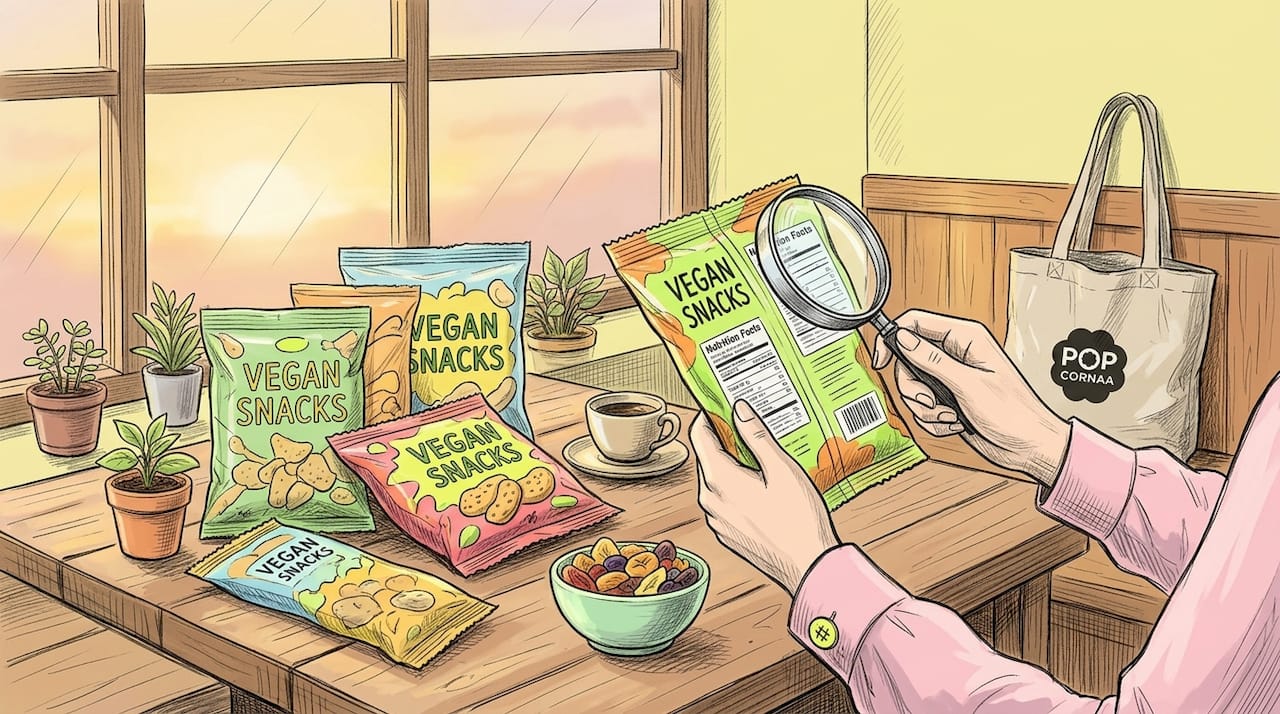
Pro Tip: When choosing a vegan snack, check the ingredient list before the front-of-pack claims. If the first three ingredients are whole foods you recognise, that is a reliable sign of a clean label product.
The real role of vegan snacks in health goes beyond avoiding animal products. It is about choosing foods that actively support your body rather than simply filling a gap between meals.
How do ethical and environmental concerns drive vegan snack choices?
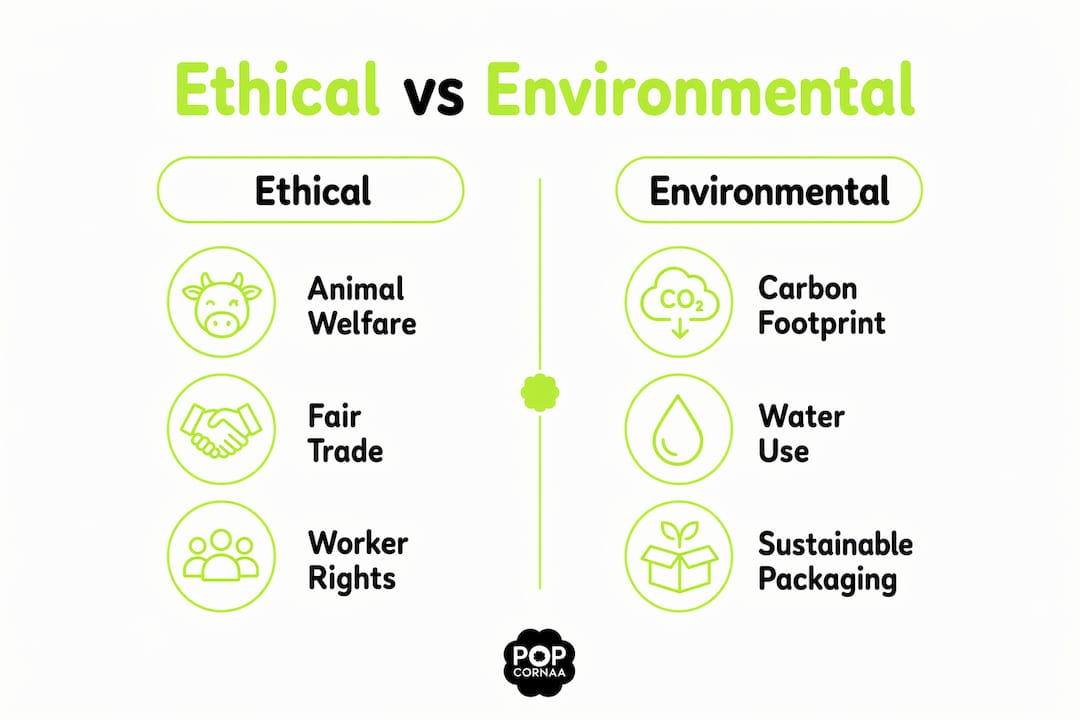
Ethics and sustainability are now purchase drivers, not background considerations. Sustainability influences 45% of UK shoppers in their snack choices. Among Gen Z consumers, that figure rises to 72%. These are not small numbers. They represent a generation that treats food choices as moral decisions.
The motivations behind this shift are worth unpacking:
- Animal welfare. Choosing snacks free from animal-derived ingredients is a direct, daily expression of concern for how animals are treated in food production.
- Carbon footprint. Plant-based ingredients generally require less land, water, and energy to produce than animal-derived ones. Choosing a bag of roasted lentils over a meat-based snack carries a measurably lower environmental cost.
- Vegan certification. Over 72,000 products globally hold the Vegan Trademark certification. That number signals to shoppers that a product has been independently verified, which builds trust in a crowded market.
- Transparent sourcing. Consumers increasingly want to know where ingredients come from. Brands that publish their supply chain information attract loyalty from shoppers who treat purchasing as a form of advocacy.
- Mainstream adoption. Vegan snacking has moved well beyond its niche origins. Sustainable snack brands in the UK now compete directly with conventional snack giants on shelf space, flavour, and price.
The shift from niche to mainstream is perhaps the most significant development in this space. Ethical consumption is no longer the preserve of committed vegans. It has become a value shared by a broad and growing cross-section of British shoppers.
What market trends support the rise of plant-based snacking?
The numbers behind vegan snack trends are striking. Healthy snacking sales rose 39% in the UK between 2023 and 2024. That is not incremental growth. It signals a structural change in how British consumers approach between-meal eating.
| Trend | What it means for shoppers |
|---|---|
| Free-from dominance | Vegan and free-from options account for approximately 75% of the UK healthy snack market share |
| Protein labelling impact | Clear protein claims push purchase conversion from under 25% to over 50% |
| Gen Z sustainability premium | 72% of Gen Z shoppers factor sustainability into snack purchases |
| Mindful snacking shift | Consumers choose functional foods that deliver nutrition, not just calories |
| Price sensitivity | Mainstream shoppers remain cost-conscious, favouring brands that balance quality with value |
The category has also matured in an interesting way. Early plant-based snacking was dominated by meat alternatives trying to replicate familiar formats. The current wave focuses on protein and fibre optimisation using ingredients that stand on their own merits. Chickpea puffs, edamame crisps, and trail mixes built around nuts and seeds are popular because they taste good and deliver genuine nutritional value, not because they pretend to be something else.
Price sensitivity varies significantly between consumer segments. Health-conscious Millennials and Gen Z shoppers pay a premium for ethical, nutrient-dense snacks. Mainstream grocery shoppers, under pressure from the cost of living, are more likely to switch to private-label alternatives if branded vegan snacks are priced too high. Brands that ignore this dynamic risk losing the very customers they worked hard to attract.
Pro Tip: If budget is a concern, look for vegan snacks sold in larger sharing formats. The per-serving cost is almost always lower, and you get the same nutritional benefit without paying a premium for individual packaging.
You can find a thorough breakdown of vending machine snack trends that shows how plant-based options are now appearing in everyday convenience settings, not just health food shops.
How is innovation shaping unique vegan snacks in 2026?
Product innovation is the reason vegan snacks have moved from “acceptable alternative” to genuinely preferred choice for many shoppers. The best vegan snacks in 2026 are not compromises. They are products built from the ground up to deliver on taste, texture, and nutrition simultaneously.
The key developments driving this progress include:
- Advanced plant protein extraction. Pea, fava, and lentil proteins have improved dramatically in taste and functionality. Plant-based protein innovation now allows snacks to deliver satisfying textures without the chalky aftertaste that put many shoppers off earlier products.
- Clean label formulation. Consumer scrutiny of ingredient lists has intensified. Shoppers reject snacks containing refined oils, artificial flavourings, or lengthy additive lists. The most successful new products use five ingredients or fewer.
- Premium flavour development. Gourmet vegan snacks now span bold, complex flavour profiles. Asian-inspired seasonings, smoked spices, and fermented flavour notes have made plant-based snacking genuinely exciting. You can explore trending gourmet vegan flavours to see how far the category has come.
- Convenient ready-to-eat formats. Portioned bags, sharing buckets, and snack boxes make vegan options as easy to grab as any conventional snack. Convenience was once a barrier for plant-based eating. It no longer is.
- Novel ingredients. Formats like chickpea puffs, roasted broad beans, and mixed seed clusters are growing fast. They deliver fibre and protein in formats that feel indulgent rather than medicinal.
The plant-based snack ideas available in 2026 reflect a category that has stopped apologising for what it is not and started celebrating what it genuinely offers.
Key takeaways
Vegan snacks are popular because they combine functional nutrition, ethical sourcing, and genuine flavour innovation in formats that suit modern British lifestyles.
| Point | Details |
|---|---|
| Health drives first-choice status | Fibre, plant protein, and clean labels make vegan snacks nutritionally superior to many conventional options. |
| Ethics and sustainability matter | 45% of UK shoppers factor sustainability into snack choices, rising to 72% among Gen Z consumers. |
| Market growth is structural | Healthy snacking sales rose 39% in the UK in 2023–24, confirming a long-term behavioural shift. |
| Innovation has closed the taste gap | Advanced protein extraction and premium flavour development mean vegan snacks now compete on enjoyment, not just ethics. |
| Price competitiveness is critical | Brands that balance quality with accessible pricing retain both health-conscious and mainstream shoppers. |
My honest view on where vegan snacking is heading
I have watched this category evolve for years, and what strikes me most is how the conversation has changed. When I first started paying attention to plant-based snacks, the question was always “but does it taste good?” That question has largely been answered. The better question now is “does it actually nourish you?”
The market is full of products that wear vegan credentials on the front of the pack while hiding refined sugars, palm oil, and artificial flavourings in the small print. That gap between perception and reality frustrates me. Shoppers deserve better, and the brands doing it properly deserve more recognition.
My honest prediction is that the vegan snack category will continue to grow, but the winners will be brands that prioritise transparency above all else. Clear ingredient lists, honest nutritional claims, and competitive pricing will separate the lasting brands from the ones riding a trend. If you are choosing vegan snacks for health reasons, read the back of the pack, not the front. The front is marketing. The back is the truth.
The benefits of vegan snacking for energy are real, but only when the product is genuinely built around whole-food ingredients. That is the standard worth holding every brand to.
— Emily
Popcornaa’s take on clean, dairy-free vegan snacking
If you have spent any time reading ingredient labels on vegan snacks, you will know how rare it is to find something that is genuinely clean, genuinely tasty, and genuinely plant-based all at once.
[ ](https://www.popcornaa.com › pages › asian-fusion-taster-box)
Popcornaa was built around exactly that standard. Every product in the range is 100% dairy-free gourmet popcorn, crafted with clean ingredients and bold flavours inspired by Asian and British food culture. For those moments when you want to share something special, the large sharing vegan popcorn buckets are a genuinely satisfying option that holds up to scrutiny on both taste and ingredients. Popcornaa’s vegan range is worth exploring if you want snacks that match your values without making any compromises on flavour.
FAQ
Why are vegan snacks growing in popularity in the UK?
Vegan snacks are growing because they meet rising demand for healthier, more ethical, and environmentally responsible food choices. Healthy snacking sales rose 39% in the UK between 2023 and 2024, reflecting a lasting shift in consumer behaviour.
Are vegan snacks actually healthier than conventional snacks?
Vegan snacks built from whole-food ingredients, such as legumes, nuts, and seeds, deliver more fibre and plant protein than most conventional snack formats. The key is choosing minimally processed options with recognisable ingredients rather than ultra-processed alternatives.
What makes a vegan snack genuinely clean label?
A clean label vegan snack uses a short ingredient list of whole, recognisable foods with no artificial flavourings, refined oils, or added sugars. Consumer scrutiny of ingredient lists has intensified, making transparency a core purchase driver in 2026.
Do vegan snacks cost more than regular snacks?
Price sensitivity varies by consumer segment. Health-conscious Millennials and Gen Z shoppers pay a premium for ethical snacks, while mainstream shoppers are more cost-sensitive. Buying in larger sharing formats typically reduces the per-serving cost significantly.
Which vegan snack formats are most popular right now?
Chickpea puffs, roasted lentil crisps, nut and seed mixes, and gourmet popcorn are among the fastest-growing formats. These formats succeed because they deliver fibre, protein, and genuine flavour without relying on ultra-processed ingredients or meat-alternative mimicry.