

Why vegan snacks matter: health, ethics, and planet
TL;DR:
- Vegan snacks are plant-based foods that offer similar nutritional benefits as animal products. They significantly reduce environmental impacts and support ethical consumption.
Vegan snacks are plant-based food items free from all animal products, and they matter because they deliver genuine nutritional value, reduce environmental harm, and reflect a growing commitment to ethical eating. The global vegan snack market is valued at approximately USD 51.14 billion in 2026. That figure tells you something important: this is no longer a niche trend. Registered Dietitian Nutritionist Carol Aguirre confirms that well-planned plant-based snacks support muscle recovery, energy, and overall health on a par with animal-based alternatives. Whether you are curious about the benefits of vegan snacks or already committed to plant-based eating, the evidence for why vegan snacks matter is clear and compelling.
Why vegan snacks matter for your nutritional health
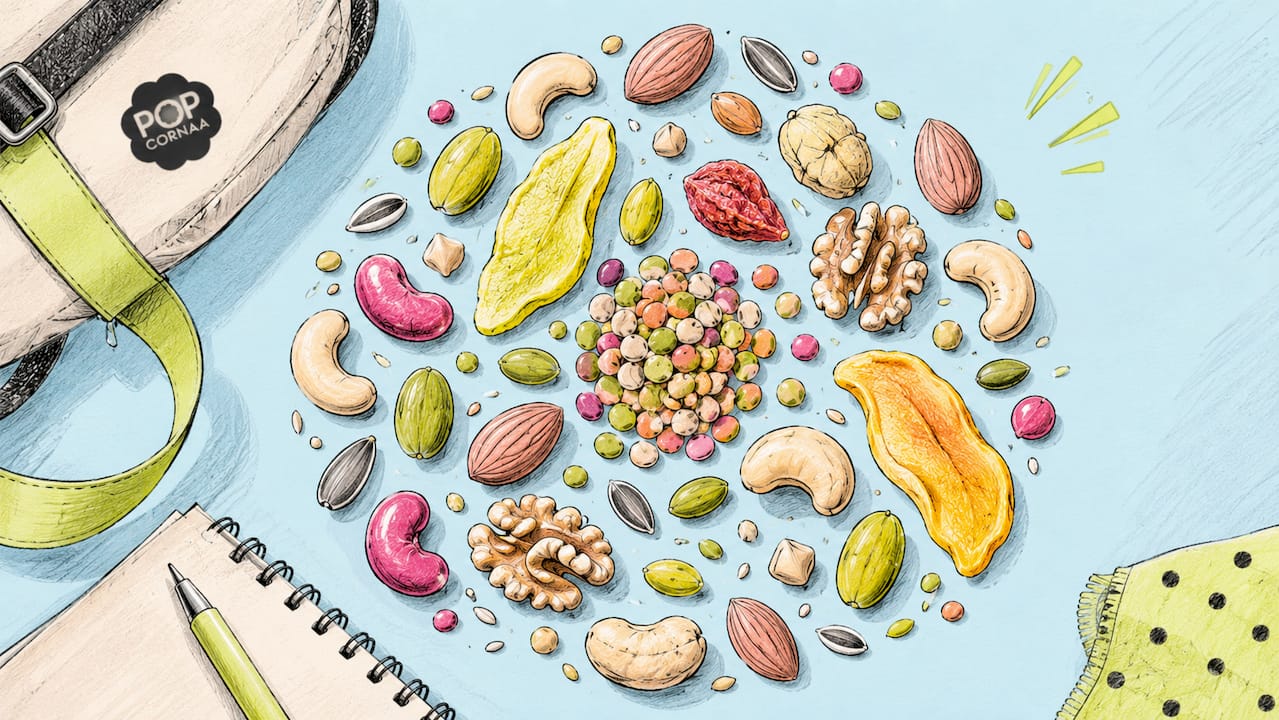
Plant-based snacks are nutritionally dense when chosen well. Nuts contain around 20 grams of protein per 100 grams, and chickpeas deliver approximately 19 grams per 100 grams. Those numbers rival many animal-based snacks and put the outdated belief that vegan options lack protein firmly to rest.
The nutritional value of vegan snacks extends well beyond protein. Whole plant foods supply iron, magnesium, potassium, and folate. These micronutrients support everything from red blood cell production to nerve function, and they arrive packaged with fibre and healthy fats rather than saturated fat.
Fibre is one of the most underrated benefits of vegan snacks. Dietary fibre lowers cholesterol and slows digestion, which means you feel fuller for longer and your blood sugar stays steadier. Vegan snacks built on whole plant sources, such as seeds, legumes, and wholegrains, deliver this gut-friendly fibre far more effectively than processed alternatives.
Healthy fats also play a key role. Combining plant proteins with sources of healthy fat, such as hemp seeds paired with nut butter, helps you meet protein targets while maintaining satiety. Hemp is a complete protein, meaning it contains all nine essential amino acids. That makes it a particularly useful addition to a plant-based snacking routine.
Key nutrients found in popular vegan snacks
| Snack | Protein per 100g | Key micronutrients |
|---|---|---|
| Almonds | ~21g | Magnesium, vitamin E, calcium |
| Chickpeas (roasted) | ~19g | Iron, folate, potassium |
| Hemp seeds | ~32g | All 9 essential amino acids, omega-3 |
| Edamame | ~11g | Folate, vitamin K, iron |
| Pumpkin seeds | ~19g | Zinc, magnesium, iron |
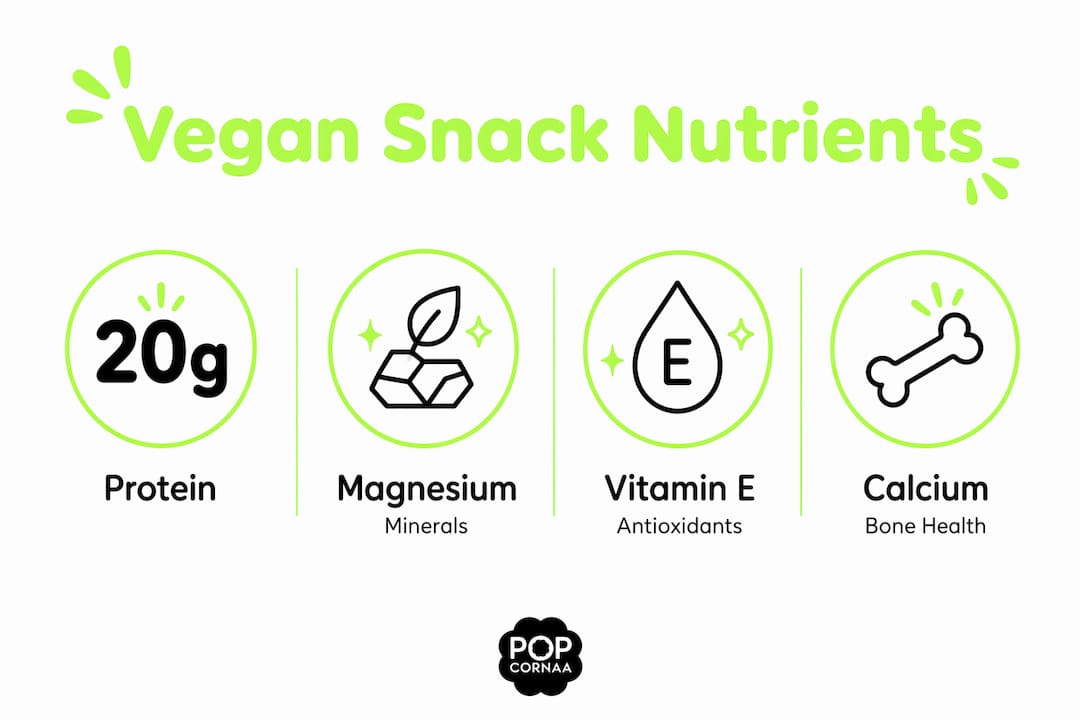
Vegan snacks also tend to be lower in calories per serving because of their fibre and water content. Higher fibre content promotes fullness and appetite control, which supports healthy weight management without the need for calorie restriction. That is a meaningful advantage for anyone trying to snack smarter rather than less.
Pro Tip: Pair a protein-rich plant snack like roasted chickpeas with a small handful of walnuts. The combination of protein, fibre, and healthy fat keeps energy levels stable for two to three hours, which is far more effective than a processed snack on its own.
How do vegan snacks support environmental sustainability?
The environmental footprint of plant-based snacks is substantially lower than that of animal-based production systems. Growing crops for direct human consumption uses less land, less water, and produces fewer greenhouse gas emissions than raising animals for food. Choosing plant-based snack options is one of the most direct ways a consumer can reduce their personal environmental impact.
Ethical considerations sit alongside environmental ones. Vegan snacks avoid animal welfare concerns entirely. For many consumers, that is not a secondary consideration. It is the primary reason they reach for a plant-based option over a conventional one.
The market reflects this shift. Consumer demand for clean, transparent ingredients is a major driver of the vegan snack market’s growth. Shoppers want to know what is in their food, where it came from, and whether its production caused harm. Vegan snacks, when sourced responsibly, answer all three questions clearly.
The importance of plant-based snacks also connects to broader food system thinking. A diet that relies more heavily on plant foods requires fewer natural resources at every stage of production. That matters at scale. When millions of people shift even a portion of their snacking habits toward plant-based options, the cumulative environmental benefit is significant.
- Lower land use compared to animal agriculture
- Reduced water consumption across the supply chain
- Fewer greenhouse gas emissions per serving
- No contribution to factory farming or animal welfare concerns
- Support for transparent, traceable ingredient sourcing
Are vegan snacks always what they claim to be?
Not every snack labelled “natural” or “plant-based” is actually vegan. Front-of-pack claims do not guarantee vegan status. Allergen statements must be checked for milk or egg content, and ingredient lists often reveal hidden animal derivatives such as gelatin, whey, casein, or lactose.
This catches a lot of shoppers off guard. A crisp flavoured with “cheese seasoning” may carry a plant-based badge on the front while listing milk powder in the ingredients. A chewy sweet labelled “fruit-flavoured” may contain gelatin derived from animal bones. Reading beyond the front label is non-negotiable if you want to snack with confidence.
Some mainstream snacks are accidentally vegan, meaning they contain no animal products despite not being marketed as such. Plain popcorn, many types of dark chocolate, certain crackers, and some crisps fall into this category. Knowing how to read an ingredient list gives you access to a much wider range of genuinely vegan snack options without paying a premium for specialist products.
Processed vegan snacks also deserve scrutiny. A snack can be technically vegan while being high in refined sugar, excessive salt, or artificial additives. The impact of vegan snacks on health depends on the quality of the ingredients, not just the absence of animal products.
Pro Tip: Always read the allergen statement printed below the ingredient list, not just the bold allergen highlights. Some manufacturers list milk or egg derivatives in the full ingredient list without bolding them, particularly in flavourings or emulsifiers.
How to build vegan snacks into your daily routine
Intentional snacking with plant-based foods is about nourishing your body, not restricting it. The goal is to combine protein, fibre, and healthy fat in each snack so that you feel genuinely satisfied rather than reaching for something else twenty minutes later.
A few practical combinations that work well:
- Chia pudding with vegan yogurt and mixed berries. Chia seeds provide omega-3 fatty acids and fibre. Vegan yogurt adds protein and probiotics. Berries contribute antioxidants and natural sweetness without refined sugar.
- Roasted chickpeas with a small portion of mixed nuts. This pairing delivers both legume protein and tree nut fats, covering a broad range of amino acids across two complementary plant sources.
- Wholegrain rice cakes with almond butter and sliced banana. The combination of complex carbohydrate, healthy fat, and natural fruit sugar provides steady energy without a blood sugar spike.
- Edamame with a sprinkle of sea salt and sesame seeds. Edamame is one of the few plant foods that qualifies as a complete protein on its own. Sesame seeds add zinc and additional healthy fat.
- Gourmet vegan popcorn as a flavourful, lower-calorie option. Air-popped popcorn is a wholegrain, naturally high in fibre, and satisfying in volume. Popcornaa’s Asian-inspired vegan flavours show how creative seasoning can make plant-based snacking genuinely exciting rather than a compromise.
Variety matters as much as nutrition. Eating a wide range of whole plant foods across the week gives you a broader spectrum of micronutrients than rotating through the same two or three snacks. Think of your snack choices as an opportunity to try something new, whether that is a different seed, a new legume, or a flavour combination you have never considered before.
Pro Tip: Batch-prepare two or three snack portions at the start of the week. Having roasted chickpeas or chia pudding ready in the fridge removes the decision fatigue that leads to reaching for less nutritious options when you are hungry and short on time.
For more inspiration on building a varied plant-based snacking habit, the vegan snack selection guide from Popcornaa covers how to choose better across different occasions and dietary goals.
Key takeaways
Vegan snacks deliver genuine nutritional value, a lower environmental footprint, and ethical transparency that animal-based snacks cannot match when chosen from whole plant sources.
| Point | Details |
|---|---|
| Protein is not a concern | Nuts and chickpeas each provide roughly 19–20g of protein per 100g. |
| Fibre drives satiety | Whole plant snacks lower cholesterol and slow digestion for lasting fullness. |
| Labels can mislead | Always check allergen statements; “plant-based” does not guarantee vegan status. |
| Environment benefits are real | Plant-based snacks use less land, water, and energy than animal-based alternatives. |
| Variety improves outcomes | Rotating different plant foods across the week broadens your micronutrient intake. |
What I have learned from watching the vegan snack market grow
I have watched the vegan snack market shift from a curiosity to a genuine cultural force, and what strikes me most is how the conversation has changed. A few years ago, the question was always “but where do you get your protein?” Now, people are asking which plant proteins combine best, and that is a much more interesting question.
What I find genuinely exciting is that the nutritional case for plant-based snacking has become impossible to dismiss. Carol Aguirre’s confirmation that well-planned vegan snacks support muscle recovery and energy just as effectively as animal-based options stopped me in my tracks when I first read it. Not because it was surprising, but because it was said plainly, without caveats.
The ethical and environmental dimensions matter to me personally. When I think about the choices I make for my family, I want those choices to reflect something. Choosing snacks that cause less harm, use fewer resources, and come from transparent supply chains feels like a small but real act of integrity. It is not about perfection. It is about direction.
What I would caution against is the assumption that any vegan label means healthy. The impact on health depends entirely on ingredient quality. A heavily processed vegan snack loaded with refined sugar is still a heavily processed snack. The goal is whole plant foods, prepared with care, and enjoyed with curiosity.
The vegan snack market’s growth to USD 51.14 billion is not just a commercial story. It reflects a genuine shift in how people think about food, health, and responsibility. I find that hopeful.
— Emily
Popcornaa’s vegan snack range: flavour with purpose
If you are ready to put the principles in this article into practice, Popcornaa makes it easy to start with something genuinely delicious.
[ ](https://www.popcornaa.com › pages › asian-fusion-taster-box)
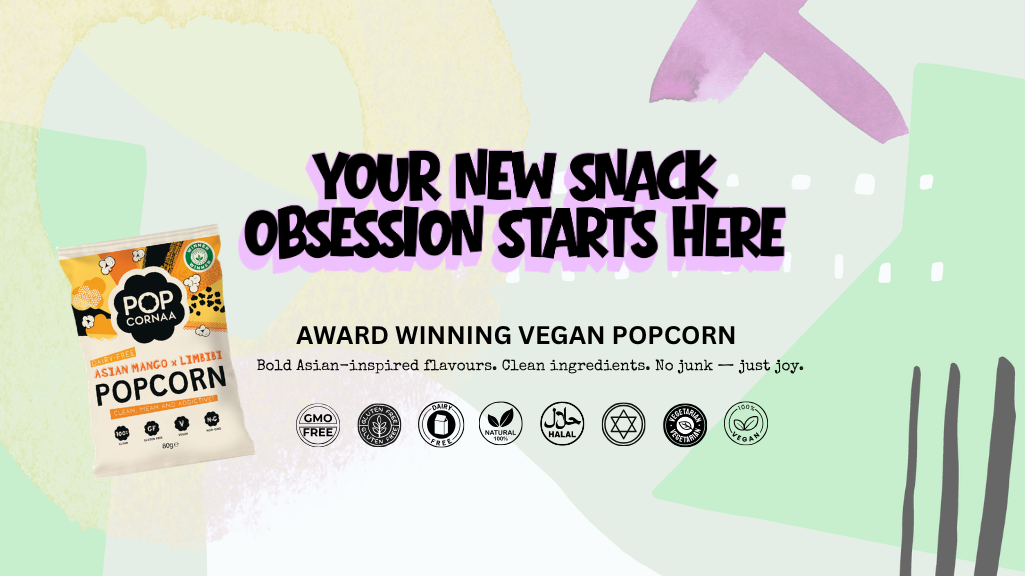
The Newbie Asian Fusion Taster Box is a five-bag vegan popcorn selection that brings together bold Asian-inspired flavours in a format that is convenient, plant-based, and free from artificial nasties. Each bag is crafted to show that ethical snacking does not mean sacrificing flavour. Popcornaa’s products have earned recognition at the Great Taste Awards 2024, which reflects the quality behind every bag. For anyone curious about where to begin with vegan snack options, this taster box is a genuinely satisfying place to start.
FAQ
What makes a snack truly vegan?
A truly vegan snack contains no animal products whatsoever, including dairy, eggs, gelatin, honey, and casein. Always check both the ingredient list and the allergen statement, as front-of-pack claims like “plant-based” do not guarantee vegan status.
Are vegan snacks healthy for everyday eating?
Vegan snacks based on whole plant foods, such as nuts, seeds, legumes, and wholegrains, are healthy for daily consumption. Their fibre and protein content supports satiety, blood sugar control, and sustained energy, though heavily processed vegan snacks should still be eaten in moderation.
How do vegan snacks compare nutritionally to animal-based snacks?
Nuts provide around 20g of protein per 100g and chickpeas around 19g, comparable to many animal-based snack options. Registered Dietitian Nutritionist Carol Aguirre confirms that well-planned vegan snacks support muscle recovery and energy similarly to animal-based alternatives.
Do vegan snacks really have a lower environmental impact?
Plant-based snacks require less land, water, and energy to produce than animal-based snacks. Environmental concerns are a primary driver of the growth in plant-based snack demand, and the difference in resource use across the supply chain is substantial.
What should I look for when buying vegan snacks?
Look for whole plant ingredients listed near the top of the ingredient list, minimal refined sugar and salt, and a clear allergen statement confirming no milk or egg derivatives. Choosing snacks with recognisable, traceable ingredients gives you the best nutritional and ethical outcome.