

Popcorn in pregnancy: is it a safe, healthy snack choice?
Yes, plain, air-popped popcorn is generally a safe and nutrient-dense snack during pregnancy when it’s not smothered in salt, butter, or sugar. It’s a whole grain that brings genuine fibre and modest protein to your day, and most midwives and dietitians have no issue with it as a regular between-meal option.
That said, the caveats matter as much as the headline. Portion control counts, the preparation method changes everything, and if you’re dealing with reflux or gestational diabetes, popcorn needs to fit into a wider plan rather than stand alone.
Plain air-popped popcorn, eaten in sensible portions and paired with a protein, is one of the more useful whole-grain snacks available in pregnancy.
Here’s what’s coming up:
- A quick safety summary and when to check with your provider
- The actual nutrition numbers, not vague claims
- The real benefits for pregnancy symptoms like constipation and blood sugar swings
- Portion guidance, risks to watch for, and how to prepare it properly
Key Takeaways
Plain, air-popped popcorn is a safe, fibre-rich whole grain in pregnancy when portioned to roughly one to two cups and kept free of heavy salt, butter, or sugar.
| Point | Details |
|---|---|
| Fibre for digestion | One ounce provides around 4.1g of fibre, helping ease pregnancy-related constipation. |
| Preparation matters most | Air-popped and unsalted popcorn is a health snack; buttered cinema varieties are not. |
| Pair with protein | Adding nuts, yoghurt, or cheese slows carbohydrate absorption, useful for gestational diabetes. |
| Watch for real risks | Unpopped kernels, excess sodium, and reflux triggers are the genuine concerns, not the corn itself. |
| PopCornaa offers a ready-made option | Gourmet vegan popcorn made without heavy butter or salt suits pregnant readers wanting a prepared, flavourful choice. |
Can pregnant women eat popcorn? A safety summary
Yes. Plain, air-popped popcorn is considered a safe snack in pregnancy, and it turns up as an accepted whole-grain option in NHS pregnancy nutrition resources. Most of the risk associated with popcorn has nothing to do with the corn itself. It comes from what gets added to it, or how it’s chewed and swallowed.
The health value of popcorn comes down almost entirely to preparation. Air-popped and unsalted, it’s a whole grain. Drenched in butter and salt from a cinema counter, it’s a very different food.
A few situations call for a conversation with your midwife, GP, or dietitian before making popcorn a habit:
- Severe or worsening reflux and heartburn
- Gestational diabetes, where carbohydrate portions need individual counting
- Difficulty chewing, dental pain, or a history of choking on dry foods
- Any swallowing changes that appear suddenly
If popcorn triggers sharp abdominal discomfort, persistent choking sensations, or you notice a tooth has been damaged by an unpopped kernel, that’s worth a call to your provider rather than something to push through.
What’s actually in a serving of popcorn?
Numbers help here more than adjectives. A single cup of air-popped, unsalted popcorn (roughly 8 grams) provides about 31 calories, 1.2 grams of fibre, 1 gram of protein, and 6.2 grams of carbohydrate, according to Medical News Today’s nutrition breakdown. A standard ounce serving provides a proportional increase in calories and fibre consistent with air-popped popcorn nutrition, based on the same figures.
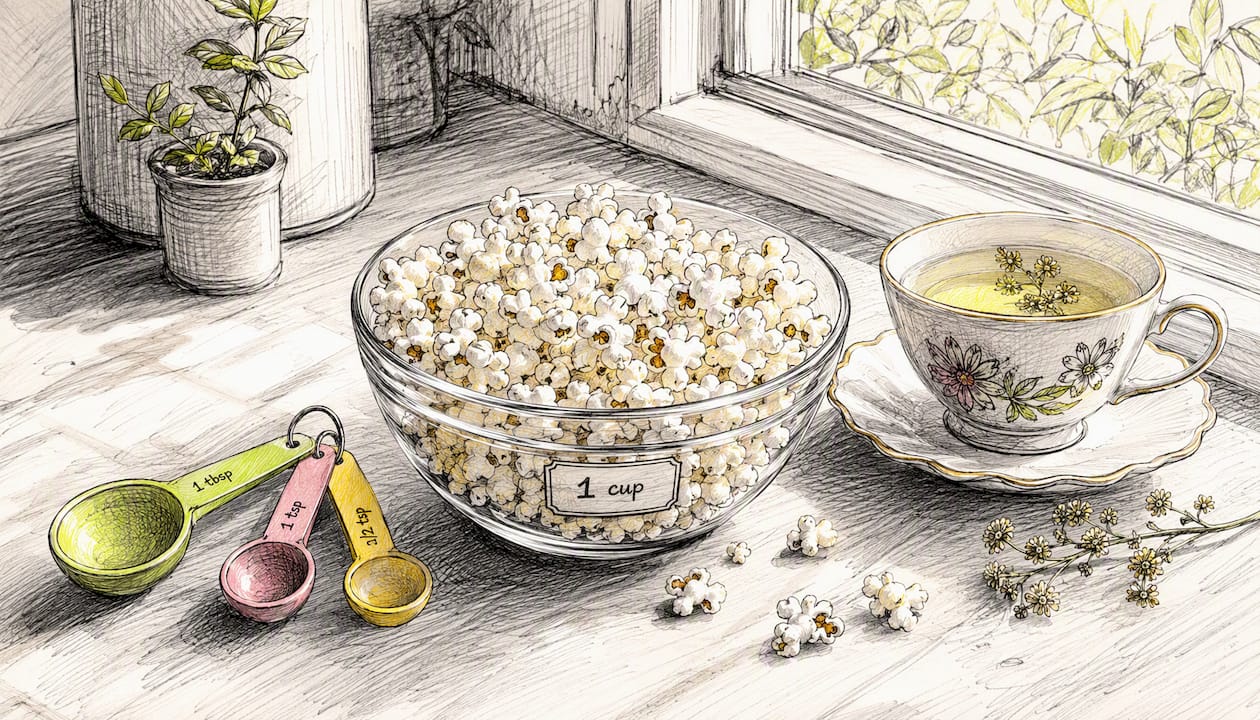
The USDA FoodData Central database also credits popcorn with small but real amounts of magnesium, phosphorus, iron, and zinc.
| Nutrient | Per 1 cup (~8g) | Per 1 oz |
|---|---|---|
| Calories | ~31 kcal | 31 calories |
| Carbohydrate | 6.2g | Higher, proportional |
| Fibre | 1.2g | ~4.1g |
| Protein | 1g | Higher, proportional |
That fibre figure is the one worth remembering. At just under 4.2 grams for one small handful-and-a-half serving, popcorn punches well above its calorie weight for a snack. Magnesium is also worth a mention, since pregnancy increases your needs and popcorn contributes a small but genuine amount toward the day’s total. Portion size is everything here: double the serving and you double the fibre, but you also double the calories, so weigh out a cup rather than eating straight from a large bowl if you want to keep track.
Why popcorn earns its place in a pregnancy diet
Fibre is the standout benefit, and it solves a problem a lot of pregnant people quietly struggle with. Constipation is common as pregnancy progresses, partly down to hormonal changes slowing digestion, and the fibre in whole-grain popcorn helps keep things moving. This is one of the clearer, more practical benefits highlighted by the Cleveland Clinic, which points to popcorn’s fibre content as a straightforward digestive aid.
Beyond digestion, a few other things make popcorn worth a spot in your snack rotation:
- Satiety without the calorie cost. Because popcorn is mostly air, a genuinely filling portion costs far fewer calories than an equivalent volume of crisps or biscuits, which matters if cravings are hitting hard but you’re trying to avoid empty calories.
- Polyphenol antioxidants. Whole grains like popcorn contain polyphenols, plant compounds linked to cellular protection, though the evidence connecting this specifically to pregnancy outcomes is still developing rather than settled.
- A relatively low glycaemic load. Plain popcorn doesn’t spike blood sugar the way refined snacks do, particularly when it’s air-popped and unsweetened.
- Whole-grain status. Research summarised in a peer-reviewed review on whole grains links whole-grain intake generally to better maternal health markers, though popcorn is just one source among many.
The blood sugar point deserves a bit more detail if gestational diabetes is on your radar. Popcorn’s glycaemic profile improves further when you pair it with a source of protein or healthy fat, something we’ll come back to in the next section. On its own, plain popcorn is a reasonable carbohydrate choice. Paired sensibly, it becomes a genuinely useful one.
It’s worth being honest about where the evidence is thinner. Much of what’s written about popcorn and pregnancy specifically draws on general nutrition research rather than pregnancy-specific trials, so treat the antioxidant and cellular-health claims as promising rather than proven.
How much popcorn is safe, and what should you pair it with?
A sensible serving sits around one to two cups of air-popped popcorn per snack, roughly the amount that fits in a cereal bowl without mounding over the top. That gives you meaningful fibre without tipping into excess calories or, for those managing gestational diabetes, an unmanageable carbohydrate load.
Pairing popcorn with something else on the plate changes how your body handles it:
- Add a small handful of nuts or seeds to slow digestion and add healthy fats.
- Pair with low-fat cheese or a spoonful of yoghurt for extra protein.
- If you’re watching blood sugar, count the carbohydrate portion as part of your snack allowance rather than an extra.
- Keep the serving to a measured cup rather than eating from the bag, which makes portion creep far too easy.
If gestational diabetes has been diagnosed, popcorn can still fit into your plan, but portion size and pairing become non-negotiable rather than optional extras. The Royal Free London’s diabetes-in-pregnancy guidance lists plain popcorn among suitable lower-calorie, lower-sugar snack options, though it should always sit within a plan agreed with your dietitian.
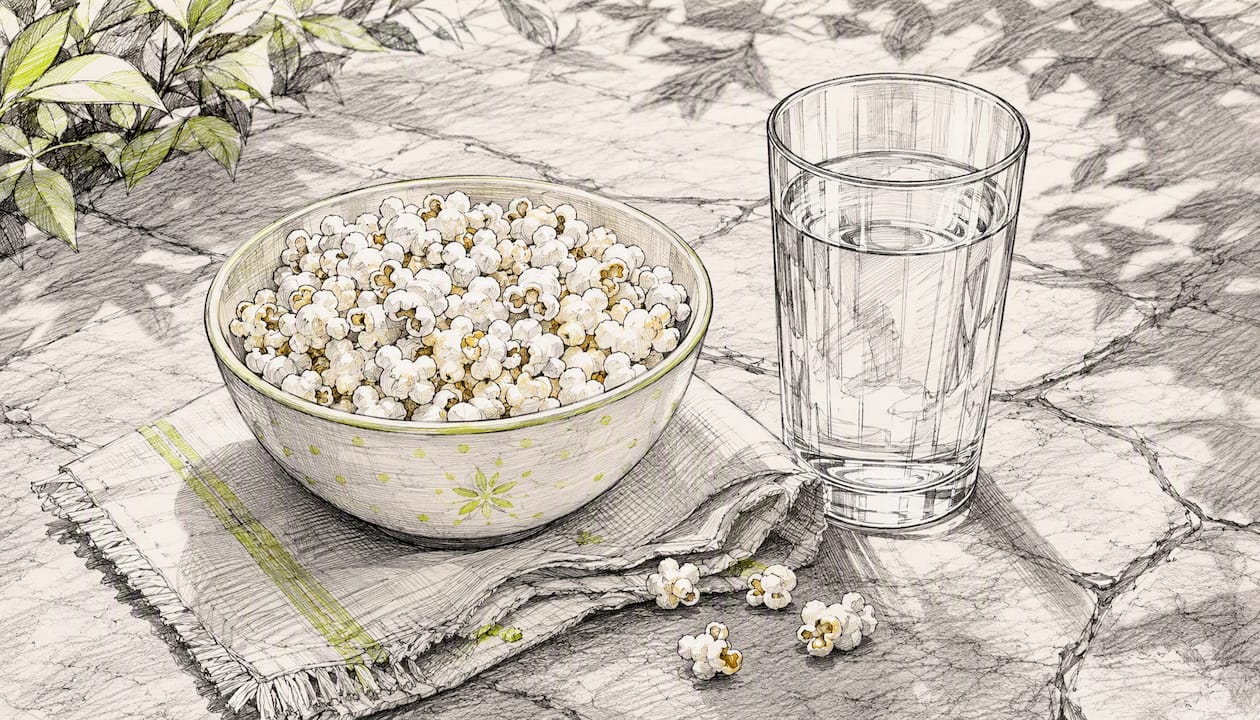
One more thing that’s easy to overlook: fibre needs fluid to do its job properly. Loading up on popcorn without drinking enough water can make constipation worse rather than better, so keep a glass nearby whenever popcorn is on the menu.
When popcorn becomes a problem in pregnancy
The popcorn itself isn’t usually the issue. What surrounds it often is. Cinema and microwave varieties are frequently loaded with saturated fat and sodium, and the American Heart Association has flagged just how far a butter-drenched bucket can drift from anything resembling a health food.
A few specific risks are worth knowing about:
- Heavily buttered or flavoured commercial popcorn, high in saturated fat, sodium, and sometimes artificial additives
- Sugar-coated varieties like caramel or toffee popcorn, which add unnecessary calories with little nutritional return
- Unpopped kernels, which pose a genuine choking hazard and can chip or crack a tooth
- Excess salt, which can worsen fluid retention and blood pressure concerns already common in pregnancy
Reaching for popcorn from a cinema counter and reaching for a bowl you’ve air-popped at home are two different snacking decisions, even though the base ingredient is identical.
If reflux or heartburn is already a problem, popcorn’s rough texture and fibre content can sometimes aggravate it, particularly late in the evening. Pay attention to how your body responds and scale back if symptoms worsen after eating it.
Contact your midwife or GP if you experience persistent vomiting after eating, any signs of an allergic reaction such as swelling or a rash, or a sudden change in your ability to chew or swallow comfortably. These are not popcorn-specific red flags so much as general pregnancy warning signs, but popcorn’s occasional association with choking on unpopped kernels makes it worth stating plainly here.
The best way to make popcorn in pregnancy
Air-popping is the simplest way to keep popcorn firmly in the “healthy snack” category. A stovetop pan with a teaspoon of unsaturated oil works nearly as well if you don’t own an air popper, and both methods give you complete control over what goes in, unlike anything pre-bagged.
Skip the salt shaker and reach for flavour elsewhere instead:
- A light dusting of nutritional yeast for a cheesy, savoury note
- Dried herbs like rosemary or oregano
- A scrape of lemon or lime zest for brightness
- A pinch of cinnamon if you want something sweeter without added sugar
For a deeper look at air-popping technique, our guide to explaining air-popped popcorn walks through the method step by step, and our sweet and savoury seasoning ideas are worth a look if plain popcorn feels a bit dull after the third bowl.
Pro Tip: Give the bowl a gentle shake after popping and let any unpopped kernels settle to the bottom before eating. It takes ten seconds and removes most of the choking and dental risk in one go.
Store leftover popcorn in an airtight container at room temperature, where it stays crisp for two to three days. Portion it into small bags in advance if you know cravings tend to strike at inconvenient moments, like on the commute or mid-afternoon at your desk.
What if popcorn isn’t for you?
If popcorn doesn’t agree with you, whether that’s texture, reflux, or simple preference, plenty of alternatives deliver similar benefits.
- Plain boiled or roasted chickpeas for fibre and plant protein
- Plain yoghurt with berries for calcium, protein, and antioxidants
- Whole-grain crackers with nut butter for sustained energy
- Vegetable sticks with hummus for fibre with minimal preparation
Most of these travel just as well as popcorn does, and our snack alternatives guide covers a few more options if you want variety through the week.
A pregnancy snack that earns its reputation, in moderation
Popcorn has become something of a wellness cliché, and I’ll admit some of that reputation is deserved. It’s genuinely one of the more useful whole-grain snacks you can reach for, provided it stays plain and the portion stays sensible. What I’d push back on is treating it as a health food that can do no wrong. It’s a snack, not a supplement, and it works best as one part of a varied pregnancy diet rather than a daily default. If you have gestational diabetes, reflux, or any condition that changes how your body handles fibre or carbohydrate, talk to your midwife or dietitian before making it a habit.
Where PopCornaa fits into a healthier snack routine
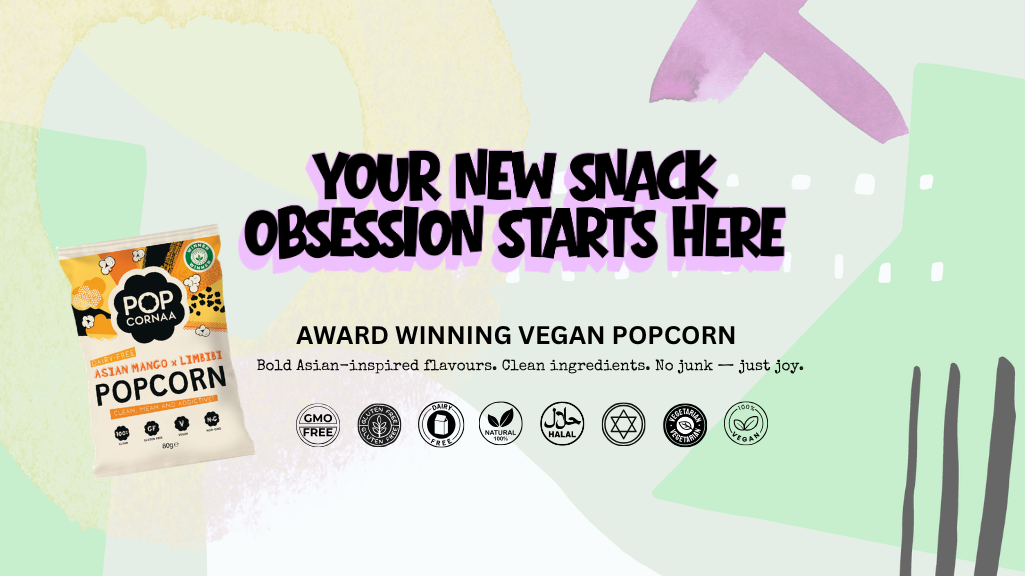
If air-popped popcorn has earned a spot on your shopping list, the next decision is which version actually lands in your bowl. PopCornaa makes that easier by doing the preparation work for you: gourmet vegan popcorn made without the heavy butter and excess salt that turn a whole grain into a dietary afterthought.
[ ](https://www.popcornaa.com › pages › asian-fusion-taster-box)
The range spans everything from Asian-inspired flavours to British classics, all built around plant-based ingredients rather than the saturated fat loading found in cinema tubs. PopCornaa’s approach has also picked up recognition through the Great Taste Awards, which says something about flavour without sacrificing the qualities that make popcorn worth eating in the first place. If you’re building a pregnancy-friendly snack drawer, browse the current flavour collections and pick a couple to try this week.
Sources
The guidance in this article draws on established nutrition and maternal health sources, including the NHS’s pregnancy nutrition guidance, the Cleveland Clinic’s breakdown of popcorn’s health benefits, and Medical News Today’s nutrition analysis. Precise nutrient figures come from USDA FoodData Central, and gestational diabetes portion guidance is drawn from the Royal Free London’s patient resources.
Always check with your midwife or dietitian for advice specific to your pregnancy. For broader snack inspiration beyond popcorn, this Ottawa Parent guide to healthy snacks is a useful read, and our own guide to healthy snacking with popcorn goes further into ingredient choices.
This article is general information, not a substitute for advice from a qualified doctor. Consult a qualified healthcare professional about your own circumstances before acting on anything here.
- Popcorn benefits — Cleveland Clinic Health Essentials
- Snack options for those with diabetes in pregnancy - Royal Free London
- Eating well for a healthy pregnancy — Just One Norfolk (NHS local resource)
FAQ
Is it safe to eat popcorn while pregnant?
Yes, plain, air-popped popcorn is safe for most pregnant people in reasonable portions, though heavily salted, buttered, or sugar-coated versions should be limited.
What snacks are best for pregnancy?
Nutrient-dense, minimally processed options work best, including plain popcorn, chickpeas, yoghurt with fruit, and vegetable sticks with hummus, each offering fibre or protein without excess sugar or saturated fat.
What are the health benefits of popcorn?
Popcorn offers whole-grain fibre that supports digestion, a low glycaemic load that helps with blood sugar stability, polyphenol antioxidants, and satiety at a relatively low calorie cost.
Is popcorn a junk food or a healthy food?
It depends entirely on preparation. Air-popped and plain, popcorn is a genuine whole-grain health food; buttered, salted, or sugar-coated commercial versions push it firmly into junk food territory.
Can popcorn help with pregnancy constipation?
Yes, popcorn’s fibre content, around 4.1g per ounce, can help support regular bowel movements, though it works best alongside adequate water intake.