
Air-popped popcorn: what it is and how to make it
Air-popped popcorn is popcorn made by heating kernels with hot air rather than oil, producing a low-fat, high-fibre snack that is naturally light and satisfying. For health-conscious home cooks, that distinction matters practically: a typical tablespoon of kernels pops in a few minutes and yields a few cups of popcorn, with no added fat unless you choose to season it afterwards.
Key takeaways
Air-popped popcorn is one of the most fibre-rich, low-fat snacks you can make at home, and the preparation method is the single biggest factor in keeping it that way.
| Point | Details |
|---|---|
| What air-popped means | Kernels are heated by hot air, not oil, producing a low-fat snack with no added cooking fat. |
| Nutrition per serving | A 28 g serving contains around 108 kcal, 4 g of fibre, and just 1.1 g of fat. |
| Best home methods | A hot-air popper is simplest; a plain paper-bag microwave method or stovetop with minimal oil both work well. |
| Toppings are the variable | Plain air-popped popcorn is genuinely healthy; butter, salt, and flavoured coatings are what change that. |
| Popcornaa option | Popcornaa offers ready-made vegan gourmet popcorn in the UK for when you want convenience without compromise. |
What ‘air-popped’ actually means, and the science behind it
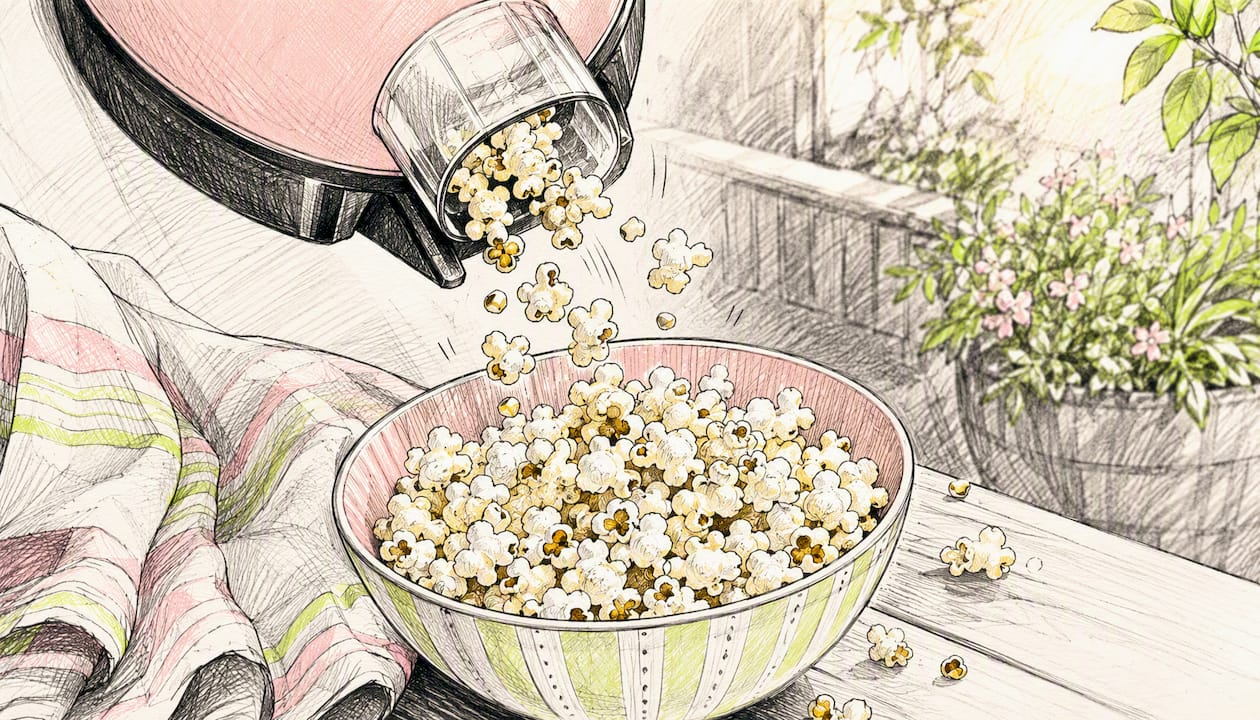
Every popcorn kernel contains a small amount of water locked inside its starchy centre, surrounded by a hard outer shell called the pericarp. When heat reaches that water, it turns to steam. Pressure builds until the pericarp can no longer contain it, and the kernel explodes outward, turning inside out into the fluffy piece you eat.
In an oil-popping method, hot oil conducts heat to the kernel surface quickly and evenly. Air-popping replaces that oil with a fast-moving stream of hot air, typically from a dedicated air-popping machine that circulates heat at around 200°C. The result is a cleaner, lighter texture and, crucially, no added fat from the cooking medium itself. Air-popping machines became widely available to home cooks in the late 1970s, and they cut the fat content of home-popped popcorn considerably compared with the oil-on-the-hob method that preceded them.
Plain air-popped popcorn is made by exposing kernels to hot air until the moisture inside turns to steam and the kernel pops — no oil or butter required, and no added fat unless you choose to season it afterwards. BBC Good Food describes it as low in fat and high in fibre, with toppings being the main factor that makes the snack less healthy.
Is microwave popcorn the same as air-popped? Not quite. Standard microwave bags contain oil and often salt or flavouring already coated on the kernels. The microwave heats the bag’s contents, but the oil is still doing part of the cooking. A plain paper-bag microwave method (kernels only, no oil) comes close to true air-popping, but most shop-bought microwave bags are not air-popped in the strict sense.
| Method | Fat added | Texture | Flavour control |
|---|---|---|---|
| Air popper (machine) | None | Light, crisp | Full — you season from scratch |
| Oil-popped (stovetop) | Yes (oil) | Denser, richer | Moderate |
| Microwave bag (shop-bought) | Usually yes | Variable | Limited by pre-added flavourings |
| Microwave paper-bag (plain kernels) | None | Similar to air-popped | Full |
Nutrition facts and health benefits worth knowing
Plain air-popped popcorn is a wholegrain snack. USDA FoodData Central lists the following values for a 28 g (1 oz) serving, which is roughly three cups of air-popped popcorn:
| Nutrient | Per 28 g (approx. 3 cups) |
|---|---|
| Calories | 108 kcal |
| Total fat | 1.1 g |
| Carbohydrate | 21 g |
| Dietary fibre | 4 g |
| Protein | 3.6 grams |
| Sodium | 1 mg |
That fibre figure is genuinely useful. Four grams of fibre per serving contributes meaningfully toward the UK’s recommended 30 g daily intake, and the wholegrain status means you are getting the bran and germ alongside the starchy endosperm. Healthline identifies pot or air-popper methods as the healthiest home preparations, noting that unsalted, unsweetened air-popped popcorn is low in calories and high in fibre.
Where things go wrong is the topping. Butter, coconut oil, or a heavy salt coating can push a three-cup serving from around 108 kcal to well over 200 kcal, and the American Heart Association consistently flags heavily flavoured ready-made types and buttered microwave bags as the versions to limit.
Pro Tip: Mist a light spray of olive oil over your popped corn before adding dry seasonings. You use a fraction of the fat compared with drizzling, and the seasoning sticks far more evenly.
For readers thinking about popcorn and weight management, Medical News Today notes that plain air-popped popcorn can support satiety and weight control when prepared without high-fat or high-salt toppings, partly because its volume-to-calorie ratio is high — you get a large bowlful for relatively few calories.
Three easy methods to make air-popped popcorn at home
Method 1: hot-air popper machine
This is the most straightforward route. Most UK-available machines pop a batch of kernels within a few minutes.
- Measure 3–4 tablespoons of kernels into the machine’s chamber.
- Place a large bowl under the chute.
- Switch on and wait. Popping slows to one pop every few seconds when it is done — switch off promptly.
- Season immediately while warm.
Yield: roughly 10–12 cups from 60 g of kernels.
Method 2: microwave paper-bag method
No machine needed. This BBC CBBC-approved approach works well for households and children (with adult supervision for the hot bag).
- Place 3 tablespoons of plain kernels into a standard brown paper bag.
- Fold the top over twice to seal loosely — leave room for expansion.
- Microwave on full power for 2–3 minutes. Stop when popping slows to one pop every two seconds.
- Open the bag carefully, away from your face — steam escapes fast.
Yield: roughly 6–8 cups. Timing varies by microwave wattage, so check at the two-minute mark.
Method 3: stovetop minimal-oil method
For readers without a machine or a microwave, a heavy-based pan works well. The key is using just enough oil to coat the pan base, not to fry the kernels.
- Heat a large, heavy-based pan over medium heat for one minute.
- Add half a teaspoon of neutral oil (rapeseed works well) and swirl to coat.
- Add 3 tablespoons of kernels and cover with a tight-fitting lid.
- Shake the pan gently every 20–30 seconds to prevent burning.
- Remove from heat when popping slows significantly. Rest for 30 seconds before lifting the lid.
Yield: roughly 7–9 cups. The tight lid traps steam inside each kernel and mimics the interior conditions a hot-air popper achieves.
Pro Tip: For the stovetop method, preheat the pan briefly before adding oil. A properly hot pan means kernels start popping faster, which reduces the time they sit in contact with heat and lowers the risk of burning.
Troubleshooting common problems:
- Many un-popped kernels: kernels are likely too dry or too old. Store kernels in an airtight jar and use within a reasonable timeframe after purchase.
- Burnt popcorn: heat is too high or you waited too long. Remove the pan or switch off the machine the moment popping slows.
- Soggy popcorn: the bowl was covered while the popcorn was still warm, trapping steam. Always let it cool uncovered for a minute before serving.
Which equipment and kernels should you buy in the UK?
A dedicated hot-air popper is the simplest investment if you make popcorn regularly. Look for:
- A capacity of at least 80 g of kernels per batch (enough for two to three people).
- A wattage of 1,200 W or above for faster, more even popping.
- A removable butter dish or chute cover that is dishwasher-safe.
If you would rather not buy a machine, the paper-bag microwave method or the stovetop approach both work reliably. For kernels, yellow popcorn kernels are the most widely available and give a classic fluffy result. White kernels pop slightly smaller and more tender — worth trying if you find yellow varieties a little tough.
Where to buy kernels in the UK:
- Major supermarkets (Tesco, Sainsbury’s, Waitrose, ASDA) stock plain popcorn kernels in the snack or baking aisle, typically in 500 g bags.
- Holland & Barrett carries organic varieties.
- Amazon UK and specialist food retailers offer larger 1–2 kg bags, which work out cheaper per serving.
Pro Tip: Kernel freshness matters: older kernels lose moisture and leave more un-popped pieces behind. Once opened, decant kernels into an airtight glass jar and store away from heat and light.
Healthy flavouring ideas that keep calories low
The beauty of air-popped plain popcorn is that it is a genuinely neutral base. You can take it in almost any direction without adding much fat or sugar.
Low-calorie flavour ideas that work well:
- Smoked paprika and a pinch of garlic powder for a savoury, smoky hit.
- Nutritional yeast for a cheesy, umami flavour with added B vitamins.
- Cinnamon and a tiny drizzle of maple syrup for a lightly sweet version.
- Citrus zest (lemon or lime) with a pinch of sea salt for brightness.
- Dried herbs such as rosemary or thyme, crushed finely so they cling.
For vegan seasoning ideas and gourmet combinations, the range of plant-based options is wider than most people expect.
Pro Tip: To make dry seasonings stick without oil, lightly mist the warm popcorn with water from a spray bottle, then toss immediately with your chosen spices. The moisture evaporates quickly and leaves the seasoning bonded to the surface.
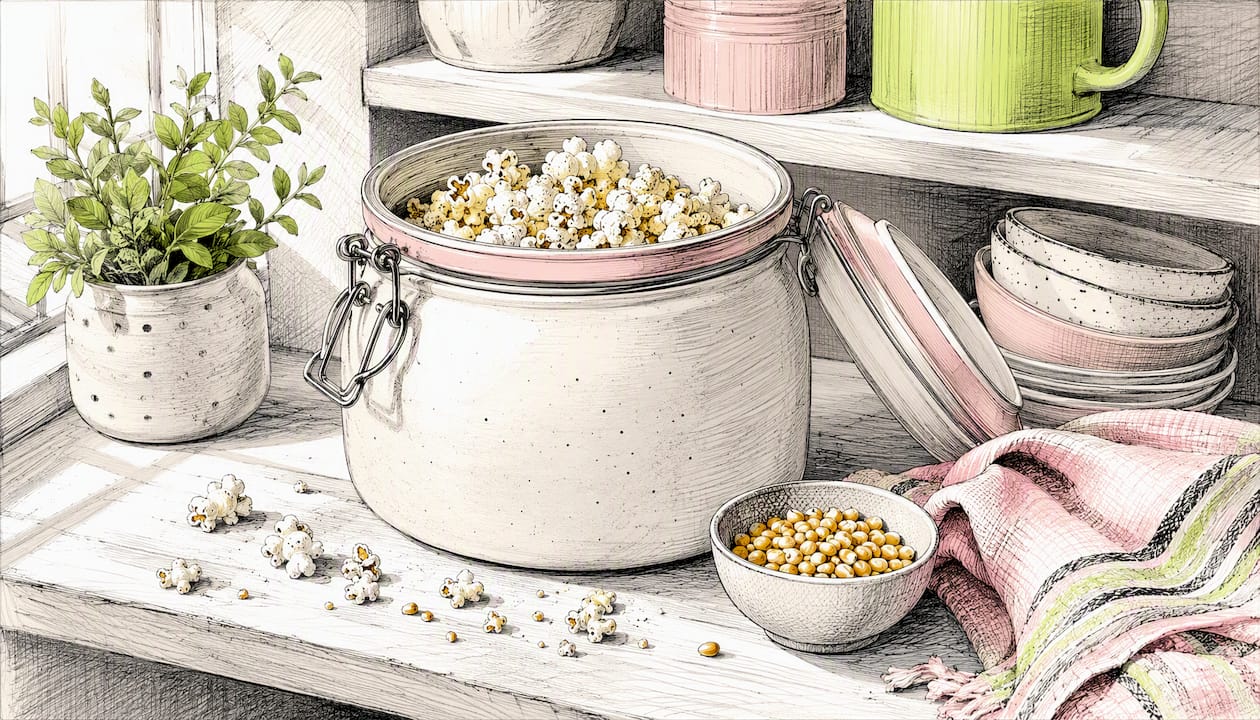
Storage: popped popcorn stays crisp for two to three days in an airtight container at room temperature. Unpopped kernels keep well for up to a year in a sealed jar in a cool, dry cupboard.
Safety, choking and allergy notes
Popcorn is a genuine choking hazard for young children. The NHS and paediatric guidance consistently advise against giving whole popcorn to children under five years old, as the irregular shape and light texture make it difficult to chew safely. For older children, serve in small portions and supervise.
When using a hot-air popper or microwave:
- The chute and bowl become very hot during and after use. Keep children away from the machine while it is running.
- Steam from a microwave paper bag escapes rapidly when opened. Always open the bag away from your face and hands, and let it rest for 30 seconds before tipping out.
- The stovetop pan lid retains heat. Use oven gloves when lifting it.
For allergy considerations:
- Plain kernels are naturally free from the 14 major allergens listed under UK food law, but cross-contamination during manufacturing is possible. Check the label on pre-packed kernels if you are managing a nut or gluten allergy.
- Flavoured or ready-made popcorn may contain milk, soy, or nut-based ingredients. Always read the label before serving to someone with a known allergy.
What nutrition science says about popcorn as a snack
The evidence base for plain air-popped popcorn as a healthy snack is consistent across major nutrition authorities. BBC Good Food notes that popcorn’s poor reputation mostly comes from toppings, and that plain air-popped versions are a high-fibre wholegrain that supports satiety.
Research indexed on PubMed Central on whole-grain intake and health outcomes provides broader context: diets higher in whole grains are associated with a range of positive health outcomes, and popcorn, as a 100% wholegrain food, fits within that pattern when eaten plain.
“Popcorn is a wholegrain food, and as such it contains fibre, B vitamins and minerals. Eaten plain, it is a low-calorie, high-volume snack that can help with feelings of fullness.” Paraphrased from Medical News Today.
Practical takeaways from the evidence:
- A three-cup serving of plain air-popped popcorn contains around 4 g of fibre, contributing meaningfully to the UK’s recommended 30 g daily target.
- The healthiest home preparations are pot or air-popper methods, both of which avoid added fat in the cooking process.
- Portion size and toppings remain the two variables most likely to shift popcorn from a genuinely healthy snack to a less healthy one.
For a deeper look at why popcorn is considered a healthy snack, the evidence is more nuanced than the simple “popcorn is healthy” headline suggests.
A note from Emily
Air-popped popcorn stopped me in my tracks the first time I really looked at the nutrition label. I had assumed popcorn was popcorn, more or less, until I started comparing plain air-popped with the buttered microwave bags I had been buying out of habit. The difference in fat and calories was genuinely surprising, and the fibre content made it feel like a snack I could actually feel good about. Working with Popcornaa has deepened that curiosity — understanding what goes into a kernel, and how much the preparation method changes the outcome, is something I find myself thinking about every time I reach for a snack.
Ready-made healthier popcorn from Popcornaa
[ ](https://www.popcornaa.com › pages › asian-fusion-taster-box)
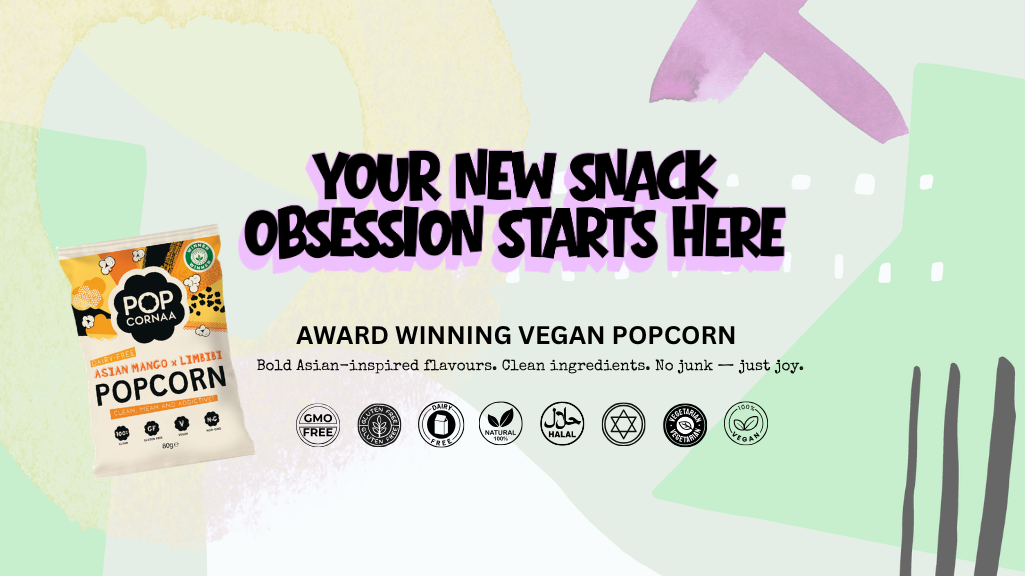
Making your own air-popped popcorn at home is genuinely satisfying, and the nutrition case for it is solid. But there are days when you want something ready to eat, beautifully flavoured, and thoughtfully made. That is where Popcornaa comes in. Popcornaa is a UK-based gourmet vegan popcorn brand offering curated flavour collections, themed gift boxes, and sharing buckets — all made without compromising on the kind of ingredient quality that health-conscious snack lovers care about. Whether you are looking for an everyday treat, a healthier snack alternative to reach for, or a gift that feels genuinely considered, browse the full range at Popcornaa and find a flavour that fits.
Sources
FAQ
What is considered air-popped popcorn?
Air-popped popcorn is popcorn made by heating kernels with hot circulating air rather than oil, producing a low-fat snack with no added cooking fat. Any method that pops kernels using heat alone, without oil in the cooking process, qualifies.
How do you air-pop popcorn at home?
The simplest method is a hot-air popper machine: add 3–4 tablespoons of kernels, switch on, and collect the popped corn in a bowl in two to three minutes. A plain paper bag in the microwave (kernels only, folded shut, two to three minutes on full power) is a reliable alternative without any equipment.
Is microwave popcorn the same as air-popped?
Shop-bought microwave bags are not air-popped; they contain oil and often pre-added salt or flavouring. A plain paper-bag microwave method using only kernels comes close to true air-popping, but standard microwave bags are a different product.
Where can I buy popcorn kernels in the UK?
Plain popcorn kernels are available in most major UK supermarkets including Tesco, Sainsbury’s, Waitrose, and ASDA, typically in the snack or baking aisle. Holland & Barrett stocks organic varieties, and larger bags are available online through Amazon UK and specialist food retailers.
Is air-popped popcorn healthy?
The main caution, as BBC Good Food notes, is that toppings such as butter and salt are what typically make popcorn less healthy.