

Why choose non-dairy popcorn: benefits and flavours
TL;DR:
- Non-dairy popcorn is a nutritious snack made without dairy ingredients, offering high fiber and essential minerals. It retains health benefits while eliminating saturated fats and cholesterol from dairy toppings, especially when air-popped and seasoned with plant-based oils and seasonings. Careful label reading and homemade preparation ensure a safe, flavorful, and genuinely dairy-free popcorn experience.
Non-dairy popcorn is popcorn made entirely without butter, milk, cream, or any other dairy ingredient, and it is one of the most nutritious whole-grain snacks available. If you are exploring dairy-free snacks for health reasons, allergy management, or simply better flavour control, non-dairy popcorn deserves a proper look. The benefits of non-dairy popcorn go well beyond avoiding lactose. From gut-friendly fibre to plant-based fats rich in antioxidants, this snack punches well above its weight nutritionally. Popcornaa has built its entire range around this principle, crafting vegan popcorn that proves dairy-free does not mean flavour-free.
Why choose non-dairy popcorn for better nutrition?
Air-popped, non-dairy popcorn is a genuinely nutrient-dense food. Per 100 grams, air-popped popcorn delivers 14.5g of fibre, 34% of the daily value for magnesium, and 28% of the daily value for zinc. Those numbers matter because magnesium supports muscle repair and zinc underpins immune function, two things most snacks do nothing to help.
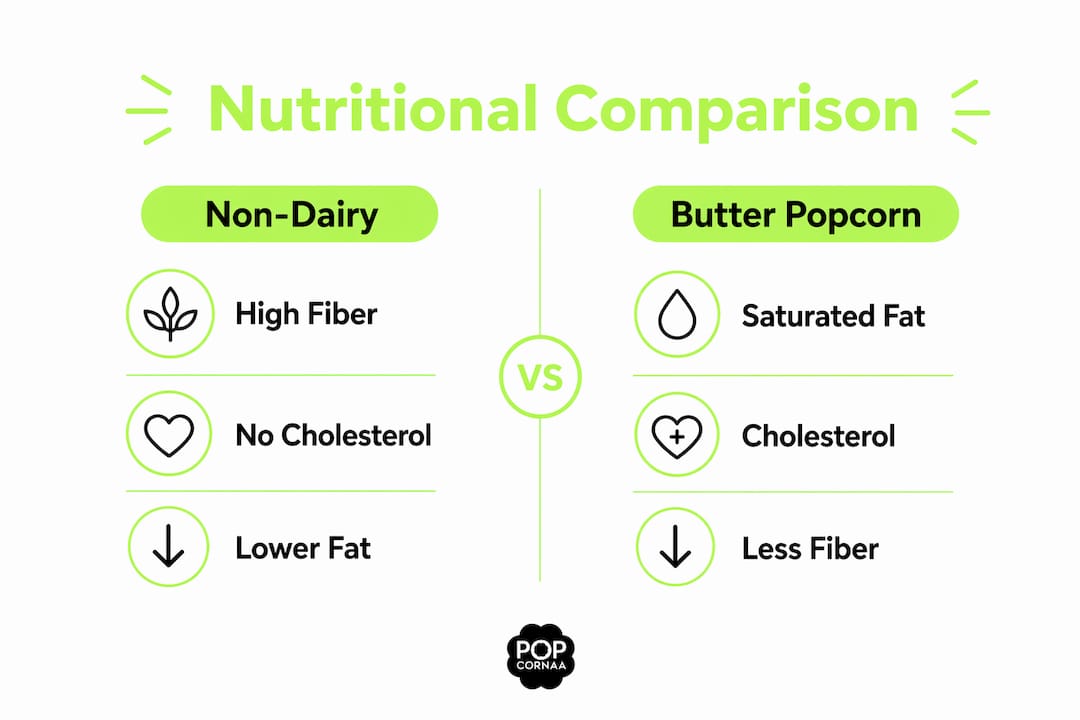
Traditional buttered popcorn adds saturated fat and dairy-sourced cholesterol on top of those kernels. Removing dairy eliminates both without sacrificing the whole-grain base. Lightly seasoned, air-popped popcorn is the best choice for weight management and digestive health, precisely because it keeps the fibre intact while cutting the calorie-dense additions.
The table below shows how the nutrient profile shifts when you swap butter for a plant-based alternative.
| Nutrient | Air-popped, non-dairy (per 100g) | Buttered popcorn (per 100g, approx.) |
|---|---|---|
| Dietary fibre | 14.5g | 10g |
| Saturated fat | Low | Higher |
| Magnesium (% DV) | 34% | Lower |
| Zinc (% DV) | 28% | Lower |
| Dairy cholesterol | None | Present |
The gap is clear. Non-dairy popcorn retains the whole-grain benefits while removing the nutritional downsides that come with dairy-based toppings.
Pro Tip: Choose air-popped kernels as your base whenever possible. You get the full fibre and mineral content before any seasoning is added, giving you complete control over what goes on top.
How do plant-based oils and seasonings improve flavour?
The flavour of non-dairy popcorn depends entirely on the fat and seasoning you choose. Olive oil, avocado oil, and coconut oil are the most popular dairy-free options, and each brings a distinct character to the finished snack. Avocado oil is mild and buttery in taste. Coconut oil adds a faint sweetness. Olive oil gives a savoury, slightly grassy depth.
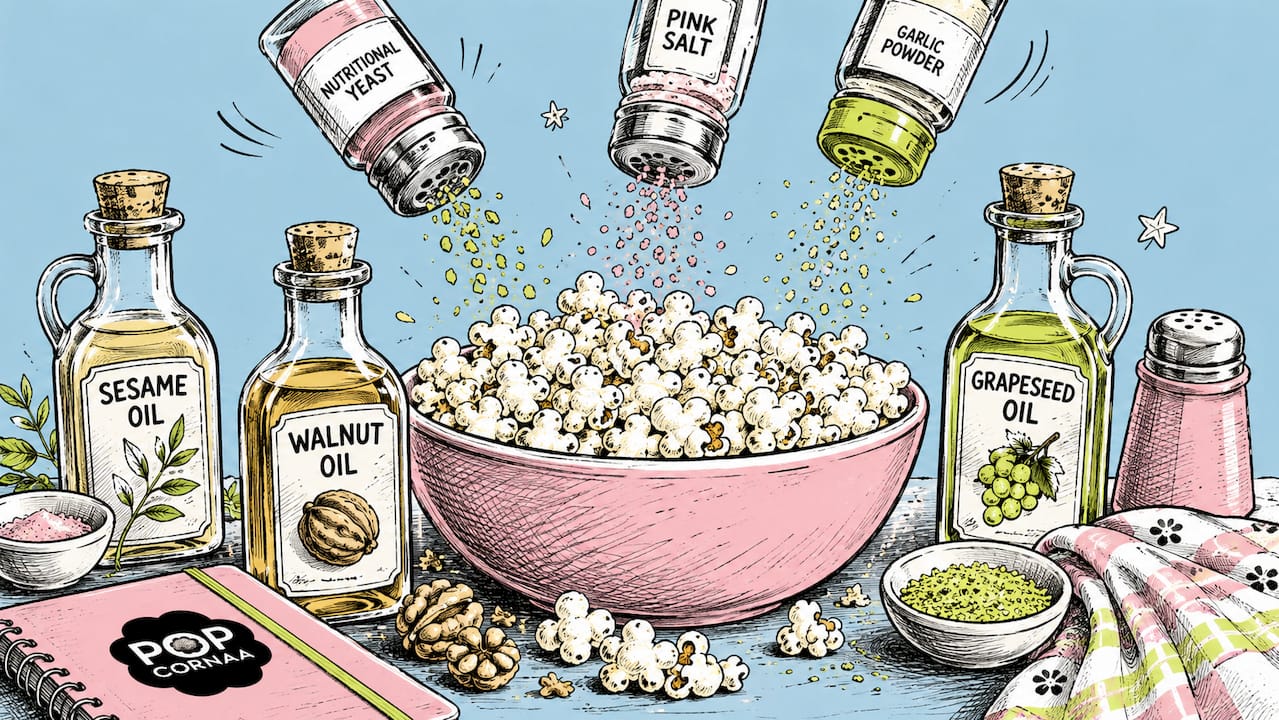
Beyond the oil, nutritional yeast is the single most useful seasoning in a dairy-free kitchen. It delivers a savoury, cheesy, umami-rich flavour that many people find more satisfying than butter. It is also naturally rich in B vitamins, which makes it a genuinely useful addition rather than just a flavour trick.
Here is a quick guide to the most effective dairy-free oils and seasonings:
- Coconut oil: Subtle sweetness, works well with cinnamon or chilli flakes
- Avocado oil: Mild, buttery taste, ideal for savoury blends and spice rubs
- Olive oil: Earthy and savoury, pairs well with smoked paprika or garlic powder
- Nutritional yeast: Cheesy, umami flavour, adds B vitamins without any dairy
- Smoked paprika: Deep, smoky warmth with no additives or dairy risk
- Tamari or coconut aminos: Salty, rich seasoning with an Asian-inspired edge
Avoiding commercial microwave popcorn is worth the effort. Many microwave varieties contain artificial flavours, preservatives, and hidden dairy derivatives that undermine the health benefits you are trying to gain. Making your own gives you full visibility over every ingredient.
Pro Tip: High smoke point oils like coconut oil and avocado oil are the best choices for stovetop popping. They handle the heat without breaking down or producing off-flavours, which means better taste and better nutrition in every batch.
How do you prepare non-dairy popcorn at home?
Making non-dairy popcorn at home is straightforward, and it gives you complete control over ingredients and allergen safety. There are three main methods: stovetop, air-popper, and microwave using a plain paper bag. Each has its own trade-offs between convenience and health.
Stovetop method: step by step
- Add one tablespoon of coconut or avocado oil to a heavy-bottomed pan over medium heat.
- Drop in two or three test kernels and cover the pan.
- Once the test kernels pop, add 80g of popping corn in a single layer.
- Cover and shake the pan gently every 30 seconds.
- Remove from heat when popping slows to one pop every two seconds.
- Transfer to a bowl immediately to prevent burning.
- Season with nutritional yeast, smoked paprika, or your chosen dairy-free blend.
The table below compares the three preparation methods across health and convenience.
| Method | Health rating | Convenience | Dairy-free control |
|---|---|---|---|
| Stovetop | Excellent | Moderate | Full |
| Air-popper | Excellent | High | Full |
| Microwave (plain bag) | Good | High | High |
| Commercial microwave bags | Variable | Very high | Low |
Homemade non-dairy popcorn avoids the hidden additives and dairy derivatives found in many commercial microwave variants. That control is the single biggest advantage of preparing it yourself.
Label reading is non-negotiable if you buy pre-made popcorn. Dairy can appear as whey, casein, milk solids, or lactose on ingredient lists. Cross-contamination is also a real risk at cinemas. Cinema popcorn may be popped in coconut oil, which satisfies vegan requirements, but synthetic butter toppings added afterwards often contain dairy derivatives. Asking for plain, unseasoned popcorn is the safest approach in that setting.
You can find a detailed step-by-step vegan popcorn guide on the Popcornaa blog if you want to go deeper on technique and seasoning combinations.
What are the common misconceptions about dairy-free popcorn?
The biggest myth about non-dairy popcorn is that it lacks flavour or feels like a compromise. That simply is not true. Nutritional yeast, smoked spices, and quality plant-based oils create a flavour profile that is genuinely satisfying, not a pale imitation of buttered popcorn.
A second misconception is that all plain-looking popcorn is automatically dairy-free. A recent reformulation added skim milk to a microwave popcorn brand previously considered vegan, which caught many shoppers off guard. Manufacturers change recipes without fanfare, and the only reliable protection is checking the label every time you buy.
Here is how to verify that a popcorn product is genuinely dairy-free:
- Check the allergen declaration for milk, not just the ingredient list
- Look for “may contain milk” cross-contamination warnings if you have a severe allergy
- Seek out products with certified vegan logos from recognised bodies
- Avoid products with vague terms like “natural flavouring” without further clarification
- Confirm the production facility does not handle dairy if you have a serious intolerance
The plant-based snack market is growing steadily, and that growth is driving better labelling and more genuinely dairy-free options across the board. Health-conscious snackers now have more choice than ever, but that also means more products to scrutinise. Staying informed is the most practical thing you can do.
The difference between vegan and dairy popcorn goes deeper than most people realise, and understanding it helps you make better choices at the shelf.
Key takeaways
Non-dairy popcorn is the healthier, more inclusive choice because it retains whole-grain fibre and minerals while eliminating dairy-sourced saturated fat, cholesterol, and allergen risk.
| Point | Details |
|---|---|
| Nutritional superiority | Air-popped non-dairy popcorn delivers 14.5g fibre and key minerals per 100g, with no dairy cholesterol. |
| Better fat profile | Plant-based oils like avocado and coconut oil replace saturated dairy fat with healthier, antioxidant-rich alternatives. |
| Label vigilance | Manufacturers reformulate without warning, so checking allergen declarations every purchase is necessary. |
| Cinema caution | Synthetic butter toppings at cinemas often contain dairy; always request plain, unseasoned popcorn. |
| Home preparation wins | Making popcorn at home with high smoke point oils gives full control over ingredients and allergen safety. |
My honest view on choosing non-dairy popcorn
I came to non-dairy popcorn through necessity, not trend-chasing. When I started looking closely at what was actually in the snacks I was handing to my children, the ingredient lists on commercial microwave popcorn genuinely stopped me in my tracks. Whey powder, artificial butter flavouring, milk solids. None of it needed to be there.
What surprised me most was how much better the flavour became once I removed dairy from the equation. Nutritional yeast with smoked paprika and avocado oil is not a consolation prize. It is a genuinely better snack. The umami depth you get from nutritional yeast is something butter simply cannot replicate.
The thing I want health-conscious snackers to understand is this: choosing dairy-free popcorn is not about restriction. It is about paying attention to what you eat and realising that the most satisfying version of a snack is often the one with the fewest unnecessary ingredients. The nutritional and flavour differences between non-dairy and traditional popcorn are real, and once you experience them, going back feels like a step backwards.
The plant-based snack space is maturing fast. Artisan producers are now creating dairy-free flavours with genuine complexity, drawing on global spice traditions that butter-based popcorn never could. That wave of curiosity and creativity is exactly where the most exciting snacking happens.
— Emily
Popcornaa’s dairy-free gourmet popcorn range
Popcornaa crafts every product without dairy, using plant-based seasonings and artisan flavour blends inspired by Asian and British culinary traditions.
[ ](https://www.popcornaa.com › pages › asian-fusion-taster-box)
If you are new to dairy-free gourmet popcorn, the Newbie Asian Fusion Taster Box is the ideal starting point. It brings together five distinct vegan popcorn flavours in one curated selection, giving you a genuine sense of what plant-based seasoning can achieve. Every bag is certified vegan, free from artificial dairy derivatives, and made with the kind of ingredient transparency that health-conscious snackers deserve. For healthy movie night snacks that do not compromise on taste or values, Popcornaa is the place to start.
FAQ
What makes popcorn non-dairy?
Non-dairy popcorn contains no butter, milk, cream, whey, casein, or any other dairy-derived ingredient. It uses plant-based oils and seasonings instead.
Is non-dairy popcorn healthy?
Air-popped non-dairy popcorn is a nutrient-dense whole grain with 14.5g of fibre per 100g and meaningful levels of magnesium and zinc. It is one of the healthiest snack options available when kept lightly seasoned.
Can I trust cinema popcorn to be dairy-free?
Not automatically. Synthetic butter toppings added after popping often contain dairy derivatives, even when the popcorn itself is cooked in coconut oil. Always ask for plain, unseasoned popcorn.
Does non-dairy popcorn taste as good as buttered popcorn?
Yes, and often better. Nutritional yeast delivers a rich, cheesy umami flavour, while oils like avocado and coconut oil add depth and character that dairy butter cannot replicate.
How do I avoid hidden dairy in shop-bought popcorn?
Check the allergen declaration for milk specifically, look for certified vegan logos, and be aware that manufacturers reformulate recipes without notice. Re-checking labels on familiar products is always worth doing.